

2x6 faux fur rug Performance Analysis
Introduction
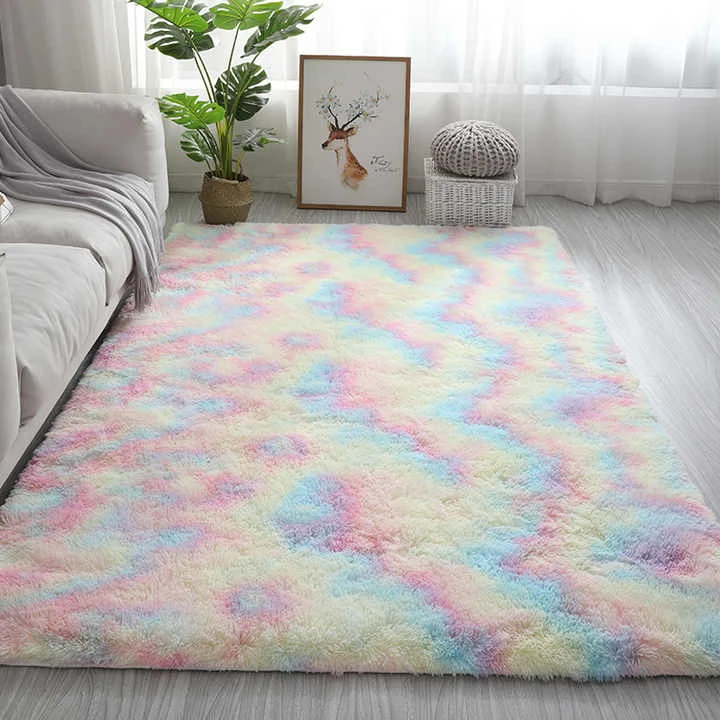
The 2x6 faux fur rug represents a significant segment within the broader decorative textiles market, serving as a cost-effective and aesthetically versatile alternative to genuine fur. Its technical position in the value chain resides between the raw material suppliers of synthetic fibers (typically acrylics and modacrylics) and the consumer retail sector. Core performance characteristics are defined by pile height, density, fiber composition, backing material, and overall durability. Unlike natural fur, faux fur offers consistent fiber length, color, and hypoallergenic properties, making it attractive for diverse applications ranging from residential décor to photographic props. A critical pain point for manufacturers and retailers lies in balancing perceived luxury with cost-effectiveness, maintaining dimensional stability during use and cleaning, and addressing concerns regarding shedding and flammability. This guide provides a comprehensive technical overview of the 2x6 faux fur rug, addressing material science, manufacturing processes, performance metrics, failure modes, and relevant industry standards.
Material Science & Manufacturing
The foundational material for 2x6 faux fur rugs is predominantly acrylic fiber, often blended with modacrylic for enhanced texture and resilience. Acrylic fibers (polyacrylonitrile) are chosen for their wool-like feel, relatively low cost, and ability to be dyed in a wide range of colors. Modacrylic fibers contribute to improved flame retardancy and resistance to pilling. The manufacturing process begins with the polymerization of acrylonitrile monomers. Following polymerization, the acrylic is spun into fibers, typically using a dry spinning process, where the polymer solution is extruded through spinnerets into a heated chamber, solidifying the fibers. Pile fiber denier (fineness) typically ranges from 2 to 10 denier, affecting the softness and drape of the rug. The backing material is typically polypropylene or jute, providing structural support. The critical parameter control lies in maintaining consistent fiber denier, ensuring uniform dye uptake, and controlling the pile density during the tufting process. Tufting involves inserting loops of fiber through a primary backing material using needles. These loops are then sheared to create the desired pile height (typically ranging from 0.5 to 2 inches) and density. The rug is then coated with a latex adhesive to secure the fibers to the backing, followed by a secondary backing layer for added stability and durability. Chemical compatibility of the dye and backing materials is paramount to prevent discoloration or degradation. Proper curing of the latex adhesive is essential to avoid fiber pull-out.

Performance & Engineering
Performance of a 2x6 faux fur rug is dictated by several engineering considerations. Static load bearing capacity, while not a primary concern, is impacted by the pile density and backing strength. The primary concern is the resistance to compressive force, which determines how well the rug maintains its shape and thickness under foot traffic. Environmental resistance factors include UV stability (acrylic is susceptible to degradation from prolonged UV exposure), moisture absorption (acrylic has low moisture regain but the backing can absorb moisture), and temperature tolerance. Compliance requirements revolve around flammability standards (discussed in detail in the Standards & Regulations section) and the restriction of hazardous substances (RoHS compliance). Force analysis of the pile fibers involves assessing their tensile strength and elongation at break. Shedding is a common issue; it's directly correlated with the fiber bonding strength to the latex adhesive and the fiber’s inherent tenacity. Durability is further affected by the abrasion resistance of the pile fibers, tested using methods such as the Wyzenbeek abrasion test. Proper rug construction minimizes fiber loss and maintains aesthetic appeal over time. The choice of backing material impacts the rug’s ability to lay flat and resist curling or wrinkling. Dimensional stability is crucial; shrinkage or stretching can lead to uneven appearance and potential tripping hazards.
Technical Specifications
| Parameter | Typical Value | Test Method | Units |
|---|---|---|---|
| Pile Height | 1.5 | ASTM D388 | inches |
| Pile Density | 800 | Visual Inspection/Weight per Unit Area | fibers/in² |
| Fiber Composition | 80% Acrylic / 20% Modacrylic | FTIR Spectroscopy | % |
| Backing Material | Polypropylene | Visual Inspection | N/A |
| Tensile Strength (Pile) | 60 | ASTM D2256 | psi |
| Flammability | Passes Federal Flammability Standard 16 CFR Part 1610 | 16 CFR Part 1610 | N/A |
Failure Mode & Maintenance
Common failure modes in 2x6 faux fur rugs include fiber shedding, pile matting, discoloration, and degradation of the backing material. Shedding typically occurs during initial use and is exacerbated by high traffic areas. Fiber breakage contributes to matting, reducing the pile's loft and creating a flattened appearance. Discoloration can result from UV exposure, staining, or improper dye fixation during manufacturing. Backing degradation manifests as cracking, delamination, or disintegration, leading to structural instability. Oxidation of the acrylic fibers can also occur over time, leading to embrittlement. Maintenance is critical to prolonging the rug's lifespan. Regular vacuuming (using a suction-only nozzle to avoid snagging the fibers) removes loose debris and minimizes matting. Spot cleaning with a mild detergent and water is recommended for spills. Avoid harsh chemicals or abrasive cleaners, which can damage the fibers. Professional cleaning is advised for deep cleaning and stain removal. Direct sunlight should be avoided to minimize UV-induced degradation. Rotating the rug periodically can distribute wear evenly and prevent localized matting. Addressing spills promptly prevents permanent staining and fiber damage. For significant damage, professional rug repair services can restore the appearance and functionality of the rug.
Industry FAQ
Q: What is the primary difference in performance between a high-density and low-density faux fur rug?
A: A high-density faux fur rug, with a greater number of fibers per unit area, exhibits superior resilience, improved shape retention, and reduced shedding compared to a low-density counterpart. The increased fiber count provides greater support and cushioning underfoot, leading to a more luxurious feel. However, high-density rugs are typically more expensive to manufacture and may require more intensive cleaning to remove embedded dirt and debris.
Q: How does the backing material affect the overall lifespan of the rug?
A: The backing material plays a crucial role in the rug’s structural integrity. Polypropylene backings offer excellent resistance to moisture and mildew, extending the rug’s lifespan in humid environments. Jute backings are more breathable but are susceptible to water damage and microbial growth. A durable backing prevents delamination of the pile fibers and maintains the rug’s shape and stability over time.
Q: What flammability standards are typically applied to faux fur rugs, and what testing is involved?
A: The most common flammability standard is 16 CFR Part 1610, which assesses the rug’s resistance to ignition and flame spread. Testing involves exposing a small sample of the rug to a defined flame source and measuring the flame propagation rate, char length, and after-flame time. Passing this standard is essential for consumer safety and market access.
Q: How can manufacturers mitigate the issue of fiber shedding in faux fur rugs?
A: Mitigating shedding involves optimizing the tufting process to ensure secure fiber anchoring, using high-quality latex adhesive with proper curing, and selecting fibers with high tenacity and low elongation. Post-production brushing and shearing can also remove loose fibers and minimize initial shedding. Fiber lubrication during manufacturing can also reduce friction and shedding.
Q: What is the impact of different dye types on the colorfastness and UV resistance of acrylic fibers?
A: Basic dyes generally offer vibrant colors but have poor lightfastness and washfastness. Acid dyes provide better colorfastness but may require more complex dyeing processes. Disperse dyes are commonly used for acrylic fibers due to their good colorfastness and UV resistance. Selecting dyes with appropriate UV absorbers and light stabilizers is essential to minimize fading and degradation from prolonged sun exposure.
Conclusion
The 2x6 faux fur rug, while appearing simple in construction, involves a complex interplay of material science, manufacturing techniques, and performance engineering. The choice of acrylic fiber, combined with appropriate tufting, backing, and adhesive technologies, dictates the rug’s durability, aesthetic appeal, and overall value proposition. Understanding the potential failure modes, particularly shedding and degradation, is crucial for both manufacturers and consumers. Optimizing production processes and employing proper maintenance practices can significantly extend the lifespan and maintain the appearance of these popular decorative textiles.
Future development in this sector will likely focus on utilizing more sustainable and environmentally friendly fiber sources, improving flame retardancy without compromising softness, and developing innovative backing materials that enhance durability and reduce environmental impact. Further research into anti-shedding technologies and improved dye formulations will also be critical to meeting evolving consumer demands and industry standards.