

black faux fur bathroom rug Manufacturing Specification and Performance Analysis
Introduction
Black faux fur bathroom rugs represent a specialized segment within the broader textile floor covering industry. Positioned as a luxury comfort item, these rugs offer aesthetic appeal and tactile softness. Technically, they fall under the classification of pile carpets, differing from traditional woven or knitted rugs through their construction method utilizing bonded or adhered fibers to a backing material. Core performance characteristics include water absorption, slip resistance, and durability under typical bathroom usage. The primary industry challenge lies in balancing aesthetic desirability with functional longevity and resistance to microbial growth common in humid environments. These rugs address consumer demand for enhanced bathroom experiences while navigating the complexities of synthetic fiber performance and lifecycle management.
Material Science & Manufacturing
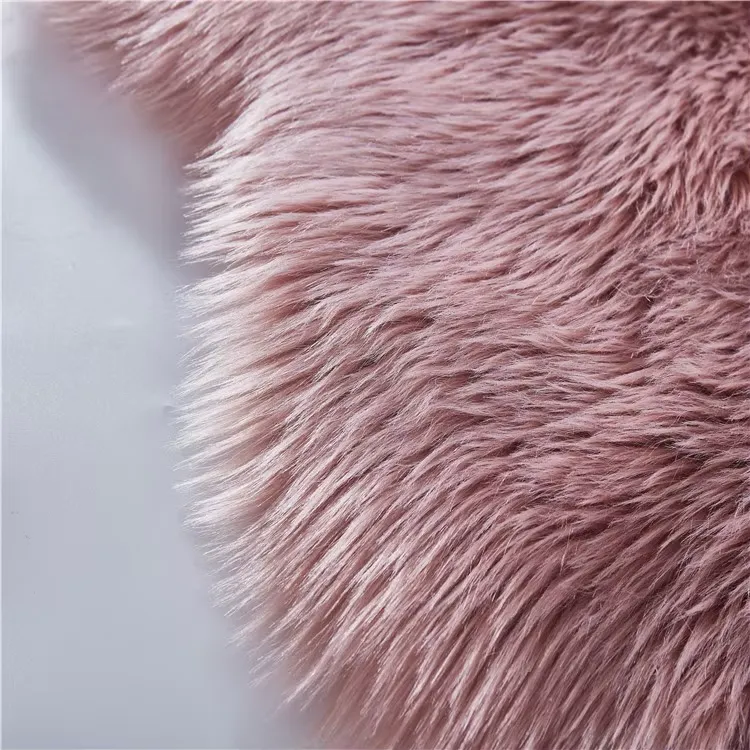
The primary material constituting black faux fur bathroom rugs is typically 100% polyester, although polypropylene and acrylic blends can also be encountered. Polyester is selected for its inherent softness, cost-effectiveness, and ease of dyeing to achieve a consistent black coloration. The 'fur' component consists of fine denier polyester fibers, often crimped or textured to simulate animal fur. The backing material is crucial for structural integrity and slip resistance. Common backing materials include 100% synthetic rubber (SBR), polyvinyl chloride (PVC), or thermoplastic rubber (TPR). Manufacturing begins with fiber extrusion, where molten polyester is forced through spinnerets to create filaments. These filaments undergo crimping and cutting to the desired pile length. The pile fibers are then mechanically attached to the backing material using adhesive bonding, often a polyurethane-based adhesive. Parameter control is critical during the bonding process; temperature, adhesive application rate, and pressure must be precisely regulated to ensure secure fiber anchoring and prevent delamination. Dyeing typically occurs before fiber processing, utilizing disperse dyes for polyester which penetrate the fiber structure and are heat-set for colorfastness. Quality control involves assessing fiber denier, pile height, backing adhesion strength, and color consistency.
Performance & Engineering
Performance is dictated by several key engineering considerations. Water absorption capacity is crucial, and while polyester itself has limited inherent absorbency, the pile structure creates air pockets that can initially hold moisture. However, prolonged water exposure can lead to fiber matting and microbial growth. Slip resistance is achieved through the backing material – TPR backings generally offer superior grip compared to PVC. The rug’s weight also contributes to stability. Force analysis considers compressive loading from foot traffic and the shear forces acting on the fiber-backing interface. Environmental resistance is a significant challenge; prolonged UV exposure can cause fading and fiber degradation. The rug's performance in a humid bathroom environment necessitates consideration of mold and mildew resistance. Antimicrobial treatments, often based on silver ion technology or quaternary ammonium compounds, are frequently applied to the fibers during manufacturing. Compliance requirements vary by region. In the US, flammability is regulated by CPAI-84, while in Europe, EN 13501-1 governs fire performance. Ensuring adequate ventilation in the bathroom and regular cleaning are essential for maintaining performance and hygiene.
Technical Specifications
| Parameter | Unit | Typical Value | Test Method |
|---|---|---|---|
| Pile Height | mm | 25-35 | ASTM D3884 |
| Pile Weight | g/m² | 300-600 | ASTM D6468 |
| Backing Material | - | TPR, SBR, PVC | Visual Inspection |
| Slip Resistance (Coefficient of Friction) | - | ≥ 0.7 (Static) | ASTM D2047 |
| Water Absorption | % | < 50 (Initial) | ASTM D2583 |
| Colorfastness to Light | Grade | 4-5 (Grey Scale) | ISO 105-B02 |
Failure Mode & Maintenance
Common failure modes include fiber shedding, delamination of the pile from the backing, compression set (permanent deformation of the pile), and microbial growth. Fiber shedding occurs due to insufficient fiber anchoring or abrasion from foot traffic. Delamination is caused by adhesive failure, often exacerbated by repeated wetting and drying cycles. Compression set results from prolonged pressure reducing the pile's loft and resilience. Microbial growth, manifesting as discoloration and odor, thrives in humid environments with trapped moisture. Failure analysis often reveals inadequate adhesive application, low-quality backing materials, or insufficient antimicrobial treatment as root causes. Maintenance involves regular vacuuming to remove dust and debris. Spot cleaning with a mild detergent and water is recommended for spills, avoiding harsh chemicals that can damage the fibers. The rug should be thoroughly dried after cleaning to prevent microbial growth. Periodic rotation of the rug can distribute wear more evenly. For significant soiling or odor, professional cleaning is advised. Preventative measures include ensuring adequate bathroom ventilation and avoiding prolonged exposure to direct sunlight.
Industry FAQ
Q: What is the expected lifespan of a black faux fur bathroom rug under normal household use?
A: The expected lifespan varies depending on usage frequency, cleaning regimen, and the quality of materials. Generally, a well-maintained rug should last 2-5 years. Frequent, heavy use and inadequate cleaning will significantly reduce its lifespan, primarily due to fiber breakdown and delamination.
Q: How does the TPR backing compare to PVC backing in terms of durability and environmental impact?
A: TPR (Thermoplastic Rubber) generally offers superior durability, slip resistance, and flexibility compared to PVC (Polyvinyl Chloride). However, PVC is typically less expensive. From an environmental perspective, TPR is often considered more eco-friendly as it doesn't contain phthalates, which are commonly used plasticizers in PVC and pose health concerns. Recyclability also favors TPR.
Q: What level of antimicrobial protection is typically incorporated into these rugs and how effective is it long-term?
A: Antimicrobial treatments usually involve silver ion technology or quaternary ammonium compounds applied during the manufacturing process. Effectiveness diminishes over time with washing and wear. While providing initial protection, regular cleaning and proper ventilation are paramount in preventing microbial growth. Re-treatment with antimicrobial solutions may be necessary after multiple washes.
Q: What are the implications of high humidity on the rug's structural integrity?
A: High humidity promotes moisture absorption by the polyester fibers, leading to fiber matting, reduced pile loft, and increased susceptibility to microbial growth. This can weaken the fiber-backing bond and accelerate delamination. Adequate ventilation and prompt drying after exposure to moisture are critical for maintaining structural integrity.
Q: Are these rugs suitable for use with underfloor heating systems?
A: Suitability depends on the specific heating system and the rug's backing material. Generally, rugs with TPR backings are more tolerant of moderate underfloor heating. However, exceeding the manufacturer’s recommended temperature (typically 27°C/80°F) can cause adhesive breakdown and fiber damage. Always consult the rug’s care label before use with underfloor heating.
Conclusion
Black faux fur bathroom rugs represent a complex interplay between aesthetic preference, material science, and functional performance. The selection of polyester for its softness and dyeability, coupled with the critical role of the backing material in providing slip resistance and structural integrity, defines the core engineering considerations. Understanding the potential failure modes – delamination, fiber shedding, and microbial growth – is crucial for establishing effective maintenance protocols and extending the product's lifecycle.
Future developments are likely to focus on enhancing antimicrobial properties through advanced fiber treatments, improving water repellency through nanotechnology coatings, and exploring more sustainable backing materials. Addressing the balance between luxury comfort and long-term durability will continue to be a key challenge for manufacturers in this specialized segment of the textile industry. Prioritizing material quality, adhesive performance, and rigorous testing remains paramount.