

black faux fur runner Performance Analysis
Introduction
Black faux fur runners represent a significant segment within the decorative textile industry, bridging aesthetic appeal with functional floor covering. Unlike natural fur, which necessitates animal sourcing and presents ethical concerns, faux fur runners are manufactured from synthetic fibers, primarily acrylic and modacrylic polymers. This composition positions them as a cost-effective and cruelty-free alternative. Their technical position within the supply chain includes raw material production (polymer synthesis), fiber extrusion, knitting or weaving, dyeing and finishing, and final product assembly. Core performance characteristics revolve around tactile comfort, visual aesthetics (pile height, density, and sheen), and durability—specifically, resistance to abrasion, crushing, and soiling. A key industry pain point is achieving a realistic fur-like texture and appearance while maintaining adequate performance metrics relating to flammability and shedding, often requiring complex fiber blends and finishing treatments.
Material Science & Manufacturing
The primary raw material for black faux fur runners is typically acrylic fiber, often blended with modacrylic to enhance specific properties. Acrylic polymers (polyacrylonitrile) are produced via free-radical polymerization, with acrylonitrile content dictating fiber strength and dyeability. Modacrylic fibers, copolymers of acrylonitrile and modacrylic monomers, provide improved flame retardancy and softness. Manufacturing commences with fiber extrusion, where molten polymer is forced through spinnerets to create continuous filaments. These filaments are then crimped to provide bulk and texture, simulating natural fur. Two primary construction methods are employed: knitting and weaving. Knitting creates a more flexible and stretchy pile, while weaving offers greater structural integrity. Dyeing is crucial for achieving the desired black coloration. Disperse dyes are commonly used for acrylic fibers, requiring precise temperature and pressure control during the dyeing process to ensure colorfastness. Finishing treatments, including brushing, shearing, and calendaring, refine the pile texture and density. Key parameter control during manufacturing includes denier (fiber thickness), crimp frequency, pile height, and dye concentration. Fiber denier affects the softness and drape; higher crimp creates a more voluminous pile. Improper parameter control can lead to uneven pile density, color variation, and reduced durability. The backings of these runners are frequently constructed of latex or polyurethane foam to add cushioning and slip resistance.
Performance & Engineering
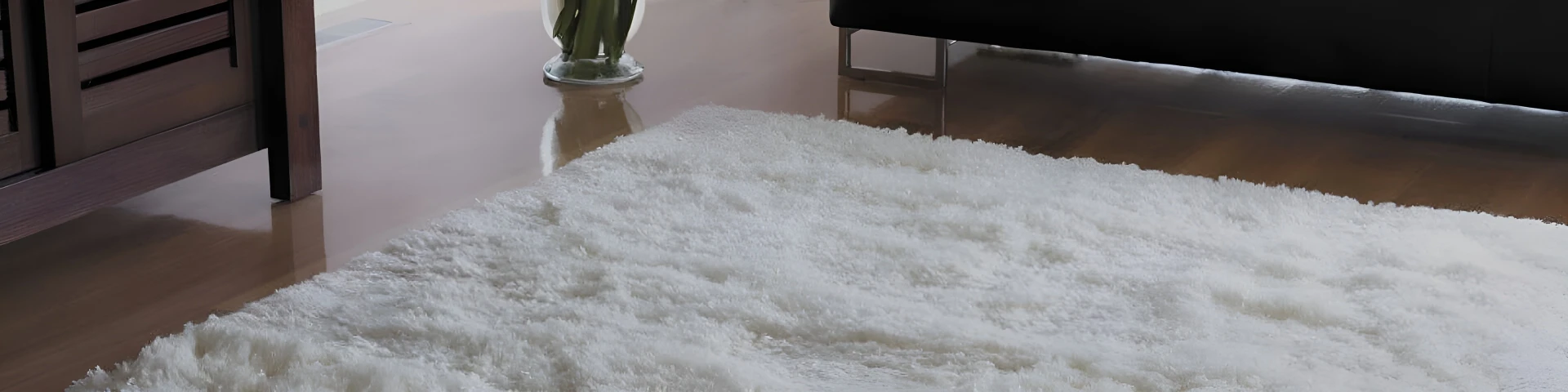
Performance evaluation of black faux fur runners centers on several critical engineering considerations. Compressive strength and resilience dictate how well the pile recovers from foot traffic and furniture placement. Force analysis involves measuring the force required to compress the pile to a specified percentage of its original height. Environmental resistance is paramount, particularly concerning UV degradation and moisture absorption. Acrylic fibers are susceptible to UV degradation, leading to color fading and fiber embrittlement. UV stabilizers are incorporated into the polymer formulation to mitigate this effect. Moisture absorption can cause fiber swelling and dimensional instability. Hydrophobic finishes are often applied to enhance water repellency. Flammability is a significant safety concern. Acrylic fibers are inherently flammable, and faux fur runners must meet specific flammability standards (see Standards & Regulations). Backing materials contribute significantly to fire resistance. Slip resistance, measured using the coefficient of friction, is crucial to prevent accidents. The backing material and surface texture influence slip resistance. Abrasion resistance, assessed through Martindale testing, determines the runner's ability to withstand wear and tear. Compliance requirements include adherence to consumer product safety regulations, such as lead content restrictions and flammability standards. The structural integrity of the knitted or woven backing is vital to preventing delamination and extending product lifespan.
Technical Specifications
| Parameter | Unit | Typical Value | Test Method |
|---|---|---|---|
| Pile Height | mm | 40-60 | ASTM D1568 |
| Pile Density | g/m² | 300-600 | ISO 3071 |
| Fiber Composition | % | 80% Acrylic / 20% Modacrylic | FTIR Spectroscopy |
| Tensile Strength (Warp/Weft) | N/cm | >20 / >15 | ASTM D5035 |
| Abrasion Resistance (Martindale Rubs) | Cycles | >5000 | ISO 12947-2 |
| Flammability (Rate of Flame Spread) | mm/min | <50 | ASTM D2859 |
Failure Mode & Maintenance
Black faux fur runners are susceptible to several failure modes. Fiber shedding is a common issue, particularly during initial use. This is often due to loosely bound fibers in the pile. Pile crushing occurs under sustained pressure, reducing the runner’s aesthetic appeal and comfort. UV degradation causes color fading and fiber embrittlement, diminishing the runner’s visual quality and structural integrity. Delamination, separation of the pile from the backing, results from adhesive failure or mechanical stress. Soiling and staining can occur from spills and dirt accumulation, particularly if the runner lacks a protective finish. Oxidation of acrylic fibers can lead to discoloration and loss of flexibility over extended periods. Maintenance recommendations include regular vacuuming with a soft brush attachment to remove loose fibers and debris. Spot cleaning with a mild detergent and water is recommended for spills. Avoid harsh chemicals and excessive moisture. Professional cleaning may be necessary for deep cleaning and stain removal. To mitigate UV degradation, position the runner away from direct sunlight. Rotate the runner periodically to distribute wear evenly. For delamination, attempting repairs with fabric adhesive can provide temporary relief, but complete replacement is often necessary. Avoid aggressive scrubbing, which can damage the fibers.
Industry FAQ
Q: What is the primary difference between acrylic and modacrylic fibers in faux fur runner construction?
A: Acrylic fibers provide the bulk of the structural properties, including strength and dyeability. Modacrylic fibers are added to enhance flame retardancy and softness. Modacrylic polymers have a lower flammability rating than standard acrylics, improving the runner's overall safety profile. They also offer a more luxurious feel to the pile.
Q: How does pile height impact the runner's performance and longevity?
A: Higher pile heights generally provide greater comfort and a more realistic fur-like appearance, but they are also more prone to crushing and matting. Lower pile heights offer better durability and resilience, maintaining their shape for a longer period. The optimal pile height depends on the intended use and traffic level.
Q: What flammability standards apply to faux fur runners, and how are they tested?
A: Faux fur runners must typically meet flammability requirements outlined in standards like ASTM D2859 or similar regional regulations. Testing involves exposing a sample to a standardized flame source and measuring the rate of flame spread, char length, and afterglow time. A passing result indicates the material meets the minimum safety requirements.
Q: What causes pile shedding in new faux fur runners, and how can it be minimized?
A: Initial pile shedding is common and results from loosely bound fibers released during the manufacturing process and initial use. Minimizing shedding involves using high-quality fibers, employing secure knitting or weaving techniques, and applying fiber locking finishes during production. Regular vacuuming helps remove loose fibers.
Q: How can I prevent UV degradation and color fading in my black faux fur runner?
A: UV degradation is a significant concern. Positioning the runner away from direct sunlight is the most effective preventative measure. Using UV stabilizers during fiber production helps, but prolonged exposure will eventually lead to fading. Regularly rotating the runner can distribute UV exposure more evenly.
Conclusion
Black faux fur runners represent a compelling alternative to natural fur, offering a blend of aesthetic appeal, cost-effectiveness, and ethical sourcing. Their performance characteristics, however, are significantly influenced by fiber composition, manufacturing techniques, and finishing treatments. Understanding the interplay between these factors is crucial for selecting a runner that meets specific performance requirements, such as durability, flammability resistance, and UV stability.
Future developments in faux fur technology will likely focus on enhancing fiber performance through innovative polymer blends and finishing techniques. Increased emphasis on sustainability and eco-friendly materials will drive the development of bio-based acrylic alternatives and recycled fiber content. Continued refinement of manufacturing processes will further improve the texture, density, and overall quality of faux fur runners, narrowing the gap between synthetic and natural fur aesthetics while maintaining a superior safety profile.