

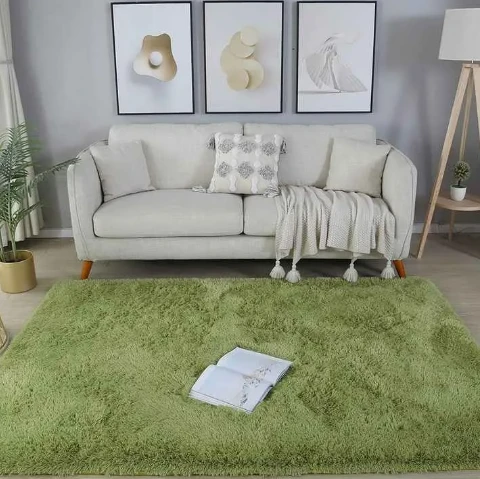
black faux rabbit fur rug Performance Analysis

Introduction
Black faux rabbit fur rugs represent a significant segment within the synthetic textile flooring market, positioned as a cost-effective and ethically sourced alternative to genuine rabbit fur. These rugs typically consist of a pile surface fabricated from modified acrylic or polyester fibers, adhered to a backing material – commonly jute, polypropylene, or latex foam. Their primary application lies in residential interiors, serving as decorative accents providing warmth and visual texture. The performance characteristics of these rugs are defined by pile density, fiber crimp, backing stability, and resistance to abrasion, shedding, and staining. Addressing consumer concerns around animal welfare, ease of cleaning, and durability are core industry challenges. This guide provides an in-depth technical analysis of black faux rabbit fur rugs, encompassing material science, manufacturing processes, performance engineering, failure modes, and industry standards.
Material Science & Manufacturing
The foundation of black faux rabbit fur lies in the polymer chemistry of its constituent fibers. Typically, these fibers are either acrylic (polyacrylonitrile) or polyester (polyethylene terephthalate – PET). Acrylic fibers offer a softer hand-feel and superior bulk, mimicking the natural loft of rabbit fur, but are generally less durable and susceptible to pilling. Polyester fibers provide enhanced resilience, stain resistance, and colorfastness, at the cost of a slightly less realistic texture. The coloring agent used to achieve the black hue is usually a specialized pigment integrated during the fiber extrusion process, ensuring even distribution and lightfastness. The manufacturing process begins with polymer pellet production followed by melt extrusion through spinnerets to create continuous filaments. These filaments undergo crimping – a mechanical texturing process – to impart bulk and emulate the natural curl of rabbit fur. The crimped fibers are then cut to a specific pile length, typically ranging from 25mm to 50mm. The pile is subsequently attached to a backing material using a tufting process, where needles repeatedly insert the fibers through the backing. Latex adhesives are often used to lock the tufts in place, enhancing pile retention. Key process control parameters include spinneret temperature, extrusion rate, crimp frequency, and adhesive application rate. Variations in these parameters directly impact pile density, softness, and overall rug quality. The backing material, typically jute or polypropylene, contributes to structural integrity and dimensional stability. Jute, a natural fiber, offers good breathability but is prone to moisture absorption and subsequent mildew growth. Polypropylene provides superior moisture resistance and durability but lacks the inherent aesthetic appeal of jute.
Performance & Engineering
The performance of a black faux rabbit fur rug is governed by several engineering considerations. Pile resilience, measured as the ability of the fibers to recover from compression, directly impacts the rug’s perceived softness and longevity. This is influenced by the fiber's intrinsic elasticity and the density of the pile. Abrasion resistance, quantified through methods like the Wyzenbeek test, determines the rug’s ability to withstand foot traffic and maintain its aesthetic appearance. Fiber denier (thickness) and cross-sectional shape significantly affect abrasion resistance – higher denier and rounded cross-sections generally offer better performance. Colorfastness to light and washing is critical, preventing fading or bleeding of the black dye. This is assessed through standardized tests exposing the rug to simulated sunlight or repeated washing cycles. Dimensional stability, particularly resistance to shrinkage or stretching, is crucial for maintaining the rug’s shape and preventing warping. The backing material plays a key role in dimensional stability, with polypropylene offering superior performance compared to jute. Fire resistance is a paramount safety concern, governed by regulations like California Technical Bulletin 117. Flame retardant treatments are often applied to the fibers or backing to meet these standards. Static charge buildup can be a nuisance, particularly in dry climates. Anti-static treatments are frequently employed to mitigate this issue. Force analysis during manufacturing and use focuses on tensile strength of fibers, shear strength of the tufted pile, and peel strength of the adhesive bond between the pile and backing.
Technical Specifications
| Parameter | Unit | Acrylic Fiber | Polyester Fiber |
|---|---|---|---|
| Pile Height | mm | 25-50 | 25-50 |
| Pile Density | g/m² | 800-1500 | 900-1800 |
| Fiber Denier | dtex | 3-6 | 6-12 |
| Tensile Strength (Fiber) | cN/tex | 40-60 | 70-90 |
| Colorfastness to Light (Gray Scale Rating) | - | 4-5 | 5-6 |
| Water Absorption | % | 5-8 | 0.5-1.5 |
Failure Mode & Maintenance
Black faux rabbit fur rugs are susceptible to several failure modes. Pilling, the formation of small fiber balls on the surface, is a common issue, particularly with acrylic fibers, resulting from abrasion and fiber breakage. Shedding, the loss of loose fibers, is inherent to tufted construction and diminishes over time with regular vacuuming. Pile crush, the permanent deformation of the pile due to prolonged compression, can occur in high-traffic areas. Color fading, resulting from UV exposure, degrades the aesthetic appearance. Delamination, the separation of the pile from the backing, is a critical failure mode caused by adhesive failure or excessive mechanical stress. Mold and mildew growth can occur in rugs with jute backing exposed to high humidity. Oxidation of the polymer fibers, particularly acrylic, can lead to embrittlement and loss of resilience over extended periods. Maintenance involves regular vacuuming with a suction-only attachment to remove loose dirt and debris. Spot cleaning with a mild detergent solution is recommended for stain removal, avoiding harsh chemicals that can damage the fibers. Professional cleaning is advisable for deep cleaning and stain removal. Rotating the rug periodically can distribute wear evenly and prolong its lifespan. Protecting the rug from direct sunlight can minimize color fading. For rugs with jute backing, ensuring adequate ventilation and minimizing exposure to moisture are crucial for preventing mold growth.
Industry FAQ
Q: What is the difference between acrylic and polyester faux fur in terms of durability?
A: Polyester generally exhibits superior durability compared to acrylic. Polyester fibers possess higher tensile strength and abrasion resistance, leading to a longer lifespan and better resistance to pilling and wear. Acrylic fibers, while offering a softer feel, are more prone to fiber breakage and degradation over time.
Q: How does the backing material affect the overall performance of the rug?
A: The backing material significantly influences dimensional stability, moisture resistance, and structural integrity. Polypropylene backings offer excellent moisture resistance and durability, while jute backings provide breathability but are susceptible to moisture absorption and mildew growth.
Q: What are the key factors to consider regarding fire safety for faux fur rugs?
A: Fire safety is paramount. Rugs should meet relevant fire resistance standards (e.g., California Technical Bulletin 117). Flame retardant treatments are often applied to fibers or backing. The inherent flammability of the polymer fibers and the backing material are critical considerations.
Q: How can I minimize shedding in a new faux fur rug?
A: Shedding is common in new rugs. Regular vacuuming with a suction-only attachment (avoiding beater bars) helps remove loose fibers. Allowing the rug to settle for a few weeks and avoiding excessive foot traffic during the initial period can also minimize shedding.
Q: What is the best method for cleaning stains on a black faux fur rug?
A: Spot cleaning with a mild detergent solution (specifically designed for synthetic fibers) is recommended. Avoid harsh chemicals, bleaching agents, and excessive water. Gently blot the stain, working from the outside inward. Rinse with clean water and allow to air dry.
Conclusion
Black faux rabbit fur rugs offer a compelling blend of aesthetic appeal, cost-effectiveness, and ethical sourcing within the interior textile market. Their performance characteristics are intrinsically linked to the polymer chemistry of the constituent fibers – acrylic and polyester – and the manufacturing processes employed to create the pile and attach it to the backing. Understanding the trade-offs between fiber properties, such as softness versus durability, and backing materials, such as jute versus polypropylene, is crucial for selecting a rug suited to specific application requirements.
Continued advancements in fiber technology, including the development of more resilient and stain-resistant polymers, promise to further enhance the performance and longevity of faux fur rugs. Furthermore, increased focus on sustainable manufacturing practices, such as utilizing recycled materials and reducing water consumption, will be essential for addressing growing environmental concerns. Adherence to stringent quality control standards and relevant industry regulations will remain paramount for ensuring consumer safety and satisfaction.