

blush pink fur rug Performance Analysis
Introduction
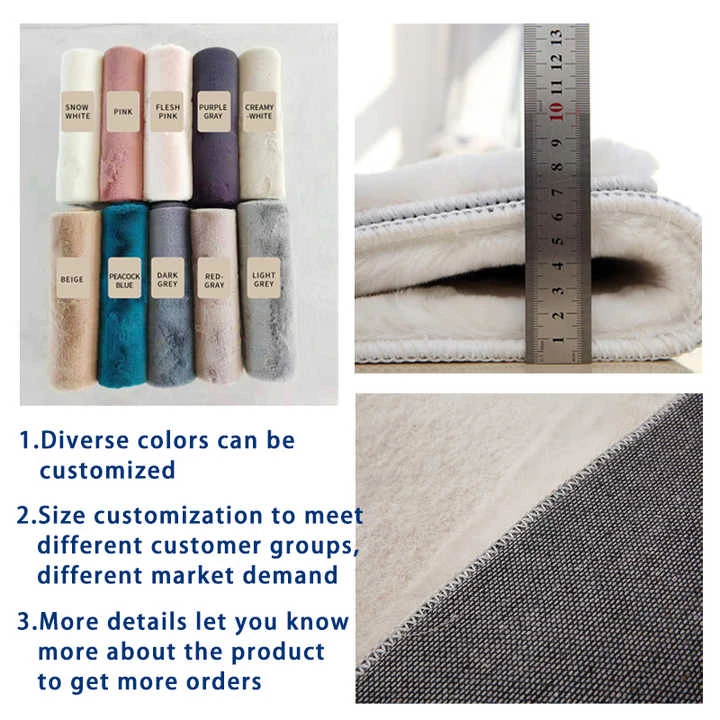
Blush pink fur rugs represent a segment within the broader decorative textile industry, specifically falling under the category of synthetic pile floor coverings. These rugs, typically constructed from acrylic, polyester, or polypropylene fibers, are designed to provide aesthetic appeal and tactile comfort within interior spaces. Their technical position within the supply chain involves raw material production (polymer synthesis), fiber extrusion, yarn production, weaving or knitting, dyeing, finishing processes, and finally, rug manufacturing involving backing application and edge finishing. Core performance characteristics center around pile height, density, fiber crimp (influencing texture and resilience), colorfastness, and resistance to abrasion and compression. The demand is driven primarily by interior design trends, focusing on soft furnishings, and perceived luxury, yet often faces scrutiny regarding durability and cleaning maintenance compared to natural fiber alternatives like wool. This guide will provide an in-depth technical assessment of blush pink fur rugs, addressing materials, manufacturing, performance, failure modes, and relevant industry standards.
Material Science & Manufacturing
The primary raw materials for blush pink fur rugs are synthetic polymers: predominantly acrylic, polyester, and polypropylene. Acrylic fibers (polyacrylonitrile) offer a wool-like feel and good dyeability, contributing significantly to the desired aesthetic. Polyester provides excellent resilience, good color retention, and is generally more affordable. Polypropylene, while cost-effective and stain-resistant, possesses lower resilience and can be prone to matting. The blush pink coloration is achieved through the addition of pigments during the polymer melt-spinning process, requiring precise control over pigment concentration to ensure consistent hue and lightfastness. Manufacturing typically follows these steps: 1) Polymerization: Synthesis of the base polymer. 2) Fiber Extrusion: Molten polymer is forced through spinnerets to create continuous filaments. Fiber diameter directly impacts softness and bulk. 3) Texturization: Fibers are crimped or bulked to enhance their tactile properties and create the “fur” effect. 4) Yarn Production: Filaments are twisted or entangled to form yarns. Yarn denier (weight per unit length) influences pile density. 5) Pile Formation: Yarns are woven, knitted, or tufted into a backing material (often polypropylene or jute). Tufting is the most common method for fur rugs due to its cost-effectiveness and speed. 6) Dyeing: Yarns or the finished rug are dyed to achieve the blush pink shade. Solution dyeing (dyeing the polymer before fiber extrusion) offers superior colorfastness. 7) Finishing: This includes applying coatings for stain resistance, applying a secondary backing for increased stability, and shearing the pile to achieve a uniform height and appearance. Critical parameter control involves maintaining consistent fiber denier, crimp frequency, dye bath temperature and pH, and pile density during tufting.
Performance & Engineering
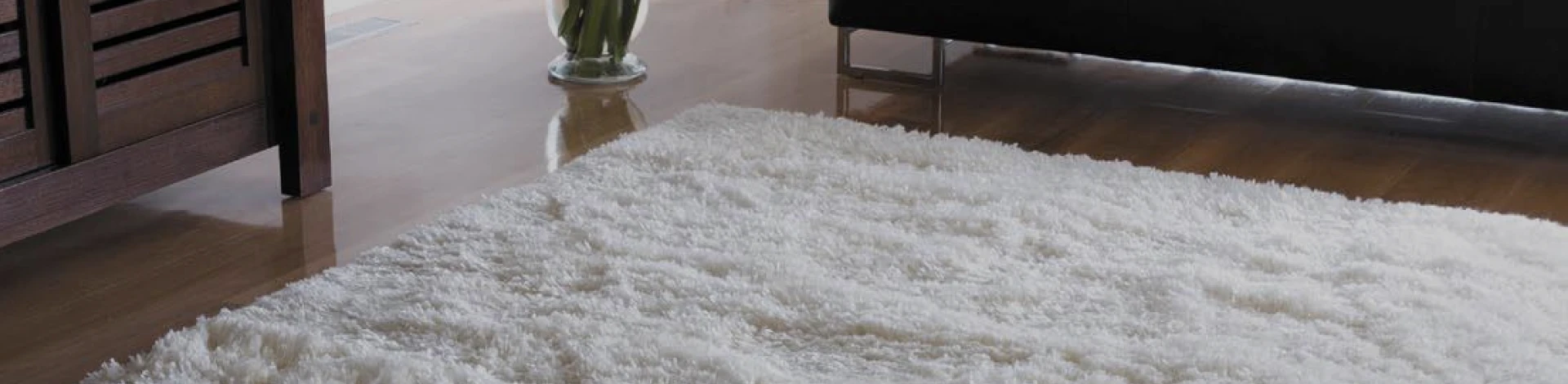
Performance evaluation of blush pink fur rugs necessitates analysis across several key areas. Tactile Performance: Measured by pile height, density, and fiber crimp. Higher pile height and density generally correlate with a softer, more luxurious feel. Fiber crimp contributes to bulk and resilience. Durability: Assessed via abrasion resistance (Taber Abrasion Test – ASTM D4966) and pile retention testing. Fiber type significantly impacts abrasion resistance, with polyester generally outperforming acrylic and polypropylene. Colorfastness: Evaluated through light exposure (ASTM D1654) and wash testing (ISO 105 C06). Solution-dyed fibers exhibit superior colorfastness. Flammability: Synthetic fibers are inherently flammable. Rugs are often treated with flame retardants to meet fire safety standards (e.g., California Technical Bulletin 117). Compression Set: Important for maintaining pile height under sustained load. Lower compression set indicates better resilience. Static Charge Build-up: Synthetic fibers can accumulate static electricity, a discomfort factor for users. Anti-static treatments may be applied. Slip Resistance: The rug backing must provide adequate friction to prevent slippage. Slip-resistant backings (e.g., latex or TPR) are commonly used. Engineering considerations involve optimizing the backing material and construction to balance cost, durability, and slip resistance. Pile density and fiber type are engineered to meet specific performance criteria based on the intended application (e.g., high-traffic areas versus bedrooms).
Technical Specifications
| Parameter | Acrylic Fiber | Polyester Fiber | Polypropylene Fiber | Typical Value (Blush Pink Fur Rug) |
|---|---|---|---|---|
| Fiber Denier (g/1000m) | 1.5 - 3.0 | 1.0 - 2.5 | 2.0 - 4.0 | 2.2 |
| Pile Height (mm) | 20 - 50 | 20 - 60 | 20 - 40 | 40 |
| Pile Weight (g/m²) | 800 - 1500 | 600 - 1200 | 400 - 800 | 1000 |
| Abrasion Resistance (Taber Cycles) | 5,000 - 10,000 | 15,000 - 30,000 | 8,000 - 15,000 | 12,000 |
| Colorfastness to Light (Rating 1-5) | 3 - 4 | 4 - 5 | 3 - 4 | 4 |
| Water Absorption (%) | 3 - 5 | 0.5 - 1.5 | 0.1 - 0.5 | 1.0 |
Failure Mode & Maintenance
Blush pink fur rugs are susceptible to several failure modes. Fiber Shedding: Common, particularly during initial use, due to loose fibers. Can be mitigated through proper manufacturing and initial vacuuming. Pile Matting/Crushing: Occurs under sustained pressure, reducing pile height and aesthetic appeal. More prevalent in polypropylene rugs. Color Fading: Prolonged exposure to UV light degrades dyes, causing color fading. Solution-dyed fibers offer improved resistance. Stain Penetration: Spills can penetrate the pile and stain the fibers. Prompt cleaning and stain-resistant treatments are crucial. Delamination: Separation of the pile from the backing material, resulting in structural failure. Poor adhesive application during manufacturing is a primary cause. Oxidation: Acrylic fibers can undergo oxidation over time, leading to brittleness and discoloration. Dust and Dirt Accumulation: The dense pile traps dust and dirt, potentially harboring allergens. Regular vacuuming is essential. Maintenance: Regular vacuuming (2-3 times per week) with a brush attachment is vital. Spot cleaning with a mild detergent and water is recommended for spills. Avoid harsh chemicals and excessive moisture. Professional cleaning every 12-18 months can extend the rug's lifespan. Rotating the rug periodically helps distribute wear evenly. Proper underlayment can provide cushioning and prevent slippage, reducing stress on the pile and backing.
Industry FAQ
Q: What is the primary difference between acrylic and polyester fur rugs regarding durability and cleaning?
A: Polyester generally offers superior abrasion resistance and is easier to clean than acrylic. Acrylic, while softer, is more prone to matting and can be more challenging to remove stains from. Polyester's lower water absorption also contributes to its ease of cleaning and resistance to mildew.
Q: How does solution dyeing affect the longevity of the blush pink color?
A: Solution dyeing, where the pigment is incorporated into the polymer melt before fiber extrusion, significantly enhances colorfastness. Unlike traditional dyeing methods where dye is applied to the finished fiber, solution-dyed fibers resist fading from UV exposure and washing far more effectively, extending the rug's vibrant color for a longer duration.
Q: What backing materials are commonly used, and how do they affect slip resistance?
A: Common backing materials include polypropylene, jute, and latex. Latex backings generally provide the best slip resistance due to their inherent tackiness. Polypropylene is more cost-effective but offers less grip, often requiring an additional slip-resistant treatment. Jute is a natural fiber offering some grip, but is susceptible to moisture damage.
Q: What are the fire safety considerations for synthetic fur rugs?
A: Synthetic fibers are inherently flammable and must meet fire safety standards. Rugs are often treated with flame retardants to comply with regulations like California Technical Bulletin 117. However, flame retardant treatments can diminish over time with cleaning, requiring re-application or careful consideration of rug placement.
Q: How can I minimize pile matting in a high-traffic area?
A: Minimize pile matting by using a rug pad to distribute weight and reduce compression. Regular vacuuming helps lift the pile and prevent dirt from embedding. Rotating the rug periodically ensures even wear. Consider a polyester fiber rug, as it exhibits greater resilience than acrylic or polypropylene.
Conclusion
Blush pink fur rugs, while aesthetically appealing, represent a complex interplay of material science, manufacturing processes, and performance characteristics. The selection of fiber type – acrylic, polyester, or polypropylene – dictates key attributes such as durability, colorfastness, and ease of maintenance. Understanding the nuances of pile construction, dyeing techniques, and backing materials is crucial for evaluating the long-term performance and value of these rugs.
Future trends will likely focus on developing more sustainable synthetic fiber options, improving stain resistance through advanced coatings, and enhancing flame retardancy without compromising environmental health. Manufacturers will continue to refine manufacturing processes to reduce fiber shedding and optimize pile density for improved tactile comfort and durability, ultimately enhancing the consumer experience and extending the lifespan of these popular decorative floor coverings.