

brown faux rug Performance Analysis
Introduction
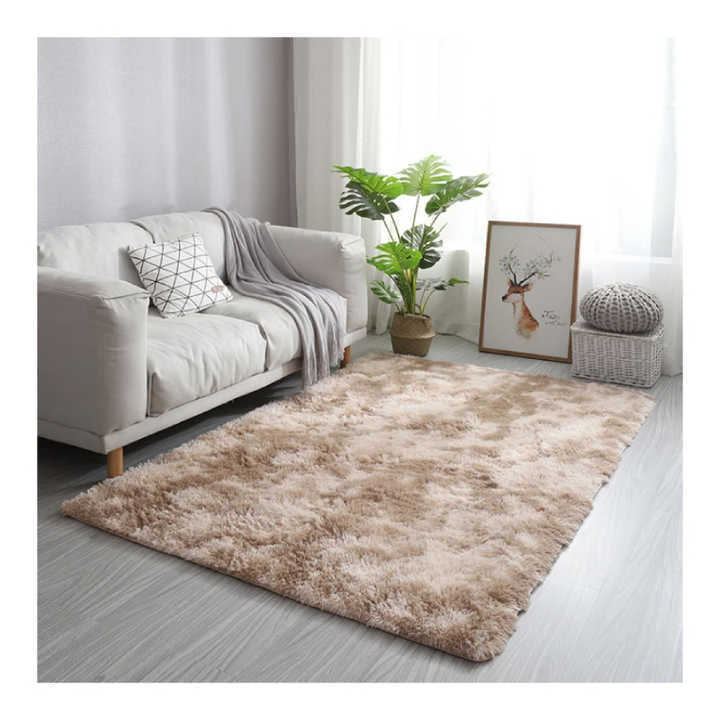
Brown faux rugs represent a significant segment within the broader decorative floor covering industry, serving as an accessible alternative to natural fiber rugs. Positioned between high-end wool or silk rugs and lower-cost, purely functional options, faux rugs leverage synthetic materials to mimic the aesthetic qualities of more expensive textiles. The core performance characteristics – durability, stain resistance, ease of cleaning, and cost-effectiveness – position them strongly in both residential and light commercial applications. This guide provides an in-depth technical analysis of brown faux rugs, examining their material composition, manufacturing processes, performance metrics, potential failure modes, and relevant industry standards. The growing demand for pet-friendly and allergy-conscious home furnishings drives continued innovation and refinement in faux rug technology.
Material Science & Manufacturing
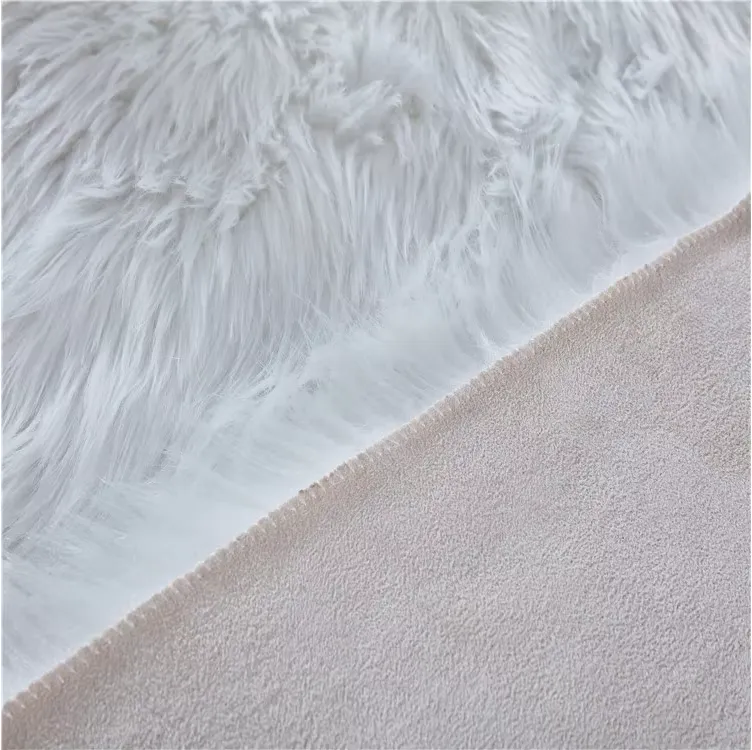
The foundation of a brown faux rug lies in its synthetic fiber composition, primarily utilizing polypropylene (PP), polyester (PET), or acrylic. Polypropylene, known for its inherent hydrophobic properties, is frequently employed where stain resistance is paramount. Polyester offers improved texture and a softer hand-feel, but is generally less resilient than polypropylene. Acrylic, while less common, can closely mimic the appearance of wool, but is susceptible to pilling. The “brown” coloration is achieved through mass coloration of the polymer fibers during production, ensuring consistent color throughout the pile, or through dyeing after extrusion. Manufacturing typically involves extrusion of the polymer into filaments, followed by texturing to create the desired pile height and density. Tufting is the predominant construction method, where fibers are inserted into a primary backing material, usually polypropylene. This is followed by application of a secondary backing – often a latex or polyurethane foam – for added cushioning and dimensional stability. Key parameters in the manufacturing process include denier (fiber thickness), pile weight (grams per square meter), stitch rate, and backing adhesive composition. Precise control of these parameters is crucial for achieving the target performance specifications. Variations exist such as woven faux rugs, but these are generally more expensive and less common for large area rugs.
Performance & Engineering
The performance of a brown faux rug is dictated by several key engineering considerations. Tensile strength, measured in Newtons (N) or pounds-force (lbf), determines the rug's resistance to tearing and stretching, particularly under load. Abrasion resistance, assessed using methods like the Taber Abrasion Test (ASTM D4966), quantifies the rug's ability to withstand wear and tear from foot traffic. Colorfastness to light (ISO 105-B02) and washing (ISO 105-C06) are critical for maintaining aesthetic appearance over time. Environmental resistance includes resistance to UV degradation (important for outdoor or heavily sunlit areas) and moisture absorption. The pile height and density significantly influence the rug's cushioning properties and impact resistance. Furthermore, the backing material plays a crucial role in preventing delamination and ensuring dimensional stability. Compliance requirements are often dictated by flammability standards (e.g., California Proposition 65 for formaldehyde emissions, NFPA 701 for flame propagation). Static charge buildup is also a consideration, particularly in dry climates, and can be mitigated through the addition of anti-static treatments. Force analysis under typical use conditions reveals that the majority of stress is concentrated at the pile fibers and their attachment points to the primary backing.
Technical Specifications
| Parameter | Polypropylene (PP) | Polyester (PET) | Acrylic | Unit |
|---|---|---|---|---|
| Tensile Strength | 40-60 | 50-70 | 30-50 | N/cm |
| Abrasion Resistance (Taber Index) | 800-1200 | 600-1000 | 400-800 | Cycles |
| Pile Height | 5-15 | 5-15 | 8-20 | mm |
| Pile Weight | 800-1500 | 1000-2000 | 1200-2500 | g/m² |
| Water Absorption | <0.1 | 0.5-1.0 | 1.0-2.0 | % |
| Colorfastness to Light (Rating 1-8) | 6-7 | 5-7 | 4-6 | Scale |
Failure Mode & Maintenance
Common failure modes in brown faux rugs include pile crushing (loss of resilience due to compression), fiber shedding (breakage of fibers from the backing), delamination (separation of the primary and secondary backings), and discoloration (fading or staining). Pile crushing is exacerbated by heavy foot traffic and improper cushioning. Fiber shedding is often a consequence of low fiber quality or excessive wear. Delamination typically occurs due to adhesive failure in the backing system, often accelerated by moisture exposure or temperature fluctuations. Discoloration can result from UV exposure, staining from spills, or chemical reactions with cleaning agents. Maintenance best practices include regular vacuuming (using a beater bar setting appropriate for synthetic fibers), prompt stain removal (using a mild detergent and water), and avoidance of harsh chemicals or abrasive cleaning methods. Professional cleaning is recommended periodically to restore pile loft and remove deeply embedded dirt. Rotation of the rug can help distribute wear evenly and prolong its lifespan. In the event of delamination, adhesive reapplication may provide a temporary fix, but complete replacement is often the most reliable long-term solution. Regular inspection for loose fibers and prompt trimming can prevent further shedding.
Industry FAQ
Q: What is the primary difference in performance between polypropylene and polyester faux rugs in high-traffic areas?
A: Polypropylene generally exhibits superior abrasion resistance and resilience, making it better suited for high-traffic areas. While polyester offers a softer feel, it tends to flatten more quickly under sustained pressure and is more prone to wear. The longer-term cost of ownership, considering replacement frequency, often favors polypropylene in these applications.
Q: How does the backing material affect the overall lifespan of a faux rug?
A: The backing material is critical. A robust, high-quality backing (typically a polyurethane foam) provides superior dimensional stability, prevents delamination, and offers better cushioning. Latex backings are less durable and can become brittle over time, leading to cracking and separation. The adhesive used to bond the pile to the backing is also crucial – a strong, flexible adhesive is essential for long-term integrity.
Q: What are the flammability standards I should be aware of when sourcing faux rugs for a commercial space?
A: In the US, NFPA 701 is a common standard for flame propagation. California Proposition 65 regulates formaldehyde emissions. European standards include EN 13501-1 for fire classification. It's vital to verify that the rugs meet the specific requirements of the intended application and local building codes. Documentation from the manufacturer confirming compliance is essential.
Q: Can faux rugs be safely cleaned with steam cleaners?
A: Generally, steam cleaning is not recommended for most faux rugs. The high heat can melt or distort the synthetic fibers, causing irreversible damage. Dry cleaning or professional cleaning with specialized equipment is preferable. If spot cleaning, use a mild detergent diluted in cool water and avoid over-wetting the rug.
Q: What impact does UV exposure have on the color and structural integrity of brown faux rugs?
A: Prolonged UV exposure can cause fading of the color, particularly in darker shades like brown. It can also lead to degradation of the polymer fibers, making them brittle and prone to cracking. UV stabilizers can be added during manufacturing to mitigate these effects, but the level of protection varies. Using rugs in shaded areas or rotating them regularly can minimize UV damage.
Conclusion
Brown faux rugs offer a compelling balance of aesthetic appeal, durability, and affordability, positioning them as a popular choice for a wide range of applications. Their performance characteristics are inextricably linked to the material science of the synthetic fibers used – polypropylene, polyester, and acrylic – and the meticulous control of manufacturing parameters. Understanding potential failure modes, such as pile crushing, delamination, and discoloration, is crucial for informed procurement and proper maintenance.
Continued innovation in polymer technology, backing materials, and manufacturing processes is expected to further enhance the performance and longevity of brown faux rugs. The industry’s focus on sustainability, including the development of recycled content options and reduced VOC emissions, will shape future trends. Careful consideration of technical specifications, compliance standards, and maintenance best practices ensures that these versatile floor coverings deliver lasting value and aesthetic satisfaction.