


brown faux sheepskin rug Performance Analysis

Introduction
Brown faux sheepskin rugs represent a synthetic alternative to traditional sheepskin, utilized primarily for floor covering, decorative accents, and textile applications requiring a plush, warm aesthetic. Positioned within the broader textile and flooring industries, these rugs are characterized by their manufactured pile construction, designed to mimic the natural texture and appearance of genuine sheepskin. Core performance characteristics revolve around aesthetic appeal, tactile comfort, cost-effectiveness, and ease of maintenance. Unlike natural sheepskin, faux varieties do not require extensive cleaning processes to prevent lanolin degradation or parasite infestation. However, they present unique challenges in terms of durability, flammability, and potential off-gassing of volatile organic compounds (VOCs), factors increasingly scrutinized by consumers and regulatory bodies. A key industry pain point lies in balancing the desired luxurious feel with stringent performance and safety requirements, particularly regarding fire resistance and material degradation over time.
Material Science & Manufacturing
The primary raw material for brown faux sheepskin rugs is typically a synthetic fiber, most commonly polyester (polyethylene terephthalate - PET) or acrylic (polyacrylonitrile). Polyester is favored for its inherent stain resistance, durability, and relatively low cost, while acrylic offers a softer, more wool-like texture. The manufacturing process begins with polymer synthesis, followed by fiber extrusion. These fibers are then tufted or woven into a backing material, often polypropylene or jute, to create the rug's structure. A critical parameter is denier – the linear mass density of the fiber, influencing softness and pile height. Lower denier fibers (finer filaments) result in a softer feel. The pile is then cut or looped to achieve the desired aesthetic. Dyeing occurs either at the fiber stage (solution dyeing for increased colorfastness) or after tufting/weaving (piece dyeing). A latex or polyurethane coating is commonly applied to the backing for added stability and to prevent shedding. Significant attention is paid to pile density (fibers per unit area) and pile height, directly impacting the rug’s overall comfort and appearance. Chemical compatibility between the fiber, backing, and adhesive is crucial to prevent delamination or material degradation. Control of fiber crimp (the waviness of the fiber) impacts the rug’s loft and resilience.
Performance & Engineering
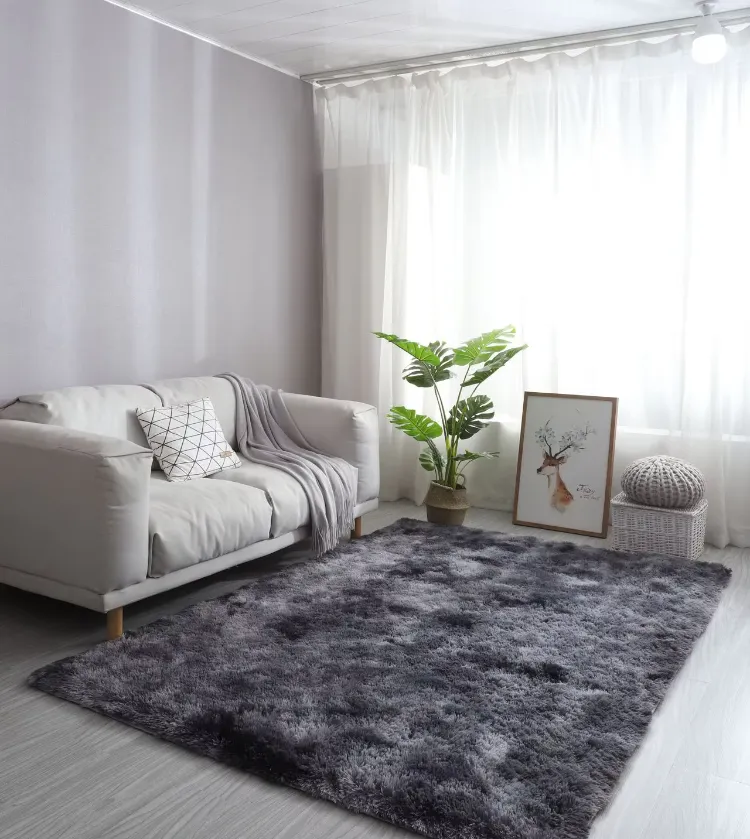
Performance evaluation of brown faux sheepskin rugs centers on several key engineering properties. Tensile strength, measured using ASTM D4266, determines the rug's resistance to tearing, particularly important in high-traffic areas. Pile compression resistance, assessed via ASTM D2489, dictates the rug’s ability to maintain its loft and resilience under sustained pressure. Flammability is a critical concern, governed by standards such as DOC-FF1-70 (US) and EN 13501-1 (Europe). Faux sheepskin, being synthetic, is inherently more flammable than natural wool and often requires treatment with flame retardants, necessitating careful selection to avoid environmental or health concerns. Colorfastness to light (ASTM D1654) and washing (ASTM D2064) are essential for maintaining aesthetic appeal. Static electricity build-up can be problematic, leading to discomfort and dust attraction. Anti-static treatments are often applied to mitigate this. Environmental resistance testing involves evaluating resistance to UV degradation (ASTM G154), moisture absorption (ASTM D2047), and potential for mold or mildew growth in humid environments. Force analysis focuses on the impact of foot traffic and furniture weight on pile deformation and long-term durability. Compliance requirements include adherence to REACH regulations (regarding restricted substances) and Proposition 65 (California, concerning hazardous chemicals).
Technical Specifications
| Parameter | Polyester Faux Sheepskin | Acrylic Faux Sheepskin | Typical Variation |
|---|---|---|---|
| Pile Material | 100% Polyester | 100% Acrylic | Fiber Blend Options Available |
| Pile Height (mm) | 20-60 | 25-70 | Dependent on Style/Grade |
| Pile Density (g/m²) | 800-2000 | 600-1800 | Affects Rug Weight & Feel |
| Backing Material | Polypropylene/Jute | Polypropylene/Jute | Latex or PU Coating Optional |
| Tensile Strength (N/cm) | 15-30 | 12-25 | Measured Per ASTM D4266 |
| Flammability Rating (DOC-FF1-70) | Class I (with treatment) | Class I (with treatment) | Treatment Varies in Effectiveness |
Failure Mode & Maintenance
Common failure modes in brown faux sheepskin rugs include pile shedding, matting (loss of pile resilience), delamination (separation of the pile from the backing), and fading of color. Pile shedding is a natural consequence of fiber loosening during use, but excessive shedding indicates lower fiber quality or insufficient tufting/weaving density. Matting occurs due to repeated compression, breaking down the fiber structure. Delamination is often caused by incompatible adhesives or exposure to excessive moisture. UV degradation leads to color fading and fiber embrittlement, particularly in direct sunlight. Oxidation of the synthetic fibers can also contribute to discoloration and loss of pliability over time. Maintenance recommendations involve regular vacuuming (using a suction-only nozzle to avoid snagging), spot cleaning with mild detergent and water, and avoiding prolonged exposure to direct sunlight. Professional cleaning is recommended periodically. For delamination, re-adhering the pile with a suitable polymer adhesive may provide a temporary fix, but complete replacement is often necessary. Preventative measures include using rug pads to distribute weight and reduce wear, rotating the rug to equalize exposure to sunlight and traffic, and promptly addressing spills to prevent staining.
Industry FAQ
Q: What is the difference between polyester and acrylic faux sheepskin in terms of durability?
A: Polyester generally exhibits superior abrasion resistance and tensile strength compared to acrylic, making it more durable for high-traffic areas. Acrylic, while softer, is more prone to pilling and matting under sustained pressure. However, higher-quality acrylic fibers can offer comparable performance with appropriate maintenance.
Q: How do flame retardant treatments affect the environmental impact of faux sheepskin rugs?
A: Many traditional flame retardants contain halogenated compounds, which are associated with environmental and health concerns. Manufacturers are increasingly adopting alternative, more sustainable flame retardant chemistries, but these can sometimes compromise performance or increase cost. Life cycle assessments are needed to fully evaluate the environmental impact.
Q: What level of moisture resistance can be expected from a typical faux sheepskin rug?
A: Faux sheepskin rugs generally exhibit limited moisture resistance. While polyester and acrylic are inherently less absorbent than natural fibers like wool, prolonged exposure to moisture can lead to mold or mildew growth within the backing material. Promptly addressing spills is crucial. Polypropylene backing offers better water resistance than jute.
Q: How does pile height impact the cleaning and maintenance requirements of the rug?
A: Higher pile heights tend to trap more dirt and debris, requiring more frequent and thorough vacuuming. They can also be more challenging to spot clean effectively. Lower pile heights are generally easier to maintain, but may not offer the same level of plush comfort.
Q: Are there any specific standards for VOC emissions from faux sheepskin rugs?
A: Yes, regulations such as California’s CARB Section 93120.2 and the German DIBt guidelines (for building materials) set limits on VOC emissions from finished products, including rugs. Certifications like OEKO-TEX Standard 100 indicate that the product has been tested for harmful substances.
Conclusion
Brown faux sheepskin rugs offer a viable and cost-effective alternative to natural sheepskin, providing a comparable aesthetic and tactile experience. However, their performance and longevity are heavily dependent on the selection of appropriate materials – particularly the synthetic fiber and backing – and adherence to stringent manufacturing controls. Understanding the inherent limitations of synthetic materials, specifically regarding flammability, UV degradation, and potential VOC emissions, is crucial for informed product selection and responsible usage.
Future developments in this sector will likely focus on enhancing sustainability through the incorporation of recycled materials, developing more environmentally benign flame retardant treatments, and improving the durability and resilience of faux sheepskin fibers to minimize environmental impact and extend product lifespan. Furthermore, advancements in fiber technology may yield synthetic materials that more closely mimic the performance characteristics of natural sheepskin while overcoming its limitations.