

fake animal fur rug Performance and Engineering
Introduction
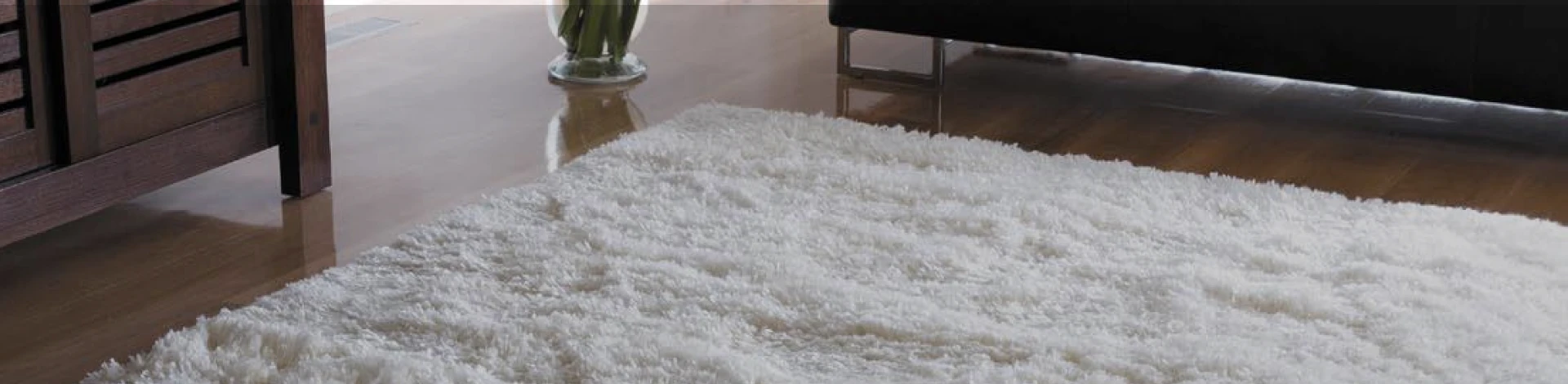
Fake animal fur rugs, also known as faux fur rugs, represent a synthetic alternative to rugs made from genuine animal hides. Positioned within the broader textile and floor coverings industry, these rugs primarily function as decorative elements, providing warmth and aesthetic appeal. Their construction typically involves a woven or knitted base fabric onto which acrylic, polyester, or modacrylic fibers are secured, meticulously mimicking the appearance and texture of natural animal fur. Core performance characteristics include pile height, fiber density, colorfastness, and durability against abrasion and compression. The industry’s increasing focus on ethical sourcing, sustainability, and affordability drives demand for high-quality faux fur rugs, challenging traditional natural fur options. Key pain points for manufacturers include achieving realistic fur textures, maintaining consistent color reproduction, and mitigating shedding during use and cleaning. Consumer concerns revolve around hypoallergenic properties, ease of maintenance, and long-term durability.
Material Science & Manufacturing
The primary raw materials for faux fur rugs are synthetic polymers, predominantly acrylic, polyester, and modacrylic. Acrylic fibers (polyacrylonitrile) provide a soft, wool-like feel and excellent bulk, but exhibit lower abrasion resistance and potential for pilling. Polyester, notably polyethylene terephthalate (PET), offers superior durability, resilience, and resistance to crushing, making it suitable for high-traffic areas. Modacrylic fibers, a copolymer of acrylonitrile and methyl acrylate, combine the softness of acrylic with improved flame resistance and drapeability. The base fabric is commonly polypropylene or jute, providing structural integrity.
Manufacturing typically involves several stages. First, the polymer is extruded into fibers through a spinneret, controlling fiber diameter and length. These fibers are then dyed using specialized reactive dyes to achieve the desired color palette, often employing multi-step dyeing processes for realistic fur coloration. The fibers are subsequently secured to the base fabric using various techniques. Weaving creates a dense, stable pile but can be more costly. Needle-punching mechanically interlocks the fibers, offering a cost-effective solution for lower-density rugs. Tufting, where fibers are inserted into the base fabric using needles, is a widely used method achieving medium to high pile heights. Critical parameter control during tufting includes gauge (needle density), pile height, and yarn feed rate. Post-processing includes shearing to achieve uniform pile height, brushing to create the desired texture and orientation, and backing application for enhanced stability and slip resistance. Quality control measures involve rigorous testing for colorfastness, pile retention, and shedding.
Performance & Engineering
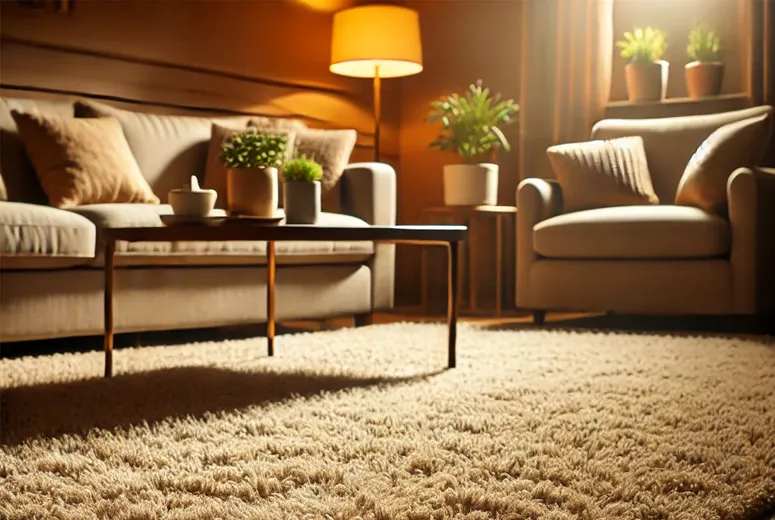
Performance of faux fur rugs is evaluated based on several key engineering principles. Force analysis considers the compressive strength of the pile, resistance to deformation under foot traffic, and rebound resilience. Pile height and density directly influence the perceived softness and thermal insulation. Environmental resistance is paramount; exposure to ultraviolet (UV) radiation can cause color fading and fiber degradation, necessitating UV stabilizers in the polymer formulation. Moisture management is crucial, as prolonged exposure to humidity can promote mold and mildew growth. The choice of backing material influences slip resistance, with latex or rubber backings providing higher coefficients of friction. Compliance requirements vary by region, often involving flammability testing (e.g., California Technical Bulletin 117) and VOC emission standards (e.g., CARB Phase II). Functional implementation includes considerations for ease of cleaning (spot cleaning vs. machine washing), stain resistance (often achieved through surface treatments), and compatibility with underfloor heating systems. Shear forces generated by foot traffic and furniture movement exert significant stress on the fiber-base fabric interface, dictating the importance of robust fiber anchoring mechanisms.
Technical Specifications
| Parameter | Unit | Typical Value (Low-End) | Typical Value (High-End) |
|---|---|---|---|
| Pile Height | mm | 20 | 60 |
| Fiber Density | g/m² | 500 | 1200 |
| Fiber Composition | - | 100% Polyester | 80% Acrylic / 20% Modacrylic |
| Colorfastness to Light | Grade (1-5) | 3 | 5 |
| Abrasion Resistance | Cycles to Wear | 5,000 | 20,000 |
| Shedding (Initial) | g/m² | 5 | 15 |
Failure Mode & Maintenance
Common failure modes in faux fur rugs include fiber shedding, matting, color fading, and delamination of the pile from the base fabric. Shedding occurs due to loose fiber ends becoming detached through abrasion and mechanical stress. Matting results from fiber deformation and entanglement under prolonged compression, reducing pile resilience. Color fading is primarily caused by UV exposure, breaking down the polymer chains responsible for color. Delamination occurs when the adhesive or mechanical bonding between the fibers and the base fabric fails, leading to pile loss. Oxidation of the polymer fibers over time can also contribute to brittleness and degradation.
Professional maintenance involves regular vacuuming with a suction-only nozzle to remove loose debris without damaging the fibers. Spot cleaning is recommended for spills, using a mild detergent and avoiding harsh chemicals. Deep cleaning can be performed using a carpet cleaner specifically designed for synthetic fibers. Preventative measures include rotating the rug to distribute wear evenly, using rug pads to provide cushioning and prevent slippage, and avoiding direct sunlight exposure. For significant delamination, professional rug repair services may be necessary, involving re-tufting or bonding of the pile. To minimize shedding, avoid excessive agitation and use a soft brush to fluff the pile periodically.
Industry FAQ
Q: What is the primary difference between acrylic and polyester faux fur in terms of durability?
A: Polyester generally exhibits superior durability and abrasion resistance compared to acrylic. While acrylic offers a softer initial hand feel, polyester fibers are less prone to pilling and maintain their structural integrity for a longer period under foot traffic. Acrylic is more susceptible to crushing and deformation.
Q: How does UV exposure affect the longevity of faux fur rugs?
A: UV radiation degrades the polymer chains in synthetic fibers, leading to color fading and reduced fiber strength. Prolonged exposure to direct sunlight can significantly shorten the lifespan of a faux fur rug. Utilizing UV stabilizers during the fiber manufacturing process can mitigate this effect.
Q: What is the best method for cleaning faux fur rugs to prevent damage?
A: Regular vacuuming with a suction-only nozzle is the most effective preventative measure. Spot cleaning with a mild detergent and cold water is recommended for spills. Avoid harsh chemicals, bleaching agents, and excessive moisture. Machine washing is possible for some rugs, but always check the manufacturer’s care instructions.
Q: How does pile height influence the performance and feel of the rug?
A: Higher pile heights generally provide a plusher, more luxurious feel underfoot and offer greater thermal insulation. However, higher piles are more prone to matting and may require more frequent cleaning. Lower pile heights are more durable and easier to maintain, but offer less cushioning.
Q: What backing materials are commonly used and how do they affect slip resistance?
A: Common backing materials include polypropylene, jute, and latex or rubber coatings. Latex and rubber backings provide the highest coefficients of friction and significantly enhance slip resistance. Polypropylene and jute offer less grip and are often used in conjunction with separate rug pads for improved safety.
Conclusion
Faux fur rugs represent a compelling alternative to natural fur, offering ethical sourcing, affordability, and design versatility. The performance characteristics of these rugs are fundamentally dictated by the choice of polymer fibers – acrylic, polyester, and modacrylic – each possessing unique properties impacting durability, aesthetics, and environmental resistance. Manufacturing processes, including fiber extrusion, dyeing, and tufting, require precise parameter control to ensure consistent quality and minimize defects. Understanding the potential failure modes, such as shedding and delamination, and implementing appropriate maintenance protocols are crucial for maximizing the lifespan and aesthetic appeal of faux fur rugs.
Future developments in this industry are likely to focus on sustainable polymer sourcing, bio-based alternatives to traditional synthetics, and advanced fiber technologies offering improved performance characteristics such as enhanced stain resistance and reduced shedding. Continued refinement of manufacturing processes will further optimize production efficiency and minimize environmental impact, solidifying the position of faux fur rugs as a prominent and responsible choice within the floor coverings market.