

fake animal skin rugs Performance Analysis
Introduction
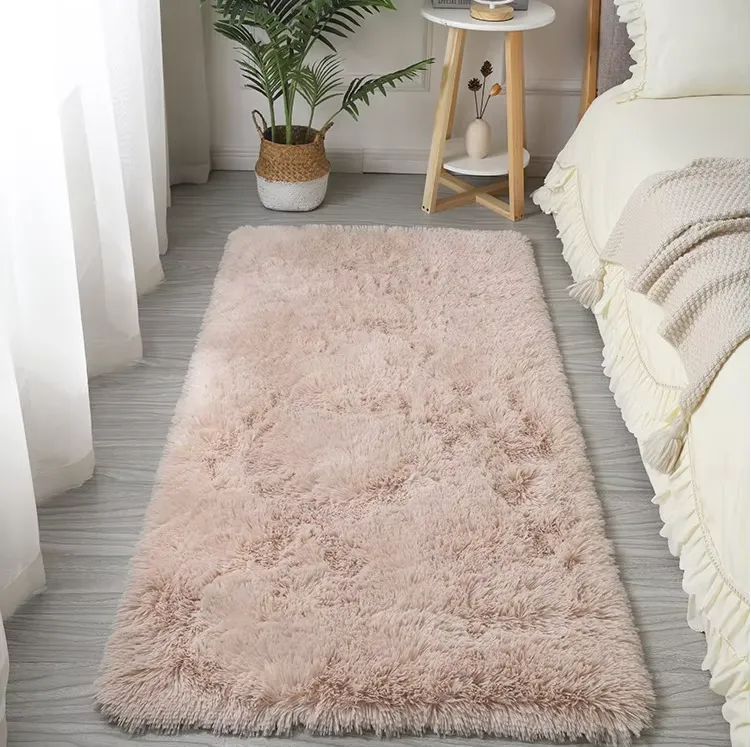
Synthetic animal skin rugs, commonly referred to as faux fur rugs, represent a significant segment within the broader decorative textile industry. These products are designed to aesthetically mimic the appearance and texture of genuine animal hides, offering a cruelty-free and often more cost-effective alternative. Their position in the supply chain involves raw material production – primarily synthetic polymers – followed by textile manufacturing processes including pile formation, backing application, and finishing treatments. Core performance characteristics center around tactile sensation, visual fidelity to natural animal hides, durability against abrasion and compression, and resistance to common household stains. Increasingly, performance expectations also encompass adherence to flammability standards and minimized environmental impact through the use of recycled materials and sustainable manufacturing practices. A key industry pain point lies in achieving a realistic aesthetic and tactile experience while ensuring long-term durability and avoiding microplastic shedding during use and laundering.
Material Science & Manufacturing
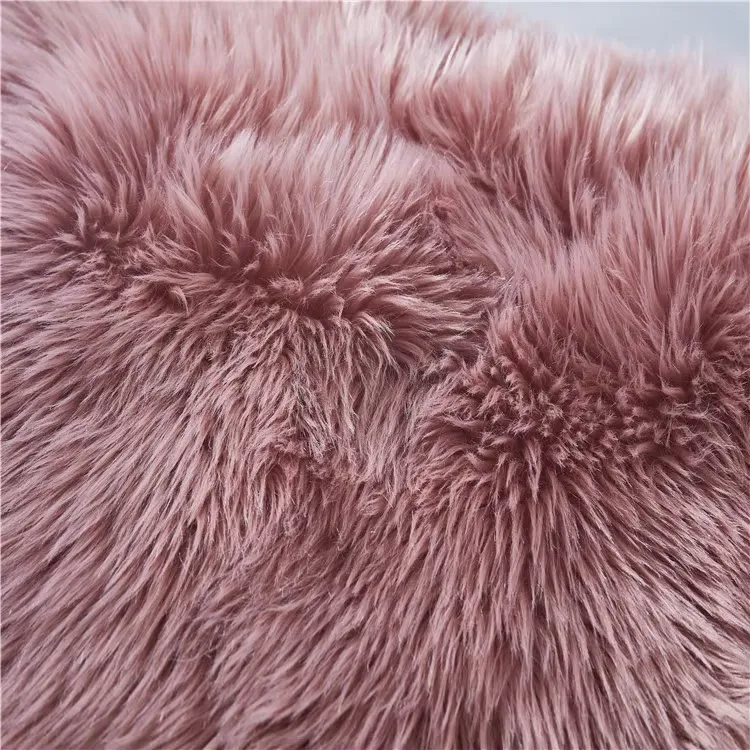
The foundational material for the majority of faux fur rugs is typically polypropylene (PP) or polyester (PET). Polypropylene offers excellent stain resistance and a relatively low cost, making it suitable for high-traffic areas. Polyester provides a softer texture and better color retention. Acrylic fibers are also used, though less commonly, due to their lower resilience and potential for pilling. The manufacturing process begins with the polymerization of these monomers into long-chain polymers. These polymers are then extruded into fibers through a melt-spinning process. Fiber denier (thickness) is a critical parameter, influencing the softness and pile density. Following fiber production, the fibers are dyed using specialized dyes formulated for synthetic materials, ensuring colorfastness and resistance to fading. Pile formation is achieved through several methods, including weft knitting, warp knitting, and tufting. Tufting is the most prevalent method for producing high-pile faux fur rugs. This involves inserting loops of yarn into a primary backing material – typically polypropylene or jute – using a tufting needle. The loops are then sheared to create a cut-pile surface, mimicking the appearance of animal fur. A secondary backing, often a latex or polyurethane foam layer, is applied to provide cushioning, stability, and prevent slippage. Parameter control is paramount at each stage. Precise temperature control during extrusion affects fiber strength and uniformity. Dye bath concentration and duration dictate color intensity and uniformity. Tufting density (stitches per square inch) directly impacts pile density and perceived quality. Final finishing treatments include brushing, grooming, and anti-static applications.
Performance & Engineering
The performance of faux fur rugs is dictated by several engineering considerations. Tensile strength, measured according to ASTM D4266, is critical for resisting tearing and damage during use. Abrasion resistance, assessed using methods like the Taber Abraser (ASTM D3886), determines the rug's ability to withstand foot traffic and wear. Pile crush resistance is a significant concern; the rug's ability to recover its original loft after being subjected to compressive forces impacts its aesthetic appearance and longevity. This is often assessed through standardized indentation tests. Flammability is a crucial safety parameter governed by standards like California Technical Bulletin 117 and NFPA 701. Faux fur rugs must meet specific requirements for flame spread and smoke development. Environmental resistance involves assessing resistance to UV degradation (ASTM G154) which can cause color fading and fiber embrittlement. Dimensional stability, evaluated through washing and drying cycles (AATCC 132), ensures that the rug maintains its shape and size. Chemical resistance, pertaining to common household cleaning agents, is also important. Force analysis determines the load-bearing capacity and resilience of the backing materials. Proper backing selection prevents delamination and enhances overall rug durability. Compliance requirements include VOC emission standards (California Section 01350) to minimize indoor air pollution and adherence to restrictions on harmful substances like phthalates and azo dyes (REACH regulation in Europe).
Technical Specifications
| Parameter | Polypropylene (PP) | Polyester (PET) | Acrylic | Units |
|---|---|---|---|---|
| Fiber Denier | 2-10 | 1-8 | 3-15 | dtex |
| Pile Height | 20-60 | 20-50 | 25-40 | mm |
| Pile Density | 800-2000 | 900-2200 | 600-1800 | stitches/sq.in |
| Tensile Strength (Warp/Weft) | 25/20 | 30/25 | 20/15 | lbs |
| Abrasion Resistance (Taber Abraser) | 150-250 | 200-300 | 100-200 | cycles to wear |
| Flammability (Flame Spread) | < 450 | < 450 | < 450 | mm/min |
Failure Mode & Maintenance
Common failure modes in faux fur rugs include fiber shedding, pile crush, delamination of the backing, and color fading. Fiber shedding occurs due to low fiber tenacity or inadequate fiber locking within the backing. Pile crush results from prolonged compressive stress, causing the fibers to lose their resilience. Delamination occurs when the adhesive bond between the pile and the backing fails, often exacerbated by moisture exposure. Color fading is caused by UV degradation and exposure to harsh cleaning agents. Oxidation of the polymer chains can lead to brittleness and reduced flexibility. Microplastic shedding, a growing concern, arises from the breakage of fibers during use and laundering, contributing to environmental pollution. Preventative maintenance involves regular vacuuming to remove loose debris and prevent matting. Avoid excessive exposure to direct sunlight to minimize UV degradation. Spot cleaning with mild detergent and water is recommended for spills. Professional cleaning using dry cleaning methods is preferred for thorough cleaning without damaging the fibers. Avoid harsh chemicals and abrasive cleaners. To address delamination, re-gluing the backing with a suitable adhesive may provide a temporary fix, but complete replacement is often the most durable solution. Regular fluffing and brushing can help restore pile loft and prevent matting. Proper storage in a cool, dry place will help to extend the rug's lifespan.
Industry FAQ
Q: What is the primary difference between polypropylene and polyester faux fur rugs in terms of durability and stain resistance?
A: Polypropylene generally exhibits superior stain resistance due to its hydrophobic nature, meaning it repels water-based stains more effectively. However, polyester typically offers slightly better resilience and resistance to abrasion, leading to a potentially longer lifespan under heavy foot traffic. The choice depends on the intended use environment; polypropylene is ideal for homes with children or pets, while polyester is preferred for areas where appearance and long-term wear are prioritized.
Q: How does the pile density affect the overall quality and feel of a faux fur rug?
A: Higher pile density (more stitches per square inch) generally translates to a plusher, more luxurious feel and a more realistic appearance. It also contributes to increased durability, as a denser pile is less prone to matting and fiber loss. However, excessively high pile density can also make the rug more difficult to clean and potentially increase shedding initially.
Q: What flammability standards are most relevant for faux fur rugs sold in the United States?
A: The most important flammability standard is California Technical Bulletin 117, which governs the flammability of upholstery materials, including rugs. NFPA 701 is also relevant, particularly for large area rugs used in public spaces. Compliance with these standards ensures that the rug meets minimum safety requirements for flame spread and smoke development.
Q: What are the environmental concerns associated with faux fur rugs, and what are manufacturers doing to address them?
A: The primary environmental concern is microplastic shedding during use and laundering, contributing to plastic pollution in waterways. Manufacturers are addressing this through several initiatives, including using higher-quality fibers with improved tenacity, developing backing materials that minimize fiber loss, and exploring biodegradable or bio-based polymer alternatives. Using recycled materials in the fiber construction is also becoming increasingly common.
Q: How can I properly care for a faux fur rug to maximize its lifespan and maintain its appearance?
A: Regular vacuuming with a brush attachment is essential to remove dust and debris. Avoid harsh chemicals and abrasive cleaners. Spot clean spills immediately with mild detergent and water. Professional dry cleaning is recommended for thorough cleaning. Protect the rug from direct sunlight to prevent fading. Periodically fluff and brush the pile to restore its loft.
Conclusion
Synthetic animal skin rugs have evolved significantly from early iterations, driven by advancements in polymer science and textile manufacturing techniques. The core performance criteria revolve around achieving a realistic aesthetic, ensuring long-term durability, and minimizing environmental impact. The selection of appropriate raw materials – polypropylene, polyester, or acrylic – coupled with precise control over manufacturing parameters like fiber denier, pile density, and backing adhesion, is critical for optimizing these characteristics. Addressing emerging concerns, such as microplastic shedding and VOC emissions, will be paramount for the continued success of this product category.
Future development will likely focus on incorporating sustainable materials, improving fiber locking mechanisms to reduce shedding, and enhancing resistance to wear and tear. The integration of smart textiles, such as those with self-cleaning or antimicrobial properties, could also add value. Continued adherence to stringent quality control standards and proactive engagement with evolving environmental regulations will be essential for ensuring that faux fur rugs remain a viable and responsible choice for consumers.