


Fake Fur Carpet Material Science
Introduction
Fake fur carpet, also known as faux fur carpeting, represents a synthetic alternative to natural animal hides used as floor coverings. Positioned within the broader textile and floor covering industry, its manufacturing diverges from traditional wool or animal-skin processing, relying heavily on petrochemical-derived polymers. Core performance characteristics center around aesthetic appeal—mimicking the look and feel of real fur—thermal insulation, and relatively low cost compared to genuine fur. Crucially, the product addresses growing ethical concerns surrounding animal welfare and provides a hypoallergenic option for consumers susceptible to animal dander. Its increasing prevalence is driven by advancements in polymer technology enabling improved texture, durability, and colorfastness, thereby extending its application beyond purely decorative roles to include high-traffic areas and commercial spaces. The industry faces ongoing challenges concerning microplastic shedding and the long-term environmental impact of polymer-based materials, necessitating research into biodegradable and recycled alternatives.
Material Science & Manufacturing
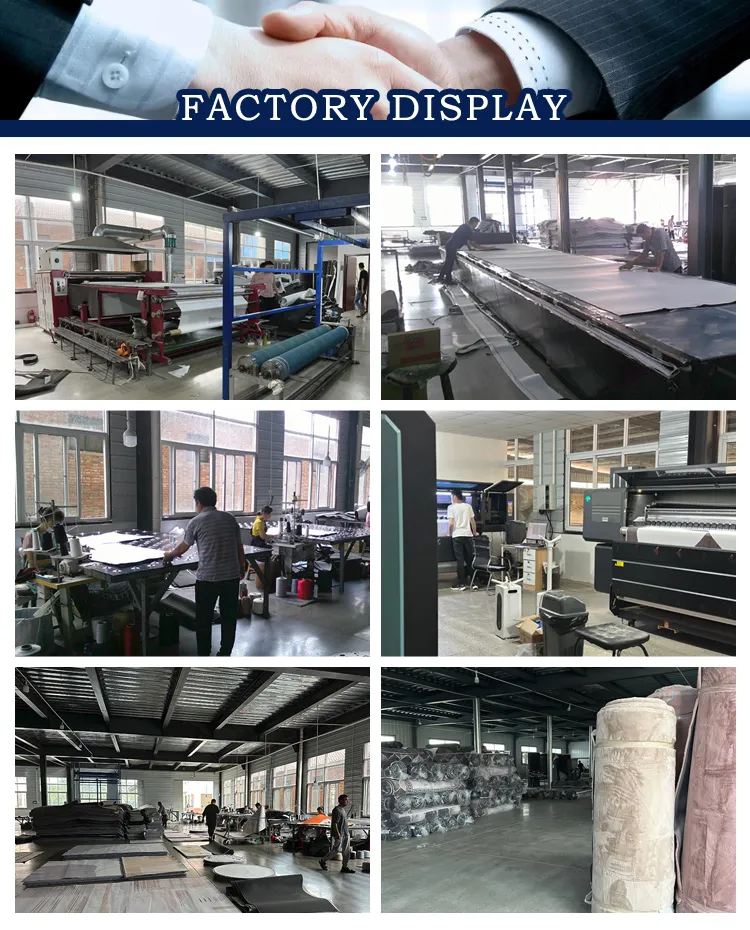
The foundational materials for fake fur carpet are predominantly polymers, with polypropylene (PP) and modacrylic acrylic fibers being the most common. PP offers cost-effectiveness and decent resilience, but exhibits limited dyeability and can be susceptible to UV degradation. Modacrylic acrylic fibers demonstrate superior dye uptake, flame retardancy, and a softer texture, but are generally more expensive. Polyester is also employed, often in blends, to enhance bulk and improve the carpet's overall hand. Manufacturing begins with polymer extrusion. In the case of PP and polyester, this involves melting the polymer and forcing it through spinnerets to create continuous filaments. These filaments are then crimped – a crucial step to provide the bulk and texture mimicking natural fur – using processes like stuffer box crimping or air-jet texturing. Modacrylic fibers undergo a similar process but typically incorporate a co-polymerization step to introduce functional groups enhancing their properties. Following fiber production, the fibers are tufted into a primary backing, usually polypropylene or jute. The tufting process employs needles to insert loops of fiber through the backing material. These loops are then sheared to create a cut-pile carpet, or left intact for a loop-pile construction. A secondary backing, often a latex or polyurethane coating, is applied for dimensional stability and durability. Final processing includes dyeing, printing (for patterned carpets), and finishing treatments to enhance stain resistance and softness. Critical parameters during manufacturing include fiber denier (thickness), pile height, tuft density, and the composition of the secondary backing – each directly impacting the final product's performance and longevity. Precise control of extrusion temperature and cooling rates is vital for consistent fiber quality.
Performance & Engineering
The performance of fake fur carpet is dictated by several engineering considerations. Force analysis focuses on pile resilience and compressive strength. The pile height and fiber density directly correlate with the carpet’s ability to recover from foot traffic and maintain its aesthetic appearance. Compressive strength, determined through ASTM D3891, dictates its suitability for different traffic levels. Environmental resistance is a key concern. UV exposure leads to polymer degradation, causing color fading and fiber embrittlement. This is mitigated through the incorporation of UV stabilizers during the polymer extrusion process. Moisture resistance is generally good due to the hydrophobic nature of the polymers used, but prolonged exposure to moisture can promote mildew growth on the backing material. Flammability is addressed through the use of flame-retardant additives, with testing conducted according to standards like NFPA 701. Compliance requirements are driven by indoor air quality regulations (e.g., CARB Phase II), requiring low VOC emissions from the carpet and backing materials. Static electricity build-up can be a problem, particularly in dry environments, leading to discomfort and dust attraction. Antistatic treatments are frequently applied to counteract this. Furthermore, the carpet's dimensional stability, assessed via shrinkage tests (ASTM D1335), is essential to prevent buckling or distortion after installation. The backing material’s tensile strength and delamination resistance (ASTM D6891) contribute significantly to overall durability.
Technical Specifications
| Parameter | Polypropylene (PP) | Modacrylic Acrylic | Polyester | Typical Range |
|---|---|---|---|---|
| Fiber Denier (dtex) | 150-300 | 220-440 | 200-330 | 150-440 |
| Pile Height (mm) | 20-50 | 25-60 | 20-45 | 20-60 |
| Tuft Density (tufts/100cm²) | 120-200 | 150-250 | 100-180 | 100-250 |
| Total Weight (g/m²) | 800-1500 | 1200-2000 | 700-1400 | 700-2000 |
| Tensile Strength (N/50mm) | 8-15 | 12-20 | 7-14 | 7-20 |
| Colorfastness to Light (Grey Scale Rating) | 4-5 | 5-6 | 4-5 | 4-6 |
Failure Mode & Maintenance
Fake fur carpet is susceptible to several failure modes. Fatigue cracking occurs in high-traffic areas due to repeated compression and bending of the fibers, leading to fiber breakage and pile loss. This is exacerbated by lower fiber denier and tuft density. Delamination of the secondary backing is a common issue, particularly with latex-based backings exposed to moisture or temperature fluctuations. Degradation of the polymer fibers, especially PP, under prolonged UV exposure results in discoloration, brittleness, and reduced strength. Oxidation of the polymers, accelerated by exposure to ozone and pollutants, further contributes to fiber deterioration. Microplastic shedding represents an emerging concern; abrasive forces during use release microscopic plastic particles into the environment. Maintenance to mitigate these failures involves regular vacuuming to remove abrasive particles and prevent matting. Spot cleaning with mild detergents is recommended for stain removal, avoiding harsh chemicals that can damage the fibers. Professional cleaning using hot water extraction can periodically restore pile appearance and remove deeply embedded dirt. For delamination, re-gluing the secondary backing may provide a temporary fix, but complete replacement is often necessary. Preventative measures include using entrance mats to reduce abrasive particle ingress, minimizing direct sunlight exposure, and selecting carpets with higher UV stabilizers and robust secondary backings. Addressing microplastic shedding requires developing more durable fibers and implementing effective filtration systems during washing and cleaning.
Industry FAQ
Q: What are the primary differences between polypropylene and modacrylic fake fur carpets in terms of durability and lifespan?
A: Modacrylic acrylic fibers generally offer superior durability and a longer lifespan compared to polypropylene. While PP is more cost-effective, it is more susceptible to UV degradation and fiber breakage under consistent abrasion. Modacrylic exhibits better resilience, colorfastness, and inherent flame retardancy, translating into a carpet that maintains its aesthetic appearance and structural integrity for a longer period, typically 5-10 years compared to PP's 3-7 years under similar conditions.
Q: How does the backing material affect the overall performance and longevity of fake fur carpet?
A: The backing material is critical for dimensional stability and resistance to delamination. Latex backings are cost-effective but prone to degradation from moisture and temperature changes. Polyurethane backings provide superior water resistance and durability, significantly extending the carpet's lifespan. Woven polypropylene backings offer excellent strength and are less susceptible to moisture damage but can be more expensive. The quality and adhesion of the backing directly impact the carpet's ability to withstand wear and tear.
Q: What are the implications of microplastic shedding from fake fur carpets, and are there any mitigation strategies?
A: Microplastic shedding is a significant environmental concern as these particles contribute to plastic pollution in both indoor and outdoor environments. Abrasion during use releases microscopic fibers into the air and onto surfaces. Mitigation strategies include selecting carpets with higher fiber denier and tighter tuft constructions to reduce shedding. Implementing regular, effective vacuuming with HEPA filters to capture released particles is crucial. Research is ongoing into developing biodegradable polymer fibers and applying surface treatments to minimize fiber loss.
Q: How do different pile heights and densities affect the performance and comfort of fake fur carpet?
A: Higher pile heights generally provide a plusher, more luxurious feel underfoot but can be more prone to matting and require more frequent vacuuming. Lower pile heights are more durable and easier to clean but offer less cushioning. Higher tuft densities contribute to increased durability, better resilience, and a more uniform appearance. Optimizing the balance between pile height and density is crucial for achieving the desired performance characteristics and comfort level.
Q: What tests are typically conducted to ensure fake fur carpet meets indoor air quality standards (e.g., VOC emissions)?
A: To ensure compliance with indoor air quality standards, fake fur carpets undergo testing for Volatile Organic Compound (VOC) emissions. Commonly used tests include ASTM D5116 (Standard Guide for Small-Scale Environmental Chamber VOC Emission Procedures) and CARB Section 01350 (California Department of Public Health Standard for the Testing Methods for the Volatile Organic Compound Emissions from Composite Wood Products). These tests measure the amount of various VOCs released by the carpet over a specified period, ensuring they fall within acceptable limits.
Conclusion
Fake fur carpet represents a significant advancement in synthetic floor coverings, offering a compelling blend of aesthetic appeal, cost-effectiveness, and ethical considerations. Its performance characteristics are deeply rooted in the underlying material science, with polymer selection and manufacturing processes dictating its durability, resilience, and environmental impact. Addressing the emerging challenges associated with microplastic shedding and UV degradation will be crucial for the long-term sustainability of this product category.
Future development will likely focus on bio-based polymers, enhanced fiber technologies that minimize shedding, and improved backing materials that offer superior durability and water resistance. Further research into methods for recycling and responsibly disposing of fake fur carpets at the end of their lifecycle is also essential to reduce their environmental footprint and align with circular economy principles.