

fake skin rug Performance Analysis
Introduction
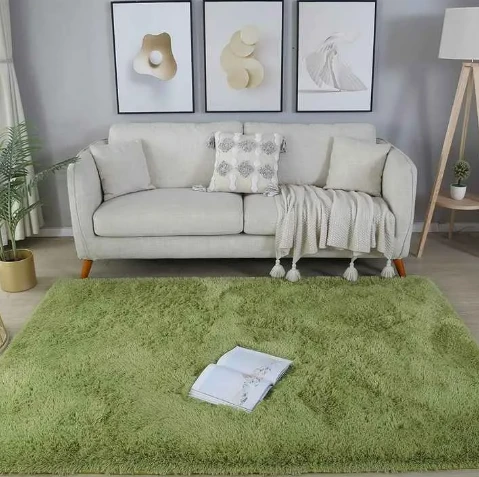
Fake skin rugs, also known as faux fur rugs or synthetic sheepskin rugs, represent a significant segment within the broader floor covering industry. Positioned as an alternative to genuine animal hide, these rugs are constructed from manufactured fibers designed to mimic the texture and appearance of natural animal fur. Their primary function is decorative, offering a sense of warmth and luxury to interior spaces. Technically, these rugs fall under the classification of textile floor coverings, differentiated by their pile construction and synthetic material composition. Core performance characteristics include tactile comfort, aesthetic appeal, durability to foot traffic, and resistance to shedding. The industry faces ongoing challenges regarding material sourcing, achieving realistic aesthetics, and addressing concerns about microplastic release during use and laundering.
Material Science & Manufacturing
The foundation of a fake skin rug lies in its fiber composition, primarily utilizing acrylic, polyester, or polypropylene. Acrylic fibers, historically favored for their wool-like texture, offer good bulk and dyeability but possess lower abrasion resistance. Polyester provides enhanced durability and stain resistance, becoming increasingly prevalent in higher-quality rugs. Polypropylene is cost-effective and resistant to moisture, often used in rugs intended for high-traffic areas or outdoor use. Manufacturing typically involves several stages. Fiber production begins with polymer extrusion, forming continuous filaments. These filaments are then crimped to create texture and bulk. The crimped fibers are subsequently tufted into a primary backing material, commonly polypropylene or jute. A latex adhesive secures the tufts, and a secondary backing, often felt or rubber, is applied to enhance stability and provide cushioning. Key parameter control includes maintaining consistent fiber denier (thickness), precise tuft density, and uniform adhesive application. Pile height is critical, typically ranging from 20mm to 60mm, influencing the rug's aesthetic and tactile properties. Finishing processes, such as shearing and brushing, refine the pile and create a desired appearance. The longevity and perceived quality of the rug heavily depend on the quality of the base materials and precision in the manufacturing process.

Performance & Engineering
Performance assessment of fake skin rugs requires consideration of several engineering factors. Load-bearing capacity, while not structural in the traditional sense, dictates the rug’s ability to withstand sustained foot traffic without significant matting or fiber displacement. This is influenced by pile density and fiber resilience. Environmental resistance encompasses colorfastness to light exposure (UV degradation), resistance to water absorption and staining, and ability to withstand temperature fluctuations. Polyester exhibits superior UV resistance compared to acrylic. Flammability is a critical safety concern, governed by standards like California Proposition 65 and European EN 14041. Rugs are typically treated with flame retardants to meet these regulations. Dimensional stability, measured by changes in length and width under varying humidity conditions, is essential to prevent warping or buckling. Microplastic shedding represents an emerging environmental concern. Fibers released during use and laundering contribute to microplastic pollution, necessitating research into fiber locking technologies and alternative material compositions. Engineers are focusing on developing more durable and tightly bound pile structures to minimize shedding and enhance the overall lifespan of these products.
Technical Specifications
| Parameter | Acrylic Fiber Rug | Polyester Fiber Rug | Polypropylene Fiber Rug | Unit |
|---|---|---|---|---|
| Pile Height | 20-50 | 30-60 | 15-40 | mm |
| Pile Density | 800-1200 | 1000-1500 | 600-1000 | grams/m² |
| Fiber Denier | 2-3 | 3-4 | 2-3 | dtex |
| Tensile Strength (Pile) | 60-80 | 80-120 | 40-60 | cN/tex |
| Colorfastness to Light (ISO 105-B02) | 4-5 | 6-7 | 5-6 | Grade (1-8) |
| Water Absorption | 5-8 | 1-3 | 0.5-2 | % (24hr) |
Failure Mode & Maintenance
Fake skin rugs are susceptible to several failure modes. Fiber shedding, particularly in acrylic rugs, is a common issue, resulting in a diminished pile and potential aesthetic degradation. Pile crushing, caused by sustained pressure, leads to matting and loss of resilience. This is more pronounced in areas of high foot traffic. Color fading, due to UV exposure, affects the aesthetic appeal and can lead to uneven coloration. Staining, especially from oil-based substances, can be difficult to remove, particularly with acrylic fibers. Delamination of the backing layers can occur due to adhesive failure, leading to instability and potential unraveling. Oxidation of the fibers, particularly polypropylene, can cause embrittlement and cracking over time. Maintenance recommendations include regular vacuuming to remove debris and minimize fiber shedding. Prompt stain removal is crucial, utilizing appropriate cleaning agents specific to the fiber type. Avoid prolonged direct sunlight exposure. Professional cleaning is recommended annually to restore pile loft and remove embedded dirt. For significant delamination, professional rug repair services are advised.
Industry FAQ
Q: What is the primary difference between acrylic and polyester fake fur in terms of longevity?
A: Polyester generally exhibits superior longevity compared to acrylic. Acrylic fibers are more prone to shedding, matting, and degradation from UV exposure. Polyester possesses higher tensile strength, abrasion resistance, and colorfastness, resulting in a rug that maintains its appearance and structural integrity for a longer period.
Q: How does the backing material affect the overall performance of the rug?
A: The backing material is critical for stability and cushioning. A high-quality latex adhesive ensures secure tuft binding, preventing fiber loss. A secondary backing, such as felt or rubber, provides cushioning, prevents slipping, and enhances dimensional stability. Inferior backings can lead to delamination and unraveling.
Q: What steps can be taken to mitigate microplastic shedding from these rugs?
A: Mitigating microplastic shedding is a significant challenge. Manufacturers are exploring fiber locking technologies, tighter tuft densities, and alternative fiber compositions. Consumers can reduce shedding by regular vacuuming with a HEPA filter and washing rugs in a laundry bag designed to capture microfibers.
Q: Are there flammability standards that these rugs must meet, and how are they enforced?
A: Yes, flammability is strictly regulated. Standards like California Proposition 65 and European EN 14041 dictate acceptable flammability levels. Rugs are typically treated with flame retardants. Compliance is enforced through testing by accredited laboratories and labeling requirements.
Q: What is the impact of pile height on the feel and maintenance of a fake skin rug?
A: Higher pile heights (40-60mm) provide a plusher, more luxurious feel but can be more challenging to clean and are prone to matting. Lower pile heights (20-30mm) offer a firmer feel, are easier to maintain, and are more resistant to crushing. The optimal pile height depends on the intended use and aesthetic preference.
Conclusion
Fake skin rugs represent a versatile and cost-effective alternative to natural fur, offering aesthetic appeal and tactile comfort. Their performance characteristics are fundamentally tied to the material science – specifically the choice of acrylic, polyester, or polypropylene – and the precision of the manufacturing process. Understanding the nuances of fiber properties, pile construction, and backing materials is crucial for selecting a rug that meets specific application requirements.
Ongoing innovation focuses on enhancing durability, minimizing microplastic shedding, and improving environmental sustainability. Future developments will likely include the exploration of biodegradable fiber alternatives and advanced tufting technologies to create more resilient and long-lasting products. Addressing concerns related to environmental impact and promoting responsible material sourcing will be critical for the long-term viability of the fake skin rug industry.