


faux animal hide Performance Engineering
Introduction
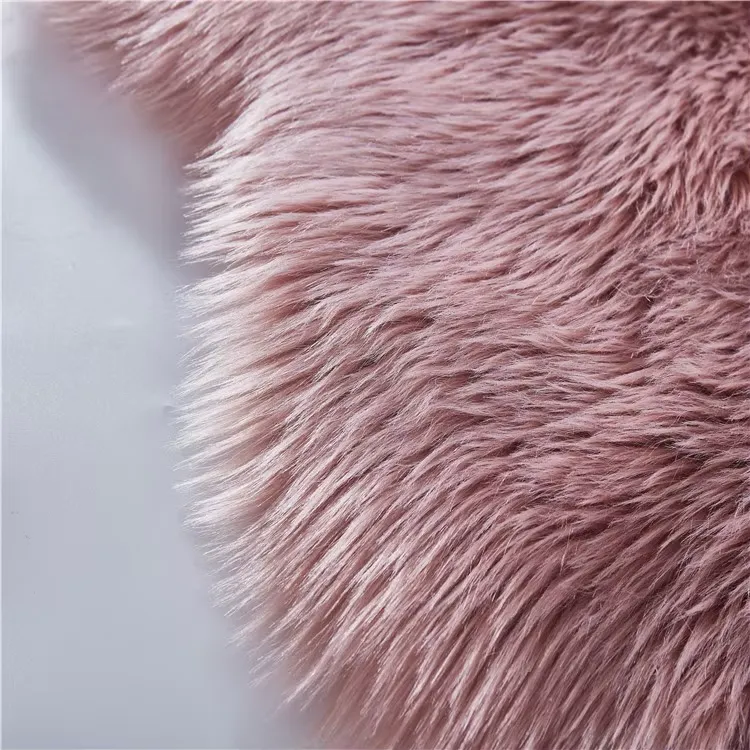
Faux animal hide, also commonly referred to as artificial leather, vegan leather, or pleather, represents a class of materials engineered to visually and tactically replicate the properties of genuine animal hides. Its position within the materials supply chain is as a direct substitute, targeting applications in upholstery, automotive interiors, fashion accessories, and protective coverings. While traditionally based on polyvinyl chloride (PVC), modern formulations increasingly employ polyurethane (PU) as the core polymer due to environmental and performance advantages. Core performance characteristics center around aesthetic similarity to natural leather, durability in various environments, cost-effectiveness, and the elimination of ethical concerns associated with animal products. A significant industry pain point revolves around balancing realistic aesthetics with longevity, especially concerning abrasion resistance, UV stability, and resistance to cracking or peeling. Another challenge is accurately communicating material composition and performance characteristics to end-users to avoid misinterpretations regarding expected lifespan and care requirements.
Material Science & Manufacturing
The foundational material for faux leather is typically either PVC or PU. PVC-based faux leather consists of a PVC resin blended with plasticizers (phthalates historically, increasingly non-phthalate alternatives) to impart flexibility, stabilizers to prevent degradation, and pigments for coloration. A woven textile backing, commonly polyester or cotton, provides structural support. PU-based faux leather utilizes a polyurethane coating applied to a similar textile substrate. The PU formulations vary considerably, ranging from water-based to solvent-based, impacting environmental considerations and performance. Manufacturing processes differ based on the chosen polymer. PVC production involves calendaring – forcing the softened PVC compound through rollers to create a sheet – then fusing it to the textile backing using heat and pressure. PU faux leather is manufactured using methods like direct coating (applying PU directly to the fabric), transfer coating (coating PU onto a release paper, then bonding it to the fabric), or microfibre PU (creating a suede-like texture through specialized coating techniques). Key parameter control during manufacturing includes maintaining consistent coating thickness, precise temperature regulation during fusion, and careful control of plasticizer content in PVC to ensure optimal flexibility and prevent migration. The quality of the textile backing also significantly impacts the final product’s tear strength and dimensional stability. Chemical compatibility of the plasticizers and stabilizers with the polymer matrix is crucial for preventing degradation and maintaining the material’s flexibility over time.

Performance & Engineering
The performance of faux animal hide is critically assessed through several engineering parameters. Tensile strength, measured in MPa, determines resistance to tearing and deformation under stress. Abrasion resistance, often assessed using the Taber abrasion test (measured in cycles to failure), dictates the material’s durability against wear and tear. Flexural modulus evaluates the material’s stiffness and resistance to bending. Environmental resistance encompasses UV stability (measured by color change after exposure to UV radiation according to ASTM G154), resistance to hydrolysis (degradation due to water exposure), and resistance to chemical attack (exposure to solvents, cleaning agents, and oils). Compliance requirements vary by application. Automotive applications necessitate adherence to FMVSS 302 flammability standards. Upholstery applications are often subject to California Technical Bulletin 117 for flammability. Force analysis during design considerations must account for expected loads and stresses, factoring in the material's creep behavior (time-dependent deformation under constant load). The selection of backing fabric impacts dimensional stability and tear resistance; higher-density weaves generally provide superior performance. The choice between PVC and PU significantly influences performance; PU typically exhibits better flexibility, abrasion resistance, and lower temperature flexibility than PVC.
Technical Specifications
| Parameter | PVC Faux Leather (Typical) | PU Faux Leather (Typical) | Genuine Leather (Full Grain) |
|---|---|---|---|
| Tensile Strength (MPa) | 20-30 | 35-50 | 40-80 |
| Abrasion Resistance (Taber Cycles) | 500-1000 | 1500-3000 | 5000+ |
| Flexural Modulus (MPa) | 100-200 | 200-300 | 300-500 |
| UV Resistance (Color Change - ΔE) | >5 after 500 hours | <3 after 500 hours | <2 after 500 hours |
| Water Vapor Transmission Rate (g/m²/24h) | 5-10 | 10-20 | Variable, dependent on treatment |
| Operating Temperature Range (°C) | -20 to 70 | -30 to 80 | -20 to 60 |
Failure Mode & Maintenance
Common failure modes in faux animal hide include cracking, peeling, discoloration, and loss of flexibility. Cracking and peeling are often initiated by plasticizer migration in PVC-based materials, leading to embrittlement and subsequent failure. UV exposure causes polymer chain scission, resulting in discoloration and reduced mechanical properties. Hydrolysis, particularly in PU materials exposed to high humidity, leads to polymer degradation and a loss of structural integrity. Abrasion causes wear and eventual failure of the surface coating. Fatigue cracking can occur under repeated stress or flexing. Failure analysis often reveals the root cause as a combination of environmental factors and material defects. Maintenance strategies include regular cleaning with mild soap and water, avoiding harsh chemicals and abrasive cleaners, and protecting the material from prolonged exposure to direct sunlight and extreme temperatures. For minor scratches, specialized vinyl repair kits can be used. Preventative measures include selecting materials with appropriate UV stabilizers and plasticizer content for the intended application environment. Regular inspection for signs of cracking or peeling can allow for timely intervention and prevent catastrophic failure. The lifespan of faux leather is significantly influenced by the quality of the base materials, the manufacturing process, and the severity of the operating environment.
Industry FAQ
Q: What is the primary difference between PVC and PU faux leather in terms of durability and longevity?
A: PU faux leather generally offers superior durability and longevity compared to PVC faux leather. PU is more flexible, exhibits better abrasion resistance, and is less prone to cracking and hardening due to plasticizer migration. While PVC is initially more cost-effective, the shorter lifespan and reduced performance of PVC often result in a higher lifecycle cost.
Q: How does faux leather perform in high-temperature environments, such as automotive interiors exposed to direct sunlight?
A: Performance in high-temperature environments varies significantly depending on the formulation. Standard PVC faux leather can become brittle and prone to cracking under prolonged exposure to high heat. PU faux leather, particularly formulations with enhanced thermal stability, exhibits better resistance. However, even high-performance PU materials may experience some degradation over time, leading to discoloration or a slight loss of flexibility.
Q: What are the environmental considerations associated with faux leather production, and are there eco-friendly alternatives?
A: Traditional PVC production involves the use of phthalate plasticizers, which are associated with environmental and health concerns. PU production often utilizes solvents, which can contribute to volatile organic compound (VOC) emissions. Eco-friendly alternatives include water-based PU formulations, bio-based PU materials derived from renewable resources, and recycled content faux leathers. However, even these alternatives have environmental footprints related to raw material sourcing and manufacturing processes.
Q: How does the choice of backing fabric impact the performance of faux leather?
A: The backing fabric plays a crucial role in providing structural support and influencing tear strength, dimensional stability, and overall durability. Polyester knit fabrics are commonly used for their high tensile strength and resistance to stretching. Cotton fabrics offer good breathability but may be less durable. The weight and weave density of the backing fabric directly correlate with performance characteristics.
Q: What testing standards are used to assess the quality and performance of faux leather materials?
A: Common testing standards include ASTM D6400 for tensile and tear strength, ASTM D3884 for abrasion resistance (Taber abrasion), ASTM G154 for UV resistance, and ISO 4589 for assessing resistance to staining. Flammability testing is performed according to standards like FMVSS 302 (automotive) and California Technical Bulletin 117 (upholstery). Chemical resistance is typically evaluated using specific testing protocols based on anticipated exposure conditions.
Conclusion
Faux animal hide represents a versatile material solution offering a compelling alternative to genuine leather, driven by economic, ethical, and performance considerations. The selection between PVC and PU, along with careful consideration of manufacturing parameters and material formulations, are paramount to achieving desired performance characteristics. Understanding failure modes and implementing appropriate maintenance strategies are essential for maximizing the lifespan and value of faux leather products.
Continued innovation in polymer science and manufacturing techniques promises to further enhance the performance and sustainability of faux leather materials. The development of bio-based and recycled content alternatives will address growing environmental concerns and contribute to a more circular economy. Furthermore, advancements in surface treatments and coating technologies will improve abrasion resistance, UV stability, and overall durability, narrowing the performance gap between faux and genuine leather.