

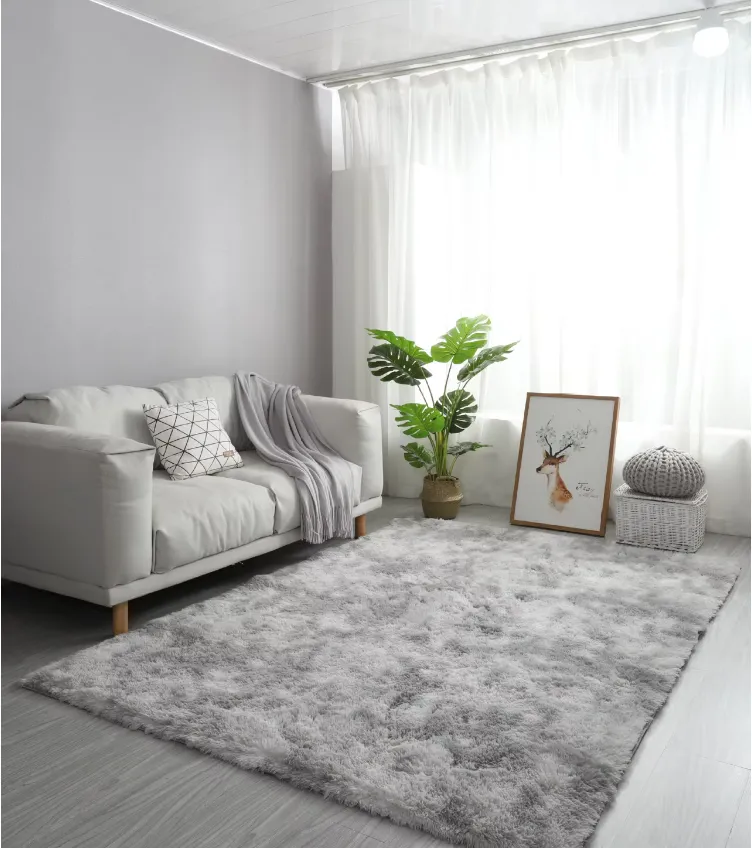
faux fur floor rug Performance and Engineering

Introduction
Faux fur floor rugs represent a significant segment within the broader textile and floor covering industry, functioning as decorative and comfort-enhancing elements in residential and commercial spaces. Unlike traditional animal hide rugs, these are manufactured using synthetic fibers engineered to mimic the appearance and texture of animal fur. Their technical position lies in providing an aesthetically pleasing and often more ethically sourced alternative to genuine fur, addressing both consumer demand for luxury and increasing concerns regarding animal welfare and sustainability. Core performance characteristics revolve around tactile comfort, thermal insulation, aesthetic appeal, and ease of maintenance. The industry faces challenges related to achieving realistic fur replication, ensuring durability against abrasion and compression, and minimizing the environmental impact of synthetic material production.
Material Science & Manufacturing
The primary raw materials for faux fur floor rugs are synthetic polymers, most commonly acrylic, polyester, and polypropylene. Acrylic fibers (polyacrylonitrile) offer excellent bulk and a soft hand feel, closely resembling natural fur, but are susceptible to degradation from UV exposure and can pill with prolonged use. Polyester provides superior durability, resilience, and colorfastness, making it ideal for high-traffic areas, but generally lacks the inherent softness of acrylic. Polypropylene is cost-effective and exhibits good stain resistance, but its lower melting point limits its suitability for applications involving high temperatures. Manufacturing typically begins with polymer extrusion, creating filaments of varying denier (fiber thickness). These filaments are then processed through several stages: fiber cutting to a specific length, crimping to induce bulk and texture, and dyeing to achieve the desired color palette. The core manufacturing process involves pile formation, utilizing techniques such as tufting or weaving. Tufting involves inserting fiber bundles into a primary backing material, followed by coating with a secondary backing for enhanced stability and dimensional integrity. Weaving, while more complex and costly, creates a denser, more durable pile with greater pattern definition. Critical parameters during manufacturing include fiber density (pile height and weight), backing material selection (typically polypropylene or jute), and adhesive formulation (for tufted rugs), all of which directly influence the rug’s performance characteristics. Quality control focuses on ensuring consistent pile height, even color distribution, and adequate backing adhesion to prevent delamination.
Performance & Engineering
The performance of a faux fur floor rug is dictated by a complex interplay of mechanical properties and environmental resistance. Force analysis reveals that the rug’s ability to withstand compression and recover its shape (resilience) is paramount, impacting its longevity and aesthetic appearance. This resilience is directly proportional to fiber density and the quality of the backing material. Abrasion resistance, measured by the Wyzenbeek test (ASTM D4157), determines the rug’s ability to withstand wear and tear from foot traffic. Environmental resistance is crucial, encompassing factors such as UV stability, moisture resistance, and flammability. Acrylic fibers exhibit poor UV resistance, leading to fading and degradation upon prolonged exposure to sunlight. Polyester and polypropylene offer improved UV stability. Moisture resistance is important to prevent mold and mildew growth, particularly in high-humidity environments. Flammability is regulated by various standards (discussed in the Standards & Regulations section), requiring rugs to meet specific fire retardancy requirements. Compliance often involves the application of flame-retardant treatments. Functional implementation centers around providing thermal insulation – the pile structure traps air, reducing heat loss – and sound absorption, mitigating noise transmission. The rug’s pile height and density directly influence these properties. Engineering considerations include optimizing the backing structure to minimize buckling and ensure dimensional stability over time.
Technical Specifications
| Parameter | Acrylic Faux Fur | Polyester Faux Fur | Polypropylene Faux Fur | Unit |
|---|---|---|---|---|
| Pile Height | 20-50 | 20-60 | 15-40 | mm |
| Pile Weight | 600-1200 | 800-1500 | 500-1000 | g/m² |
| Fiber Denier | 2-6 | 3-8 | 4-10 | dtex |
| Abrasion Resistance (Wyzenbeek) | 500-1000 | 1500-3000 | 800-1500 | cycles |
| UV Resistance (Grey Scale Rating) | 3-5 | 5-7 | 6-8 | (1-8, 8=Excellent) |
| Flammability (Pass/Fail - ASTM E84) | Pass (with treatment) | Pass | Pass | - |
Failure Mode & Maintenance
Faux fur floor rugs are susceptible to several failure modes. The most common include pile shedding, matting (pile compression leading to a flattened appearance), color fading (particularly with acrylic fibers due to UV exposure), and delamination (separation of the pile from the backing). Fatigue cracking can occur in the backing material with repeated stress from foot traffic. Oxidation of the fibers, particularly in acrylic rugs exposed to pollutants, can lead to brittleness and discoloration. Preventive maintenance is crucial to extending the rug’s lifespan. Regular vacuuming (avoiding beater bars which can damage the pile) removes abrasive particles that contribute to wear. Spot cleaning with a mild detergent and water is recommended for spills. Professional cleaning, using a dry cleaning method, should be performed periodically to remove embedded dirt and restore pile loft. To mitigate UV damage, rugs should be placed away from direct sunlight or treated with a UV protectant spray. Delamination can be addressed (though not permanently fixed) with careful re-application of adhesive specifically designed for textile bonding. Prompt attention to spills and regular cleaning significantly reduce the likelihood of permanent staining and degradation. Long-term storage should involve rolling the rug (pile side out) and storing in a cool, dry, and well-ventilated area.
Industry FAQ
Q: What differentiates a high-quality faux fur rug from a low-quality one?
A: The primary differentiators lie in fiber quality, pile density, and backing construction. High-quality rugs utilize premium fibers like high-denier polyester for durability and a realistic feel. A higher pile density (grams per square meter) results in a plusher, more luxurious texture and improved resilience. Furthermore, a robust backing material – often a multi-layered polypropylene construction – prevents delamination and ensures dimensional stability. Look for rugs with a tight, even pile and minimal shedding upon initial use.
Q: How does the choice of fiber affect the rug's suitability for different environments?
A: Acrylic is best suited for low-traffic areas with minimal sunlight exposure due to its UV sensitivity. Polyester is a versatile choice suitable for most environments, offering good durability and colorfastness. Polypropylene is ideal for high-traffic or potentially wet areas due to its stain resistance and cost-effectiveness. Consider the specific environmental factors – sunlight, humidity, foot traffic – when selecting the appropriate fiber type.
Q: What are the key flammability standards for faux fur rugs, and how are they met?
A: Key flammability standards include ASTM E84 (Surface Burning Characteristics) and California Technical Bulletin 117 (Flammability of Seating). Rugs must meet specific flame spread and smoke development limits. Compliance is typically achieved through the application of flame-retardant treatments to the fibers or backing. It’s crucial to ensure that any treatment used meets relevant safety standards and does not compromise the rug’s other performance characteristics.
Q: What is the typical lifespan of a faux fur rug with regular use and proper maintenance?
A: A well-maintained faux fur rug, utilizing high-quality materials like polyester, can typically last between 5-10 years with regular residential use. Acrylic rugs may have a shorter lifespan (3-7 years) due to their lower durability and UV sensitivity. Lifespan is significantly influenced by traffic volume, cleaning frequency, and exposure to sunlight.
Q: Is faux fur rug backing recyclable, and what are the environmental considerations?
A: Polypropylene backing is currently challenging to recycle economically, often ending up in landfills. Jute backing is biodegradable but may require specialized composting facilities. Environmental considerations are driving research into more sustainable backing materials, such as recycled polyester or bio-based polymers. Furthermore, manufacturers are exploring processes to reduce water consumption and chemical usage during production.
Conclusion
Faux fur floor rugs offer a viable and increasingly sophisticated alternative to traditional animal hide rugs, delivering aesthetic appeal and comfort with enhanced ethical and sustainability benefits. The performance of these rugs is heavily influenced by material selection, manufacturing processes, and adherence to relevant industry standards. Understanding the nuances of fiber properties – acrylic, polyester, and polypropylene – is crucial for selecting the appropriate rug for specific applications and environmental conditions.
Ongoing research and development are focused on improving the durability, UV resistance, and recyclability of faux fur rugs, addressing key industry pain points and fostering a more sustainable approach to floor covering production. Continued innovation in fiber technology and backing materials will be instrumental in expanding the market for these versatile and aesthetically pleasing products.