

faux fur rug 8 x 10 Performance Analysis
Introduction
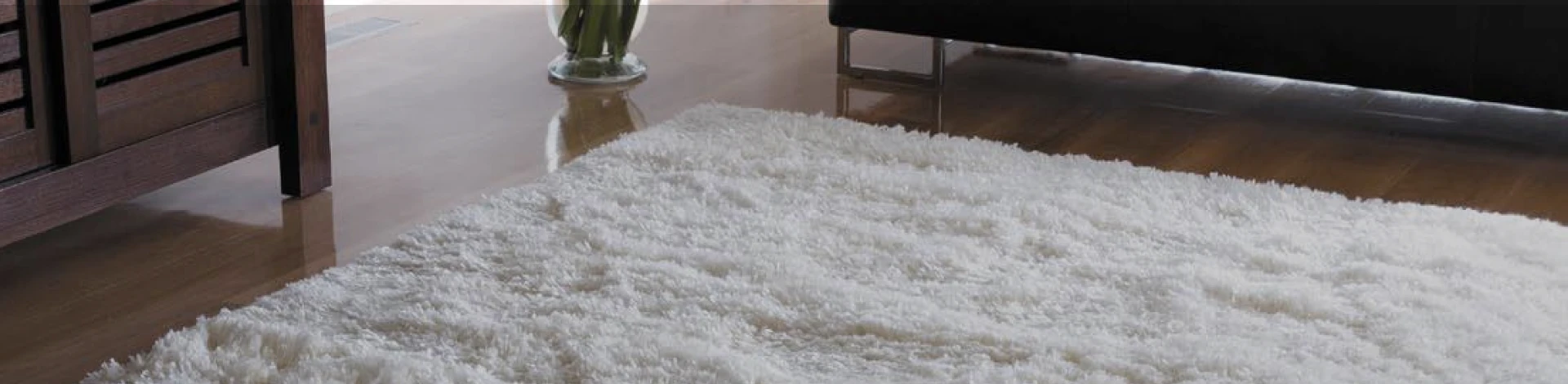
The 8 x 10 faux fur rug represents a significant segment within the broader decorative textiles market. It functions as a floor covering, primarily designed to enhance aesthetic appeal and provide tactile comfort. Positioned between high-end natural fur rugs and lower-cost synthetic alternatives, it addresses a consumer demand for luxury appearance without the ethical concerns or prohibitive expense of genuine fur. Its position in the supply chain begins with the sourcing of synthetic fibers, progresses through manufacturing processes like pile construction, backing application, and finishing, and culminates in retail distribution. Core performance characteristics center on the rug’s pile height, density, fiber composition, and resistance to wear, shedding, and staining. The industry currently faces challenges related to achieving realistic fur textures, improving durability, and adhering to increasingly stringent standards for volatile organic compound (VOC) emissions and flammability.
Material Science & Manufacturing
Faux fur rugs, specifically the 8x10 dimension, are predominantly constructed from synthetic polymers, most commonly acrylic and polyester. Acrylic fibers (polyacrylonitrile) offer a closer resemblance to natural fur due to their inherent bulk and ability to retain shape, providing a soft, plush texture. However, acrylic exhibits lower resilience and abrasion resistance compared to polyester. Polyester, on the other hand, offers superior durability, stain resistance, and cost-effectiveness. Manufacturing typically begins with fiber extrusion, where the polymer melt is forced through spinnerets to create continuous filaments. These filaments are then crimped to impart texture and bulk. Pile construction methods include weft knitting, warp knitting, and tufting. Tufting is the most prevalent method for faux fur rugs, involving the insertion of yarns into a primary backing material (typically polypropylene) using needles. Pile height is controlled by adjusting the loop length during tufting. A secondary backing, often latex or polyurethane foam, is applied to provide stability, cushioning, and prevent shedding. Parameter control is crucial; consistent fiber denier (fineness) ensures uniform texture, appropriate dye uptake requires precise temperature and duration control, and proper backing adhesion prevents delamination. Chemical compatibility between the fiber, dyes, and backing materials is vital to avoid degradation or discoloration. The selection of appropriate flame retardants also represents a critical process parameter.
Performance & Engineering
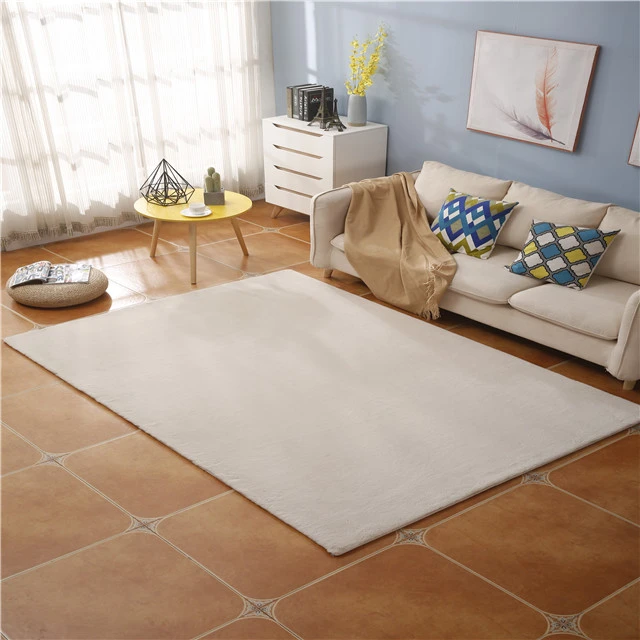
Performance evaluation of an 8x10 faux fur rug necessitates analysis of several key engineering characteristics. Shear force resistance, measured via a shear tester, dictates the rug’s ability to withstand deformation under foot traffic and maintain its pile integrity. Tensile strength, evaluated according to ASTM D4157, determines the rug's resistance to tearing, particularly at seams and edges. Environmental resistance is critical; prolonged UV exposure can cause fiber degradation and color fading, quantified through accelerated weathering tests (ASTM G154). Flammability is a significant safety concern, governed by standards like California Technical Bulletin 117, requiring materials to exhibit self-extinguishing properties. The weight per unit area (pile weight) directly correlates with the rug's perceived luxury and durability. A higher pile weight generally translates to a denser, more resilient surface. Coefficient of friction (COF) impacts slip resistance; lower COF values improve safety by reducing the likelihood of falls. Compliance with VOC emission standards (e.g., CARB Section 93120) is increasingly important, as certain dyes and backing adhesives can release harmful chemicals into indoor air. Force analysis during manufacturing helps optimize tufting density and backing adhesion for long-term performance. Static electricity build-up can be an issue, particularly in dry environments, requiring the incorporation of anti-static treatments.
Technical Specifications
| Parameter | Acrylic Fiber (Typical) | Polyester Fiber (Typical) | Unit |
|---|---|---|---|
| Fiber Denier | 2.5 - 3.0 | 3.0 - 4.0 | dtex |
| Pile Height | 38 - 50 | 25 - 40 | mm |
| Pile Weight | 800 - 1200 | 600 - 1000 | g/m² |
| Tensile Strength (Warp/Weft) | 150/120 | 200/180 | N/5cm |
| Flammability (Pass/Fail) | Pass (with FR treatment) | Pass | - |
| VOC Emissions (Formaldehyde) | <0.05 | <0.03 | ppm |
Failure Mode & Maintenance
Common failure modes in 8x10 faux fur rugs include pile shedding, matting, fiber breakage, and delamination of the backing. Shedding is often attributable to loose fibers that were not adequately secured during manufacturing. Matting occurs due to compression of the pile fibers under sustained pressure, reducing loft and resilience. Fiber breakage is accelerated by UV exposure, abrasion, and exposure to harsh chemicals. Delamination results from inadequate adhesion between the pile and backing, often exacerbated by moisture or temperature fluctuations. Oxidation of acrylic fibers can lead to brittleness and discoloration over time. Maintenance recommendations include regular vacuuming (using a suction-only attachment to avoid snagging), spot cleaning with mild detergent and water, and avoiding prolonged direct sunlight. Professional cleaning is advisable for deep cleaning and stain removal. Addressing spills immediately minimizes staining. Preventative measures include rotating the rug periodically to distribute wear evenly and using rug pads to provide cushioning and prevent slippage. Repair options for minor damage include re-tufting individual fibers or patching small areas of delamination with appropriate adhesive. Extensive damage may necessitate complete replacement.
Industry FAQ
Q: What is the primary difference between acrylic and polyester faux fur in terms of lifespan and appearance?
A: Polyester generally offers greater durability and resistance to wear and fading, resulting in a longer lifespan. However, acrylic fibers more closely mimic the texture and appearance of genuine fur, offering a plusher, more luxurious feel. The choice depends on the balance between aesthetics and longevity desired by the consumer.
Q: How important is the rug backing material, and what options are available?
A: The backing is critical for structural integrity and prevents shedding. Common options include polypropylene (most affordable), latex (provides good cushioning), and polyurethane foam (superior cushioning and durability). The backing must be compatible with the pile fibers and adhesives used to ensure long-term adhesion.
Q: What flammability standards should be considered when sourcing faux fur rugs?
A: California Technical Bulletin 117 is a primary standard in the US, requiring materials to resist ignition and self-extinguish. Additionally, compliance with national and local fire safety regulations is essential, depending on the intended application (e.g., residential vs. commercial).
Q: How do VOC emissions impact the selection of a faux fur rug, and what testing methods are used?
A: VOCs emitted from dyes and adhesives can contribute to indoor air pollution. Selection should prioritize rugs certified to meet low-VOC standards (e.g., CARB Section 93120). Testing methods include gas chromatography-mass spectrometry (GC-MS) to identify and quantify VOC emissions.
Q: What is the best method for cleaning an 8x10 faux fur rug to prevent damage and maintain its appearance?
A: Regular vacuuming with a suction-only attachment is recommended. Spot clean stains immediately with a mild detergent and water, avoiding harsh chemicals. Professional cleaning is advisable for deep cleaning and to prevent matting. Avoid excessive moisture and prolonged direct sunlight.
Conclusion
The 8x10 faux fur rug represents a sophisticated intersection of material science, manufacturing engineering, and consumer demand for affordable luxury. Its performance is dictated by the careful selection of synthetic fibers, meticulous control of manufacturing parameters, and adherence to stringent safety and environmental standards. Achieving a balance between realistic appearance, long-term durability, and cost-effectiveness remains a central challenge for manufacturers.
Future developments are likely to focus on incorporating recycled materials, enhancing fiber resilience, and refining manufacturing processes to minimize environmental impact. Increased consumer awareness regarding VOC emissions and flammability will further drive demand for rugs that prioritize safety and sustainability. The continued evolution of faux fur technology will ensure its enduring relevance in the decorative textiles market.