

faux fur soft rug Performance Analysis
Introduction
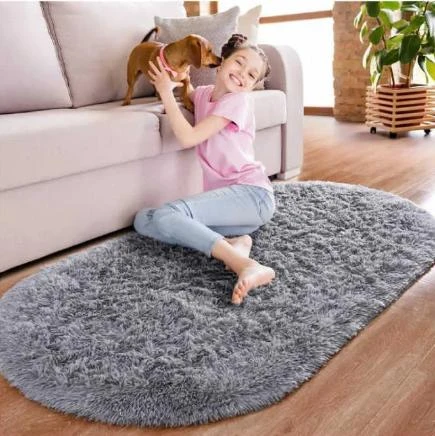
Faux fur soft rugs represent a significant segment within the broader textile and floor coverings industry, offering an aesthetic and tactile alternative to natural animal fur. These rugs are constructed using synthetic fibers engineered to mimic the appearance and feel of genuine fur, commonly employed in residential and commercial settings. Their technical position lies in the intersection of polymer chemistry, textile engineering, and surface finishing. Core performance characteristics center around pile density, fiber durability, colorfastness, and overall aesthetic appeal. Unlike natural fur, faux fur production allows for precise control over these parameters and avoids ethical concerns associated with animal welfare. The industry faces growing demands for sustainable materials and improved performance characteristics regarding wear resistance and ease of cleaning, driving ongoing innovation in fiber composition and manufacturing processes. Understanding the nuances of polymer selection and manufacturing methodologies is critical to achieving optimal performance and longevity in faux fur rugs.
Material Science & Manufacturing
The primary raw materials for faux fur rugs are synthetic polymers, most commonly acrylic, polyester, and polypropylene. Acrylic fibers offer a superior resemblance to natural fur due to their inherent bulk and crimp, providing a softer texture. However, acrylic exhibits lower abrasion resistance and is susceptible to pilling. Polyester fibers offer enhanced durability and resilience, though often lack the same luxurious feel as acrylic. Polypropylene, characterized by its high tensile strength and moisture resistance, is frequently utilized in backing materials and occasionally within the pile itself, particularly for outdoor applications. Manufacturing typically begins with polymer extrusion, creating continuous filaments. These filaments are then processed through a cut-pile or loop-pile weaving or knitting technique. Cut-pile construction, where the fiber ends are sheared, yields a softer, more plush surface, characteristic of many faux fur rugs. Loop-pile construction, retaining the fiber loops, offers increased durability and a denser texture. A critical parameter is denier – a unit of measure for linear mass density of fibers – lower denier fibers create a softer, finer texture, while higher denier fibers contribute to increased durability. Dyeing is typically performed before or during the fiber extrusion process, ensuring consistent color throughout the pile. Backing materials, often composed of felt or latex, provide structural integrity and prevent slippage. Key parameter control includes maintaining consistent fiber length, denier, and dye concentration to achieve uniform appearance and performance. The manufacturing process also necessitates precise control of heat and pressure during fiber bonding to ensure adequate pile retention and prevent fiber shedding.
Performance & Engineering
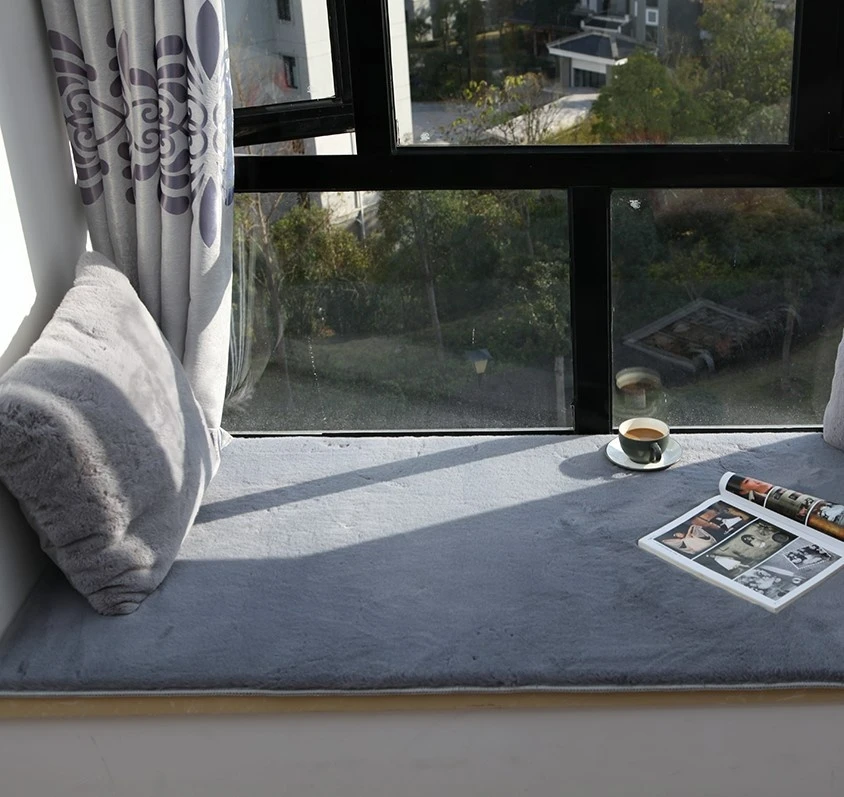
The performance of a faux fur soft rug is dictated by several key engineering considerations. Pile weight (grams per square meter – GSM) is a crucial factor influencing the rug's density and perceived luxury. Higher GSM values generally correlate with a softer, more substantial feel. Abrasion resistance, measured using methods like the Wyzenbeek test (ASTM D4157), determines the rug’s ability to withstand wear and tear from foot traffic. Colorfastness to light and washing, assessed using standardized tests (ISO 105-B02 and ISO 105-C06 respectively), is essential to prevent fading or bleeding. Dimensional stability, particularly resistance to shrinkage or stretching, is critical for maintaining the rug’s shape and appearance over time. Force analysis considers the compressive strength of the pile and backing materials, influencing the rug’s ability to recover from indentation. Environmental resistance, specifically flammability, is addressed through the use of flame-retardant treatments compliant with standards like California Technical Bulletin 117. Compliance requirements vary depending on the intended market; for example, rugs intended for children's rooms must meet stringent safety standards regarding chemical emissions (e.g., REACH regulations in Europe). Functional implementation involves optimizing the pile structure and backing material to provide optimal cushioning and sound absorption. The choice of fiber type significantly impacts these performance characteristics, with polyester generally offering superior durability and acrylic prioritizing softness.
Technical Specifications
| Parameter | Acrylic Fiber | Polyester Fiber | Polypropylene Fiber | Typical Value (Overall Rug) |
|---|---|---|---|---|
| Pile Height (mm) | 20-60 | 15-40 | 10-30 | 30-50 |
| Pile Weight (GSM) | 400-800 | 500-1200 | 300-600 | 600-1000 |
| Fiber Denier | 2-6 | 1.5-4 | 2-8 | 3-5 |
| Abrasion Resistance (Wyzenbeek Cycles) | 5,000-10,000 | 10,000-25,000 | 8,000-15,000 | 12,000-20,000 |
| Colorfastness to Light (Rating 1-5) | 3-4 | 4-5 | 4-5 | 4-5 |
| Flammability (Pass/Fail - California TB 117) | Pass (with treatment) | Pass (inherently FR) | Pass (inherently FR) | Pass |
Failure Mode & Maintenance
Faux fur rugs are susceptible to several failure modes. Pilling, a common occurrence with acrylic fibers, results from fiber breakage and entanglement on the surface. This is exacerbated by abrasion and frequent use. Matting occurs when the pile fibers become compressed and lose their resilience, diminishing the rug's plushness. This can be caused by prolonged pressure or improper cleaning. Fiber shedding is inherent in all faux fur rugs, particularly during the initial stages of use, but excessive shedding indicates fiber degradation or poor manufacturing quality. Delamination of the backing material can lead to structural failure, often caused by moisture exposure or adhesive failure. Oxidation of the fibers, especially polyester, can cause discoloration and loss of strength over time, particularly with prolonged exposure to UV light. Maintenance is critical to prolonging the rug's lifespan. Regular vacuuming with a brush attachment removes loose debris and prevents matting. Spot cleaning with a mild detergent and water is recommended for spills. Avoid harsh chemicals and excessive moisture. Professional cleaning is recommended annually to deep clean the fibers and restore pile resilience. Avoid prolonged direct sunlight exposure to prevent discoloration. For pilling, a fabric shaver can be used to carefully remove loose fibers. Proper storage, rolled rather than folded, helps maintain the pile's shape and prevents creases.
Industry FAQ
Q: What is the primary difference between acrylic and polyester faux fur in terms of longevity?
A: Polyester generally exhibits superior longevity compared to acrylic. While acrylic offers a softer initial feel, it is more prone to pilling and fiber degradation over time due to its lower abrasion resistance and susceptibility to UV damage. Polyester maintains its structural integrity and appearance for a longer duration, particularly in high-traffic areas.
Q: How does pile density (GSM) affect the performance and cost of a faux fur rug?
A: Higher GSM values correlate with increased pile density, resulting in a more luxurious feel, improved cushioning, and enhanced sound absorption. However, higher GSM also translates to increased material costs and manufacturing complexity, subsequently increasing the rug's price point.
Q: What cleaning methods are best suited for faux fur rugs, and what should be avoided?
A: Regular vacuuming with a brush attachment is the primary maintenance step. Spot cleaning with a mild detergent and cool water is recommended for spills. Avoid harsh chemicals, bleach, and excessive moisture, as these can damage the fibers and backing. Steam cleaning is generally not recommended, as it can cause the fibers to mat. Professional cleaning is advised annually.
Q: What standards are relevant to assessing the flammability of faux fur rugs, and what compliance requirements exist?
A: California Technical Bulletin 117 is a widely recognized standard for assessing the flammability of furniture and textiles, including faux fur rugs. Compliance often involves the application of flame-retardant treatments. Other relevant standards include NFPA 701 for larger installations. Specific regional regulations, such as those in Europe (EN standards), may also apply depending on the intended market.
Q: How does the manufacturing process impact the overall quality and feel of the faux fur rug?
A: The manufacturing process significantly influences the rug's quality. Precise control over fiber denier, pile height, and dyeing processes is critical for achieving a consistent and luxurious feel. The method of pile construction (cut-pile vs. loop-pile) affects both appearance and durability. The quality of the backing material and adhesive used to secure it also plays a crucial role in the rug’s structural integrity and longevity.
Conclusion
Faux fur soft rugs represent a complex interplay of material science, textile engineering, and manufacturing processes. Achieving optimal performance—balancing aesthetic appeal with durability, safety, and cost-effectiveness—requires careful consideration of fiber selection, pile construction, and adherence to industry standards. The continued demand for sustainable and high-performance materials is driving innovation in this sector, with ongoing research focused on developing more durable, eco-friendly fibers and advanced manufacturing techniques.
Looking ahead, the integration of nanotechnology and bio-based polymers holds the potential to further enhance the performance and sustainability of faux fur rugs. Advancements in fiber spinning and weaving technologies will likely lead to more intricate pile structures and improved aesthetic qualities. Furthermore, increased emphasis on circular economy principles will drive the development of recyclable and biodegradable faux fur materials, minimizing environmental impact and addressing growing consumer demand for responsible products.