

faux fur yellow rug Performance Analysis
Introduction
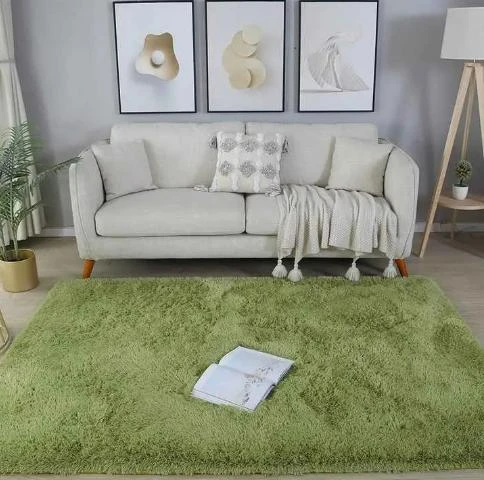
Faux fur yellow rugs represent a significant segment within the broader decorative flooring market, positioned as an accessible and ethically-sourced alternative to natural fur rugs. These rugs are typically constructed from synthetic fibers designed to mimic the appearance and tactile feel of animal fur, offering warmth and aesthetic appeal. Their technical position in the value chain involves raw material production (primarily polymers), fiber extrusion, dyeing, weaving or tufting, and finishing processes. Core performance characteristics revolve around pile height, density, fiber composition, colorfastness, and overall durability, increasingly scrutinized for off-gassing and flammability. Understanding these characteristics is vital for selection in both residential and commercial applications, and for meeting increasingly stringent consumer and regulatory expectations regarding sustainability and safety.
Material Science & Manufacturing
The foundational material of faux fur yellow rugs is typically polyester (polyethylene terephthalate - PET) or acrylic (polyacrylonitrile). Polyester is favored for its durability, resilience, stain resistance, and relatively low cost. Acrylic offers a softer, more natural feel, but generally exhibits lower abrasion resistance. The manufacturing process begins with polymer production, followed by melt extrusion to create fibers. Fiber denier (fineness) significantly impacts the rug’s texture; lower denier fibers create a softer, more luxurious feel. The fibers are then dyed using various methods – solution dyeing (adding pigment during extrusion for superior colorfastness) or piece dyeing (dyeing after fiber formation). Production then utilizes either weaving or tufting. Tufting involves inserting fibers into a backing material, followed by latex application for stability. Weaving is a more complex process resulting in a denser, more durable rug. Key parameter control includes consistent fiber diameter, precise dye uptake, and accurate gauge control during tufting or weaving to maintain pile density and uniformity. Backing materials, often polypropylene or jute, are also crucial, impacting dimensional stability and preventing delamination. Further processing includes shearing to achieve desired pile height and brushing to enhance softness and texture. Modern manufacturing incorporates anti-static treatments to reduce dust accumulation and improve handling characteristics.
Performance & Engineering
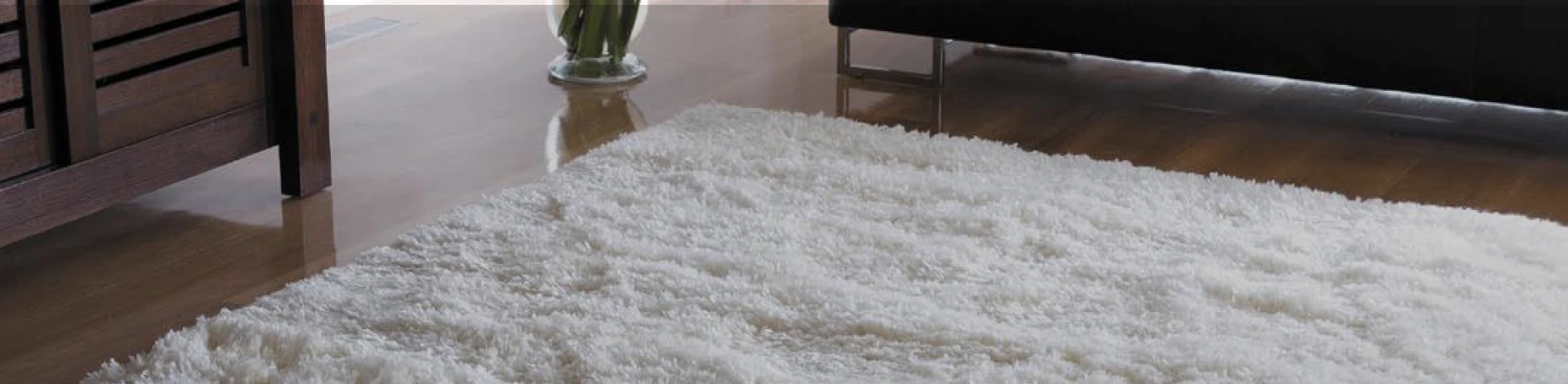
Performance analysis of faux fur yellow rugs centers on several key engineering considerations. Force analysis focuses on pile compression, tensile strength of the fibers, and the shear strength of the fiber-backing bond. Higher pile weights (grams per square meter – GSM) generally equate to improved compression recovery and perceived luxury. Fiber tensile strength dictates resistance to pulling and tearing, critical for high-traffic areas. Environmental resistance is paramount. Prolonged exposure to ultraviolet (UV) radiation can cause fading and fiber degradation, particularly in acrylic fibers. Colorfastness is assessed using standardized lightfastness tests (e.g., AATCC 16E). Flammability is a major concern, and compliance with flammability standards (discussed in the standards section) requires careful selection of flame-retardant treatments. These treatments must balance effectiveness with potential health impacts from off-gassing. Dimensional stability, preventing shrinkage or stretching, is linked to backing material selection and latex curing processes. Slip resistance is another crucial aspect, often addressed with a latex or rubberized backing. Pile height significantly influences perceived comfort and cleaning ease; longer piles require more frequent vacuuming. The overall structural integrity relies on the mechanical interlocking of fibers and the adhesive properties of the backing layer, which are both subject to fatigue under repeated compression and shear stresses.
Technical Specifications
| Parameter | Polyester Faux Fur | Acrylic Faux Fur | Pile Height Range |
|---|---|---|---|
| Fiber Composition | 100% Polyester | 100% Acrylic | 25mm – 60mm |
| Pile Weight (GSM) | 800 – 1800 | 600 – 1200 | Backing Material |
| Tensile Strength (N/mm²) | 60-80 | 40-60 | Polypropylene/Jute |
| Colorfastness to Light (AATCC 16E Grade) | 4-5 | 3-4 | Dimensional Stability (%) |
| UV Resistance (Relative) | Good | Moderate | ≤ 2% after 24 hours |
| Flammability (Pass/Fail - ASTM E84) | Typically Pass with Treatment | Requires Flame Retardant | Flame Spread Index (ASTM E84) |
Failure Mode & Maintenance
Faux fur yellow rugs are susceptible to several failure modes. Fiber shedding is common, particularly with lower-quality products and during the initial use phase, due to loose fibers. This is not necessarily indicative of a defect but a natural byproduct of the manufacturing process. Pile crushing occurs under sustained compression, reducing the rug’s loft and aesthetic appeal. This is more pronounced in lower GSM rugs. Delamination, the separation of the pile from the backing, is a critical failure, often initiated by weakened latex adhesive due to aging or moisture exposure. Fiber breakage results from repeated abrasion and stress, leading to thinning of the pile. Color fading, particularly with acrylic fibers, is caused by UV exposure. Stain penetration occurs when liquids are not promptly cleaned, and can be exacerbated by the rug's fiber type (polyester generally being more stain resistant). Maintenance should include regular vacuuming (avoiding beater bars that can damage fibers), prompt spot cleaning with appropriate detergents, and professional cleaning every 12-18 months. Avoid direct sunlight exposure to minimize fading. For delamination, professional re-gluing may be possible, but significant damage may necessitate replacement. Regular rotation of the rug can help distribute wear and prolong its lifespan.
Industry FAQ
Q: What is the difference between polyester and acrylic faux fur in terms of longevity?
A: Polyester generally exhibits superior abrasion resistance and is less prone to pilling compared to acrylic. While acrylic offers a softer initial feel, polyester fibers tend to retain their shape and structure for a longer duration under consistent use, translating to a longer overall lifespan.
Q: How important is pile weight (GSM) when selecting a faux fur rug for high-traffic areas?
A: Pile weight is crucial. Higher GSM rugs (1200+ GSM) provide greater resilience, compression recovery, and durability in high-traffic zones. They are better able to withstand repeated foot traffic and maintain their aesthetic appearance over time. Lower GSM rugs are suitable for low-traffic areas, like bedrooms.
Q: What flame retardant treatments are commonly used, and are they safe?
A: Common flame retardant treatments include topical applications of chemicals like borates or phosphorus-based compounds. Concerns regarding off-gassing and potential health effects are valid. Reputable manufacturers prioritize treatments with low VOC emissions and adhere to stringent safety standards. Look for certifications indicating compliance with relevant regulations.
Q: What is the best method for cleaning faux fur rugs to prevent damage?
A: Regular vacuuming with a suction-only nozzle is recommended. Avoid beater bars, as they can distort the fibers. Spot clean spills immediately with a mild detergent and lukewarm water. Professional dry cleaning is the preferred method for deep cleaning, as it minimizes the risk of fiber damage and color fading.
Q: How can I determine if a faux fur rug is UV resistant enough for a room with significant sunlight exposure?
A: Check the product specifications for UV resistance ratings or colorfastness to light (AATCC 16E). A higher grade (4-5) indicates better resistance to fading. Solution-dyed fibers offer superior UV protection compared to piece-dyed fibers. Consider using window coverings to mitigate direct sunlight exposure.
Conclusion
Faux fur yellow rugs provide a viable and aesthetically pleasing alternative to natural fur, requiring a thorough understanding of material science, manufacturing processes, and performance characteristics. Polyester-based rugs generally offer superior durability and stain resistance, while acrylic provides a softer feel but demands more careful maintenance. Critical considerations include pile weight, fiber density, and adherence to flammability and UV resistance standards. Selecting a rug based on intended use, traffic levels, and environmental factors is paramount for maximizing longevity and maintaining aesthetic appeal.
The future of faux fur rug technology will likely focus on sustainable materials (e.g., recycled PET), enhanced flame retardant treatments with reduced environmental impact, and innovative fiber structures to improve resilience and reduce shedding. Ongoing research and development will continue to refine manufacturing processes, ensuring both cost-effectiveness and superior product performance, ultimately driving increased consumer confidence and market adoption.