

faux rabbit fur bath rug Performance Analysis
Introduction
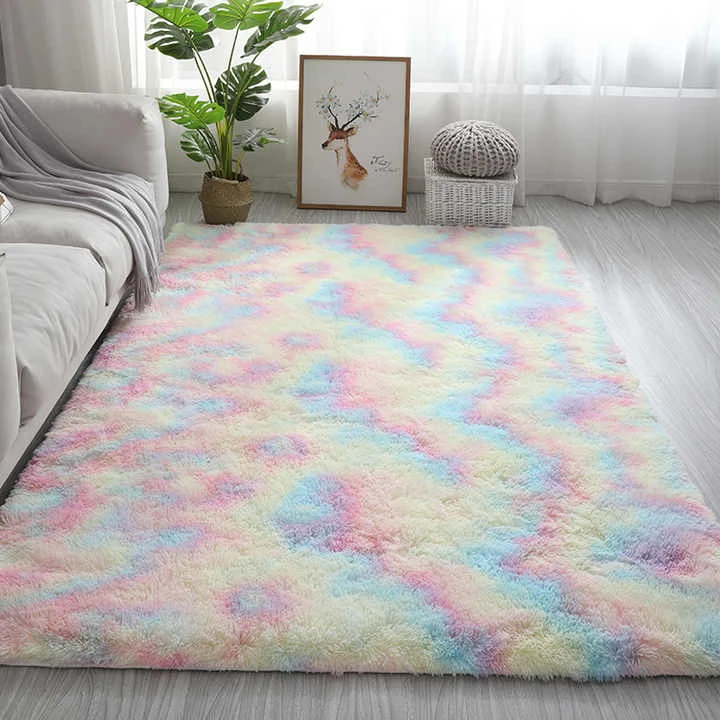
Faux rabbit fur bath rugs represent a significant development in bathroom safety and comfort, extending beyond purely functional floor coverings to become integral elements of interior design. These rugs typically consist of a synthetic pile – primarily polyester microfibers – bonded to a backing material, often incorporating a non-slip latex or thermoplastic rubber (TPR) layer. Positioned within the broader textile and home furnishing industry, these rugs address the need for enhanced water absorption, rapid drying, and a soft, luxurious feel compared to traditional cotton or microfiber alternatives. Their core performance attributes revolve around the balance between liquid absorption capacity, durability under repeated compression and exposure to moisture, and the aesthetic imitation of natural rabbit fur. The rising demand is driven by consumer preference for animal-friendly products and the desire for enhanced bathroom ambiance. Addressing concerns around shedding, cleaning efficacy, and long-term pile integrity are critical performance considerations within this product category.
Material Science & Manufacturing
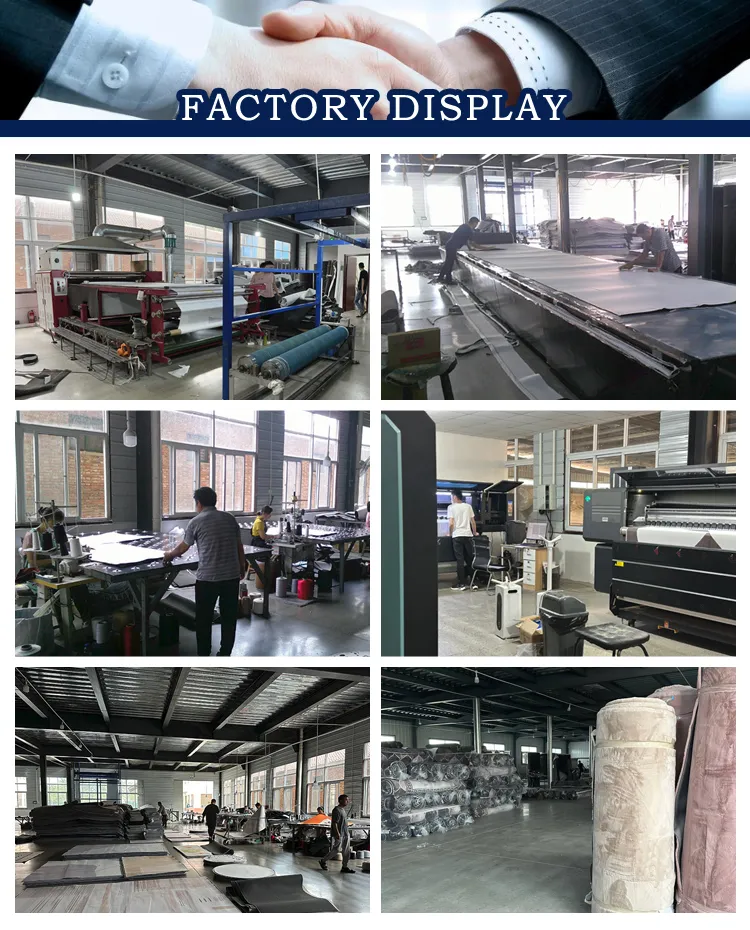
The core material in faux rabbit fur bath rugs is typically 100% polyester, specifically utilizing microfibers to mimic the soft texture of natural rabbit fur. Polyester is chosen for its inherent hydrophobic properties, resistance to mildew, and relatively low cost. The manufacturing process begins with the polymerization of ethylene glycol and terephthalic acid, creating polyethylene terephthalate (PET) polymer. This polymer is then spun into fine microfibers, often employing a melt-spinning process. Fiber denier (fineness) is a critical parameter, typically ranging from 0.2 to 1.0 denier for superior softness. The backing material is typically composed of felt or a combination of felt and latex or TPR. Latex provides initial adhesion and some degree of slip resistance, while TPR offers superior durability and a more robust non-slip function. Manufacturing involves a tufting or needle-punching process to attach the polyester fibers to the backing. Tufting creates a denser, more luxurious pile, while needle-punching is a more economical method. Post-tufting, the rug undergoes shearing to achieve a uniform pile height and density. Dyeing is generally performed before fiber formation (solution dyeing) to ensure colorfastness and even pigmentation. Quality control focuses on fiber tensile strength (ASTM D2256), colorfastness to light (AATCC 16), and backing adhesion strength.
Performance & Engineering
The performance of faux rabbit fur bath rugs is heavily dependent on the interplay between pile density, fiber length, and backing material. Water absorption capacity is determined by the surface area of the polyester fibers and their ability to wick moisture away from the surface. Force analysis reveals that the rug’s structural integrity relies on the tensile strength of both the fibers and the backing material, with the interface between the two being a critical stress concentration point. Environmental resistance is crucial; prolonged exposure to moisture can lead to mildew growth if the rug is not properly dried. UV exposure can degrade the polyester fibers, causing color fading and reduced tensile strength. Compliance requirements include flammability standards (California Proposition 65 regarding phthalates) and slip resistance testing (ASTM D1073 for coefficient of friction). The pile height impacts both comfort and absorption; longer piles offer greater cushioning but can take longer to dry. Backing material selection dictates the rug’s ability to remain stable on various floor surfaces. Engineering considerations also include optimizing the latex/TPR formulation to maximize adhesion and minimize chemical migration (off-gassing).
Technical Specifications
| Parameter | Unit | Typical Value | Testing Standard |
|---|---|---|---|
| Pile Material | - | 100% Polyester Microfiber | - |
| Pile Height | mm | 20-40 | - |
| Pile Weight | g/m² | 500-800 | ISO 307 |
| Backing Material | - | TPR/Felt Composite | - |
| Water Absorption | % (w/w) | 200-300 | ASTM D2583 |
| Slip Resistance (Coefficient of Friction) | - | ≥ 0.7 (Static) | ASTM D1073 |
| Colorfastness to Light | Grade (1-5) | 4-5 | AATCC 16 |
Failure Mode & Maintenance
Common failure modes in faux rabbit fur bath rugs include fiber shedding, backing delamination, and compression set. Fiber shedding arises from inadequate fiber locking during the tufting/needle-punching process or degradation of the fibers due to UV exposure or repeated abrasion. Backing delamination occurs when the adhesive bond between the pile and backing weakens, often exacerbated by repeated wetting and drying cycles. Compression set refers to the permanent deformation of the pile fibers under sustained pressure, reducing the rug’s cushioning effect. Oxidation of the polyester fibers can also lead to discoloration and loss of tensile strength. Maintenance recommendations include regular vacuuming to remove loose debris and prevent matting. Spot cleaning with mild detergent and cold water is recommended; avoid harsh chemicals or abrasive cleaners. Machine washing is generally not recommended as it can damage the backing and cause excessive shedding. Thorough drying is crucial to prevent mildew growth. For significant staining or delamination, professional cleaning or replacement is advised. Preventive measures include rotating the rug to distribute wear evenly and avoiding direct sunlight exposure.
Industry FAQ
Q: What is the primary difference between a faux fur rug with a latex backing versus a TPR backing in terms of durability?
A: TPR (Thermoplastic Rubber) backing significantly outperforms latex in durability. Latex is prone to cracking and degradation with repeated flexing and exposure to moisture, leading to premature delamination. TPR is much more resilient, exhibiting superior abrasion resistance, flexibility, and resistance to chemical breakdown. While latex is more cost-effective initially, the longer lifespan and enhanced performance of TPR ultimately provide a better value proposition, especially for high-traffic bathroom environments.
Q: How does the denier of the polyester fiber impact the softness and longevity of the rug?
A: Lower denier polyester fibers (e.g., 0.2-0.5 denier) result in a significantly softer and more luxurious feel, closely mimicking the texture of natural rabbit fur. However, lower denier fibers are also more susceptible to abrasion and damage. Higher denier fibers (e.g., 0.8-1.0 denier) offer increased durability but may not provide the same level of softness. Selecting an appropriate denier requires balancing desired softness with expected wear and tear.
Q: What are the typical VOC emissions associated with faux fur bath rugs, particularly from the TPR backing?
A: TPR backings can potentially release low levels of volatile organic compounds (VOCs), particularly during the initial off-gassing period. Reputable manufacturers utilize low-VOC formulations and comply with standards like OEKO-TEX Standard 100 to minimize emissions. Independent testing reports for VOC emissions (e.g., using a chamber method according to ASTM D5116) should be available to verify compliance.
Q: What is the impact of pile density on water absorption, and how is it measured?
A: Higher pile density generally correlates with increased water absorption capacity, as it provides a greater surface area for liquid to be absorbed into the fibers. However, excessively high density can hinder drying time. Water absorption is typically measured as a percentage of the rug's weight (w/w) after being saturated with water, using standardized tests like ASTM D2583. A typical range for faux fur bath rugs is 200-300%.
Q: What methods can be used to mitigate the risk of mildew growth in faux fur bath rugs?
A: Mitigating mildew growth requires ensuring thorough and rapid drying after each use. Adequate ventilation in the bathroom is crucial. Avoid placing the rug in areas with consistently high humidity. Regular vacuuming to remove trapped moisture is also beneficial. Consider using a rug pad with moisture-wicking properties to improve airflow beneath the rug. While polyester is inherently resistant to mildew, prolonged exposure to damp conditions can still promote growth.
Conclusion
Faux rabbit fur bath rugs represent a sophisticated balance of aesthetic appeal, functional performance, and cost-effectiveness. Their construction, centered around polyester microfiber technology and robust backing materials like TPR, addresses key consumer demands for comfort, safety, and animal-friendly products. The longevity and performance of these rugs are critically dependent on material selection, manufacturing precision, and adherence to industry standards regarding slip resistance, flammability, and VOC emissions.
Future developments are likely to focus on enhancing the sustainability of materials used – exploring recycled polyester options and biodegradable backing materials – and improving the rugs’ resistance to compression set and shedding. Continued advancements in fiber technology and adhesive formulations will be crucial for enhancing the durability and overall value proposition of faux rabbit fur bath rugs within the competitive home furnishings market.