

faux sheepskin rug 5x7 Performance Analysis
Introduction
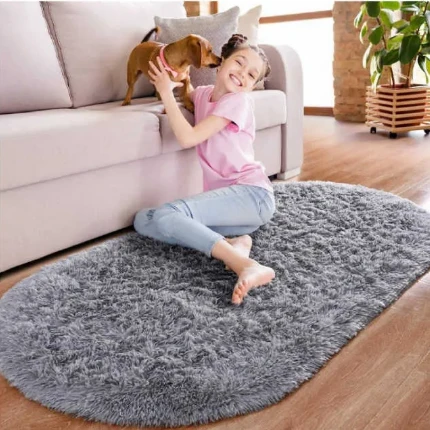
Faux sheepskin rugs, specifically those measuring 5x7 feet, represent a significant segment within the broader decorative textile market. These rugs are designed to emulate the luxurious feel and aesthetic of genuine sheepskin, offering a cost-effective and ethically sourced alternative. Their technical position lies between purely functional floor coverings and high-end interior design elements. Core performance characteristics center around tactile comfort, aesthetic appeal, thermal insulation, and durability. The modern manufacturing process focuses on replicating the pile density and softness of natural wool, utilizing synthetic fibers like acrylic, polyester, and modacrylic. A key driver for adoption is the increasing consumer demand for animal-friendly products. Industry pain points include achieving realistic texture, ensuring colorfastness, addressing static buildup, and minimizing shedding.
Material Science & Manufacturing
The primary raw materials for faux sheepskin rugs are synthetic polymers, predominantly acrylic, polyester, and modacrylic fibers. Acrylic offers a soft, wool-like feel and good bulk, though it’s comparatively less durable. Polyester provides better resilience and stain resistance but may lack the same level of softness. Modacrylic is often blended to enhance flame retardancy and softness. The backing material is typically jute, polypropylene, or latex – jute contributing to structural integrity and eco-friendliness, while polypropylene and latex provide enhanced durability and slip resistance. Manufacturing typically involves a multi-stage process. First, fibers are extruded and processed into yarn. Next, a looping or cut-pile weaving or knitting technique is employed to create the rug's surface. Cut-pile construction yields a denser, fluffier texture mimicking natural sheepskin, while looped-pile offers greater durability. Key parameter control focuses on fiber denier (affecting softness), pile height (determining overall thickness), yarn twist (impacting durability), and density (influencing overall weight and feel). Dyeing processes utilize specialized chemical dyes, requiring careful control of temperature, pH, and dye concentration to achieve colorfastness and prevent fading. Post-processing involves shearing to achieve uniform pile height and a backing application process, often utilizing spray-coating or adhesive lamination.
Performance & Engineering
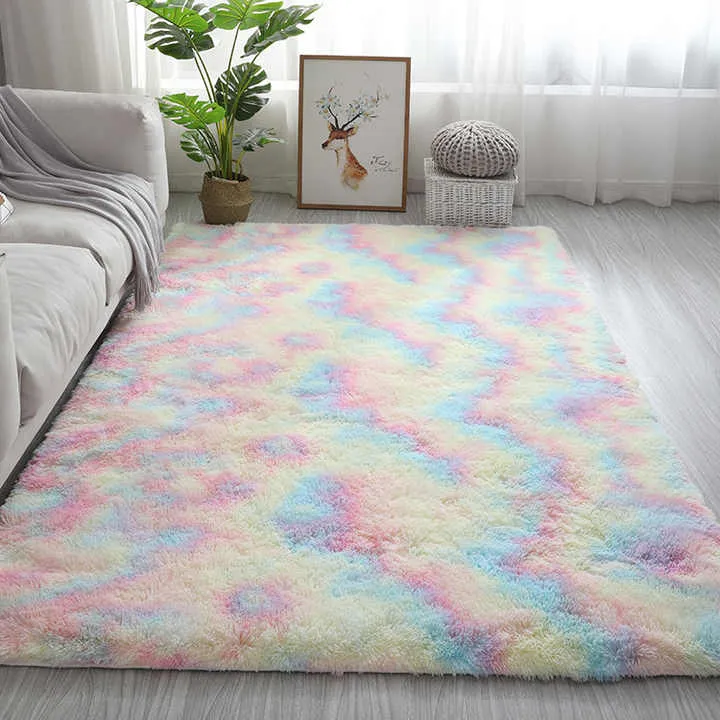
Performance analysis of faux sheepskin rugs centers on several critical engineering parameters. Thermal resistance (R-value) is a primary concern, dictating the rug’s ability to provide insulation and warmth. Testing, typically conducted according to ASTM C518, measures the thermal conductivity of the rug material. Slip resistance is another crucial factor, especially for safety. Coefficient of friction testing (ASTM D2047) assesses the rug’s ability to prevent sliding. Durability is assessed through abrasion resistance testing (ASTM D3886), measuring the rug’s resistance to wear and tear from foot traffic. Pile retention is evaluated using a modified Martindale abrasion test, focusing on the rate of fiber loss. Environmental resistance involves evaluating colorfastness to light (ASTM D1654) and washability (AATCC 163). Static buildup is a common issue with synthetic fibers. Anti-static treatments, often involving the application of conductive polymers or surfactants, are used to mitigate this. Compliance requirements vary by region, but often include flammability standards (e.g., California Proposition 65 for formaldehyde emissions) and VOC emission limits (e.g., GREENGUARD Certification). Force analysis focuses on compressive strength, evaluating the rug's ability to withstand sustained pressure without permanent deformation.
Technical Specifications
| Parameter | Acrylic Fiber Rug | Polyester Fiber Rug | Modacrylic Blend Rug | Unit |
|---|---|---|---|---|
| Pile Height | 2.0 - 2.5 | 1.8 - 2.2 | 2.2 - 2.8 | inches |
| Fiber Density | 800 - 1200 | 900 - 1400 | 750 - 1100 | grams/m² |
| Backing Material | Jute/Latex | Polypropylene | Jute | - |
| Abrasion Resistance (Martindale Cycles) | 5,000 - 8,000 | 10,000 - 15,000 | 6,000 - 9,000 | cycles |
| Colorfastness to Light (Rating 1-5) | 3-4 | 4-5 | 3-4 | - |
| Static Decay Time | >2 seconds | 1.5 - 2.5 seconds | >2.5 seconds | seconds |
Failure Mode & Maintenance
Common failure modes in faux sheepskin rugs include fiber shedding, matting (loss of pile resilience), color fading, delamination of the backing, and static electricity buildup. Fiber shedding is often attributable to insufficient fiber locking during the manufacturing process or low fiber quality. Matting results from repeated compression and abrasion, causing the fibers to flatten and lose their springiness. Color fading is primarily caused by UV exposure, necessitating the use of UV-resistant dyes. Delamination occurs when the adhesive bond between the pile and backing weakens, often due to moisture exposure or poor adhesive selection. Static buildup is exacerbated by low humidity and synthetic fiber composition. Maintenance recommendations include regular vacuuming (using a brush attachment to avoid damaging the fibers), spot cleaning with mild detergent, avoiding direct sunlight exposure to minimize fading, and using anti-static sprays to reduce static buildup. For delamination, professional rug repair services may be required to re-adhere the backing. Prevention of matting involves rotating the rug to distribute wear evenly and using rug pads to provide cushioning and reduce compression. Periodic professional cleaning is recommended to remove accumulated dirt and restore pile resilience.
Industry FAQ
Q: What is the primary difference between acrylic and polyester faux sheepskin rugs in terms of longevity?
A: Polyester generally exhibits superior longevity compared to acrylic. Polyester fibers are inherently more resilient and resistant to abrasion, leading to better pile retention and less shedding over time. Acrylic, while softer, tends to pill and wear down more quickly with sustained use.
Q: How does the backing material impact the overall performance of the rug?
A: The backing material significantly influences the rug’s stability, slip resistance, and lifespan. Jute provides good structural support and is more environmentally friendly, but can be susceptible to moisture damage. Polypropylene offers excellent durability and moisture resistance, while latex provides a strong adhesive bond and enhanced slip resistance.
Q: What specific tests should be conducted to verify the fire resistance of a faux sheepskin rug?
A: Several tests are relevant. The most common include the DOC FF 1-70 (pill test), ASTM D2859 (vertical flame test), and California Technical Bulletin 117 (for flammability of upholstery materials). These tests assess the rug’s ability to resist ignition and the rate at which flames spread.
Q: How can static buildup be effectively minimized in a faux sheepskin rug?
A: Minimizing static buildup requires a multi-pronged approach. Using anti-static sprays, maintaining adequate humidity levels in the room, and choosing rugs with anti-static treatments applied during manufacturing are all effective strategies. Also, grounding the rug (e.g., with a conductive rug pad) can help dissipate static charges.
Q: What is the recommended cleaning protocol to prevent color fading and maintain the rug’s appearance?
A: Regular vacuuming is crucial. Spot clean spills immediately using a mild detergent and lukewarm water. Avoid harsh chemicals and direct sunlight exposure. Professional cleaning every 12-18 months is recommended to thoroughly remove dirt and restore pile resilience. When washing, use a gentle cycle and cold water.
Conclusion
Faux sheepskin rugs, particularly the 5x7 configuration, represent a sophisticated balance between aesthetic appeal, affordability, and ethical sourcing. Their performance characteristics are heavily influenced by the choice of synthetic fibers, manufacturing techniques, and backing materials. Understanding the nuances of these factors is critical for procurement managers and end-users seeking a durable, comfortable, and visually appealing floor covering. Careful consideration of abrasion resistance, colorfastness, and static buildup is paramount in ensuring long-term product satisfaction.
Looking forward, advancements in polymer technology will likely lead to even more realistic and durable faux sheepskin materials. The integration of sustainable manufacturing practices, such as utilizing recycled polymers and eco-friendly dyes, will further enhance the appeal of these rugs. Continued research into anti-static treatments and improved backing technologies will address ongoing industry pain points and elevate the overall performance of faux sheepskin rugs in the marketplace.