


faux sheepskin rug rectangle Technical Analysis
Introduction
Faux sheepskin rugs, specifically rectangular configurations, represent a significant segment within the broader textile and home furnishing industry. Positioned as a synthetic alternative to natural sheepskin, these rugs address concerns surrounding animal welfare, cost, and maintenance. The product’s technical position lies in the intersection of polymer science, textile manufacturing, and surface treatment technologies. Core performance characteristics center around mimicking the tactile qualities of genuine sheepskin – softness, warmth, and density – while achieving improved durability, stain resistance, and ease of cleaning. This guide will provide a detailed technical overview of faux sheepskin rug rectangle construction, material properties, performance evaluation, and maintenance protocols, targeted towards procurement managers, quality control engineers, and materials specialists.
Material Science & Manufacturing
The primary raw material for faux sheepskin rugs is typically a polyester microfibre base fabric, often knitted or woven. Polyester is favored for its cost-effectiveness, durability, and ability to accept dyes. The ‘pile’ – the long, shaggy fibers that emulate sheep’s wool – are created using variations of this polyester, often utilizing specialized crimping and texturing processes. The manufacturing process begins with the production of the base fabric, followed by the application of the pile fibers. This can be achieved through several methods: tufting, where fibers are inserted into the base fabric; weaving, where pile yarns are interwoven with warp and weft yarns; or knitting, forming loops that are then cut to create the pile. A crucial step involves ‘flocking’ or ‘needle punching’, where fibers are mechanically entangled to create a dense, uniform pile. Backing materials commonly include jute, felt, or non-woven polypropylene to provide structural stability and prevent slippage. Parameter control is vital, including fiber denier (fineness), pile height, density, and the type of adhesive used to secure the fibers. Chemical compatibility of dyes and finishes is also critical to prevent discoloration or degradation. Variations in manufacturing processes significantly affect the rug’s tactile feel, durability, and resistance to wear. The polymer grade of the polyester dictates factors like UV resistance and propensity for pilling. Quality control at each stage is essential to ensure consistent pile height, fiber density, and backing adhesion.
Performance & Engineering
Performance evaluation of faux sheepskin rugs focuses on replicating the properties of natural sheepskin while mitigating its drawbacks. Key engineering considerations include pile compression resistance, tensile strength, and resistance to abrasion. Pile compression resistance is assessed using standardized indentation tests, measuring the force required to compress the pile to a specific depth. Tensile strength, evaluating the resistance to pulling forces, is crucial for preventing tearing or delamination, particularly at seams. Abrasion resistance is evaluated using methods like the Taber abrasion test, determining the rug’s ability to withstand repeated rubbing. Environmental resistance encompasses assessment of colorfastness to light (exposure to UV radiation), washability (resistance to fading and shrinkage), and resistance to common household chemicals (stain resistance). Compliance requirements vary depending on the target market. For example, flammability standards (like those set by the California Bureau of Home Furnishings and Thermal Insulation) dictate the use of flame retardant treatments. VOC emission testing (Volatile Organic Compounds) is increasingly important to address indoor air quality concerns. Force analysis involves understanding the distribution of stress within the rug structure during use, optimizing backing material selection to prevent deformation or failure. Static electricity buildup can be a concern, requiring the application of anti-static finishes.
Technical Specifications
| Parameter | Unit | Typical Value (Range) | Test Method |
|---|---|---|---|
| Pile Height | mm | 20-60 | ASTM D3884 |
| Pile Density | grams/m² | 800-2000 | ISO 8547 |
| Tensile Strength (Base Fabric) | N/5cm | > 200 | ASTM D5035 |
| Abrasion Resistance (Cycles to Wear) | cycles | > 10,000 | ASTM D4157 (Taber Abraser) |
| Colorfastness to Light | Grey Scale Rating | 4-5 | ISO 105-B02 |
| Water Absorption | % | < 1.0 | ISO 8547 |
Failure Mode & Maintenance
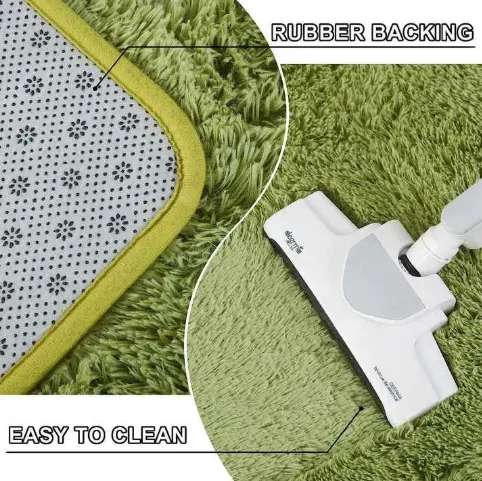
Common failure modes in faux sheepskin rugs include pile shedding, matting, delamination of the pile from the backing, and discoloration. Pile shedding occurs due to inadequate fiber anchoring or abrasion. Matting results from the collapse of pile fibers under sustained compression. Delamination is often caused by adhesive failure or mechanical stress on the backing. Discoloration can stem from UV exposure, staining, or chemical reactions. Fatigue cracking of the backing material can also occur under repeated stress. Maintenance protocols are crucial to extending the rug’s lifespan. Regular vacuuming (using a suction-only nozzle) removes dust and debris, preventing matting. Prompt stain removal with appropriate cleaning agents is essential to prevent permanent discoloration. Avoid harsh chemicals or abrasive cleaners, as these can damage the fibers. Professional cleaning is recommended for deep cleaning and stain removal. To mitigate delamination, avoid excessive pulling or stretching of the rug. Rotation of the rug helps distribute wear evenly. Storage should be in a cool, dry place, away from direct sunlight. Proper maintenance minimizes the likelihood of failure and preserves the rug’s aesthetic and functional properties. Addressing issues like pile compression can sometimes be resolved by gentle brushing with a soft-bristled brush.
Industry FAQ
Q: What is the primary difference in wear resistance between a tufted faux sheepskin rug and a woven one?
A: Tufted rugs generally offer a higher pile height and a plusher feel, but are more susceptible to pile shedding over time due to the mechanical anchoring of fibers. Woven rugs, while potentially less plush, exhibit superior pile retention and overall durability because the fibers are interwoven, creating a more secure structure. The choice depends on the desired balance between luxury and longevity.
Q: How does the denier of the polyester fiber impact the rug’s softness and durability?
A: Lower denier fibers (finer fibers) contribute to a softer, more luxurious feel. However, lower denier fibers are generally less durable and more prone to abrasion. Higher denier fibers offer increased durability but may feel slightly coarser. A balance between denier and fiber type is crucial for achieving optimal performance.
Q: What type of backing material is most resistant to moisture damage?
A: Polypropylene (PP) backing offers the highest resistance to moisture damage. Jute, while natural, is susceptible to mold and mildew in damp environments. Felt provides some moisture resistance but can compress over time. Therefore, for applications prone to moisture, polypropylene is the preferred backing material.
Q: Are there any common flame retardant treatments used on faux sheepskin rugs, and what are their potential drawbacks?
A: Common flame retardant treatments include topical applications of chemicals like FR-300 or inherently flame-retardant polyester fibers. Drawbacks of topical treatments can include reduced softness and potential leaching of chemicals over time. Inherently flame-retardant fibers offer a more permanent solution but may be more expensive.
Q: How do I assess the potential for VOC emissions from a faux sheepskin rug?
A: VOC emissions can be assessed using standardized testing methods like ISO 16000 or UL GreenGuard certification. These tests quantify the levels of various volatile organic compounds emitted by the rug. Look for rugs certified by independent organizations to ensure low VOC emissions and improved indoor air quality.
Conclusion
Faux sheepskin rugs represent a technologically advanced alternative to natural sheepskin, driven by material science innovations in polyester fiber production and textile manufacturing techniques. The key to optimal performance lies in careful selection of materials, precise control of manufacturing parameters, and adherence to relevant industry standards. Understanding the potential failure modes and implementing appropriate maintenance protocols are crucial for maximizing the product's lifespan and maintaining its aesthetic qualities.
Future developments in this area may focus on bio-based polyester alternatives, further enhancing sustainability. Enhancements in pile fiber technology, such as incorporating micro-structured fibers, could lead to even more realistic imitations of natural sheepskin. Continued improvements in stain resistance and durability will further broaden the applications of faux sheepskin rugs in both residential and commercial settings.