

faux throw rug Performance Analysis
Introduction
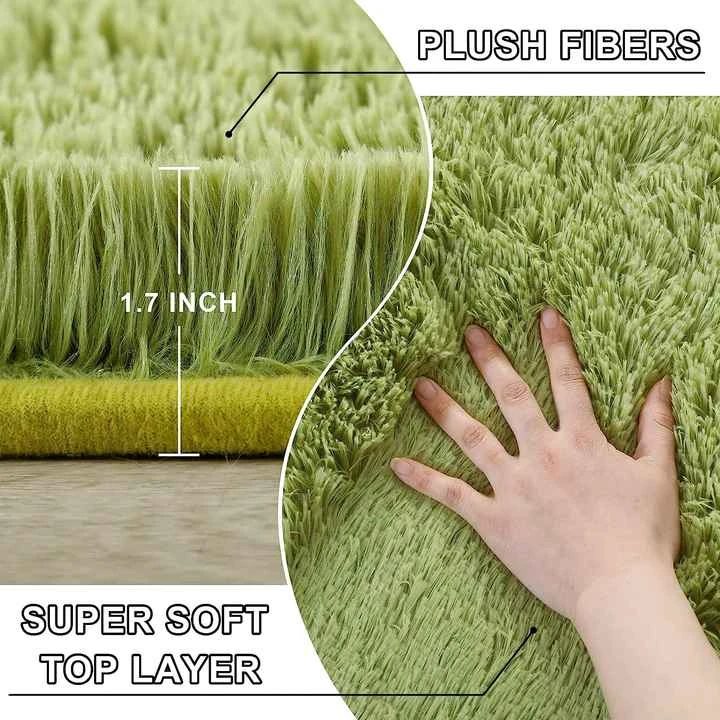
Faux throw rugs, designed to mimic the aesthetic and tactile qualities of natural fiber rugs, represent a significant segment within the broader floor coverings market. Primarily constructed from synthetic polymers, these rugs offer cost-effective alternatives to wool, silk, and cotton, addressing concerns regarding price, durability, and ease of maintenance. Technically, faux throw rugs occupy a position between purely decorative textile items and functional floor protection, requiring consideration of fiber composition, pile construction, backing materials, and performance characteristics related to wear, stain resistance, and flammability. Core performance attributes center on replicating the visual and textural appeal of natural fibers while exceeding their resistance to common household stressors. This guide provides an in-depth technical analysis of faux throw rug construction, performance, potential failure modes, and relevant industry standards, geared towards B2B stakeholders including manufacturers, material suppliers, quality control engineers, and procurement professionals.
Material Science & Manufacturing
The predominant raw materials in faux throw rug production are polyolefins – polypropylene (PP) and polyethylene (PE) – and polyester (PET). Polypropylene is favored for its inherent stain resistance, cost-effectiveness, and ability to be manufactured with a wide range of textures. Polyethylene, particularly high-density polyethylene (HDPE), offers increased durability and resistance to abrasion. Polyester provides a softer hand feel and better dye uptake, allowing for more complex color patterns. Manufacturing processes vary based on the desired pile height and construction. Tufting is the most common method, involving inserting yarn into a primary backing material (typically polypropylene or jute). This is followed by coating the backing with a secondary adhesive and applying a secondary backing fabric (felt or action back) for increased stability and cushioning. Cut pile, loop pile, and cut-and-loop pile constructions are all prevalent. Key parameter control during manufacturing focuses on yarn denier (linear mass density), stitch rate (stitches per inch), pile height consistency, and adhesive application uniformity. Variations in these parameters directly impact the rug’s density, durability, and overall aesthetic quality. Extrusion of the polymer fibers requires precise temperature control to ensure consistent diameter and mechanical properties. Dyeing, typically performed using solution dyeing (incorporating pigment during extrusion) or piece dyeing (dyeing the finished yarn), demands careful monitoring of dye concentration, temperature, and duration to achieve desired colorfastness and avoid fiber degradation.
Performance & Engineering
Performance of faux throw rugs is critically assessed based on several engineering parameters. Tensile strength, measured using ASTM D4160, dictates the rug’s resistance to tearing and abrasion. Pile retention force, evaluated per ASTM D5920, determines the durability of the pile fibers and their ability to withstand repeated foot traffic. Colorfastness to light, assessed using AATCC 163, quantifies the rug’s resistance to fading upon exposure to ultraviolet radiation. Flammability is a crucial safety consideration, governed by standards such as ASTM E84 (surface burning characteristics) and California Technical Bulletin 117 (flammability of seating materials – often applied to rugs due to potential use in sitting areas). Environmental resistance is also paramount. Resistance to water absorption (measured by weight gain upon immersion) is important for preventing mold and mildew growth. Resistance to common household chemicals (stain resistance) is influenced by the polymer type and any applied stain-repellent treatments (typically fluorocarbon-based). Force analysis of the rug under load reveals the stress distribution within the pile and backing materials, informing design optimization for enhanced durability and dimensional stability. Compliance requirements, particularly concerning VOC emissions (volatile organic compounds), are increasingly stringent and necessitate the use of low-emission adhesives and dyes. The backing materials also undergo rigorous testing to ensure they do not contribute to indoor air pollution.
Technical Specifications
| Parameter | Polypropylene (PP) | Polyester (PET) | Polyethylene (PE) | Units |
|---|---|---|---|---|
| Tensile Strength | 40-60 | 60-80 | 30-50 | MPa |
| Pile Retention Force | 8-12 | 10-15 | 6-10 | lbs |
| Water Absorption (24hr) | 0.1-0.3 | 0.4-0.8 | 0.2-0.5 | % Weight Gain |
| Colorfastness to Light (Rating 1-5) | 4-5 | 3-4 | 4-5 | - |
| Flammability (Flame Spread Index) | <50 | <50 | <50 | - |
| VOC Emissions (after 7 days) | <0.5 | <0.5 | <0.5 | mg/m² |
Failure Mode & Maintenance
Faux throw rugs are susceptible to several failure modes. Delamination, the separation of the pile from the backing, is a common issue, often resulting from inadequate adhesive application or prolonged exposure to moisture. Pile crushing, characterized by a loss of resilience and visible deformation of the pile fibers, occurs due to repeated compression. Fading, caused by UV exposure, leads to color degradation and aesthetic deterioration. Abrasion, particularly in high-traffic areas, results in fiber wear and a reduction in pile height. Static electricity buildup can attract dust and debris, contributing to a soiled appearance. Oxidation of the polymer fibers, particularly in PE rugs, can lead to embrittlement and cracking over time. Maintenance protocols are crucial for extending the rug’s lifespan. Regular vacuuming removes abrasive particles and prevents pile matting. Prompt stain removal minimizes permanent discoloration. Avoidance of direct sunlight reduces fading. Periodic rotation of the rug distributes wear evenly. For deep cleaning, professional rug cleaning services are recommended, utilizing appropriate cleaning agents compatible with the specific polymer composition. Avoid harsh chemicals and excessive moisture, as these can damage the fibers and backing. Addressing delamination typically requires re-adhering the pile to the backing using a suitable adhesive, though the long-term success of this repair depends on the severity of the damage.
Industry FAQ
Q: What is the impact of different backing materials on the overall durability and lifespan of a faux throw rug?
A: Backing materials significantly influence durability. Jute backings offer a natural fiber aesthetic but are prone to deterioration with moisture exposure. Polypropylene backings provide better moisture resistance and dimensional stability. Felt backings offer cushioning but may compress over time. Action backings, featuring a rubberized layer, provide superior grip and resilience, extending the rug’s lifespan, especially in high-traffic areas. The choice depends on the intended application and performance requirements.
Q: How does solution dyeing compare to piece dyeing in terms of colorfastness and overall rug quality?
A: Solution dyeing, where pigment is added during fiber extrusion, offers superior colorfastness as the color is inherently part of the fiber structure. Piece dyeing, applying dye to finished yarn, can result in less consistent color penetration and potential fading over time. Solution-dyed rugs are generally more resistant to sunlight, cleaning agents, and wear. However, piece dyeing allows for greater design flexibility and more complex color patterns.
Q: What are the primary factors contributing to pile crushing, and how can this be mitigated during manufacturing?
A: Pile crushing is primarily caused by repeated compression of the pile fibers. Factors include low pile density, insufficient fiber resilience, and inadequate backing support. Mitigation strategies involve increasing pile density through higher stitch rates, using more resilient fiber types (e.g., texturized polypropylene), and employing a robust backing material capable of distributing weight evenly. Optimizing the pile height and fiber selection are also critical.
Q: What are the VOC emission concerns associated with faux throw rugs, and what standards are manufacturers adhering to?
A: VOC emissions primarily stem from the adhesives used to bond the pile to the backing. Formaldehyde and other volatile organic compounds can contribute to indoor air pollution. Manufacturers are increasingly adhering to standards such as CARB (California Air Resources Board) Section 93120 and GREENGUARD Gold, which certify low VOC emissions. Using water-based adhesives and low-emission dyes helps minimize VOC levels.
Q: How do different pile constructions (cut, loop, cut-and-loop) affect the rug’s performance and aesthetic characteristics?
A: Cut pile offers a softer, more luxurious feel but is generally less durable than loop pile. Loop pile is more resilient and resistant to crushing, making it suitable for high-traffic areas. Cut-and-loop pile combines the benefits of both, creating a textured surface with varying levels of softness and durability. The choice of pile construction depends on the desired aesthetic and functional requirements of the rug.
Conclusion
Faux throw rugs represent a sophisticated intersection of polymer science, textile engineering, and manufacturing processes. Their success relies on careful material selection, precise process control, and a thorough understanding of performance characteristics. The industry’s ongoing focus on improving durability, stain resistance, and environmental sustainability drives continuous innovation in fiber technologies, adhesive formulations, and manufacturing techniques.
Future development will likely center on incorporating recycled content into rug construction, reducing VOC emissions, and enhancing resistance to abrasion and fading. Furthermore, advanced testing methodologies and standardized performance metrics are crucial for ensuring consistent product quality and meeting evolving consumer demands. A holistic approach, encompassing material science, manufacturing optimization, and rigorous quality control, is essential for maintaining a competitive edge in the dynamic faux throw rug market.