

fluffy faux sheepskin rug Material Science and Manufacturing

Introduction
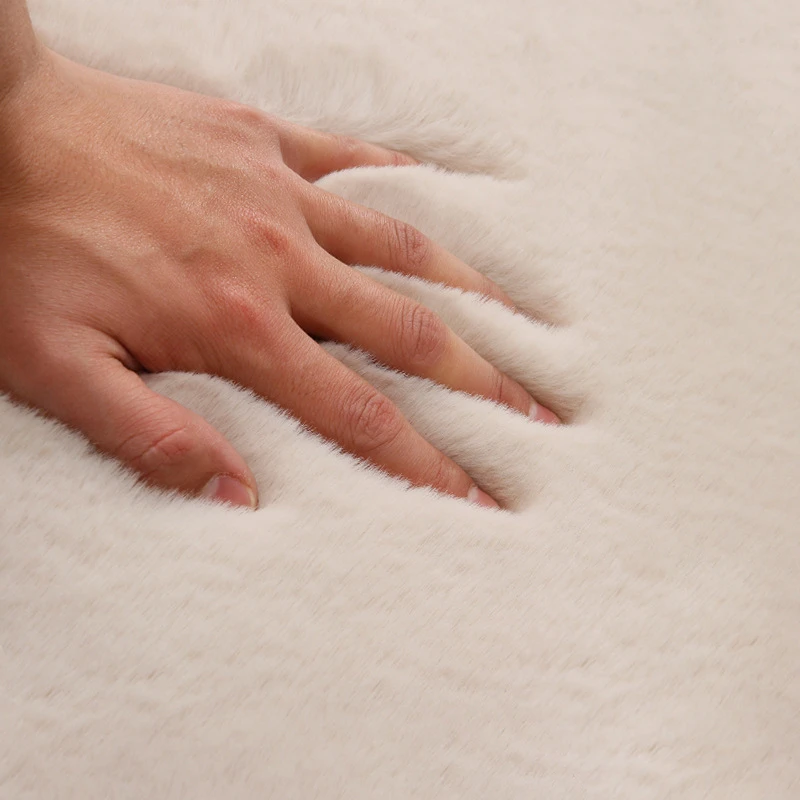
Fluffy faux sheepskin rugs represent a significant development within the broader textile flooring industry, serving as a cost-effective and ethically sourced alternative to genuine sheepskin. These rugs are primarily composed of synthetic fibers engineered to mimic the tactile properties and aesthetic appeal of natural sheep wool. Their technical position lies within the realm of synthetic textile manufacturing, specifically focusing on pile fabric construction and polymer chemistry. Core performance characteristics center around thermal insulation, tactile comfort, aesthetic similarity to animal-derived products, and ease of maintenance. Unlike natural sheepskin, faux sheepskin is inherently resistant to allergens and requires minimal specialized cleaning. This guide provides an in-depth technical analysis of these rugs, covering material science, manufacturing processes, performance characteristics, potential failure modes, and relevant industry standards. The escalating consumer demand for cruelty-free and easily maintained home furnishings fuels the continuing innovation and refinement of faux sheepskin rug technology.
Material Science & Manufacturing
The primary material constituent of fluffy faux sheepskin rugs is typically polyester – specifically, micro-polyester fibers. While acrylic is occasionally used, polyester offers superior durability, resilience, and dyeability. The manufacturing process begins with the polymerization of ethylene glycol and terephthalic acid to create polyethylene terephthalate (PET). This PET is then extruded into fine filaments, typically ranging from 0.8 to 1.5 denier, to achieve the desired softness. These filaments undergo a crimping process, either mechanically or through chemical texturing, to introduce bulk and create the illusion of natural wool’s curl. The crimped fibers are then tufted into a backing material, traditionally polypropylene or jute, using a tufting machine. Pile height varies widely, from 20mm (short pile) to 60mm or more (long pile) affecting the rug’s perceived fluffiness and density. Following tufting, a latex adhesive secures the fibers to the backing. A secondary backing layer, often felt or canvas, provides additional stability and prevents slippage. Crucially, the density of the tufted pile (stitches per square inch) and the fiber weight (grams per square meter) directly influence the rug's thermal insulation and tactile feel. Parameter control during extrusion – temperature, feed rate, and quenching – is critical to ensure consistent fiber diameter and tensile strength. Dyeing occurs either during fiber production (solution dyeing) for enhanced colorfastness or post-tufting using water-based dyes. Quality control focuses on fiber tensile strength (ASTM D2256), colorfastness to light (ISO 105-B02), and pile density variation.
Performance & Engineering
The performance of fluffy faux sheepskin rugs is largely dictated by their thermal resistance (R-value), abrasion resistance (Taber abrasion test – ASTM D4966), and resilience (springback after compression). Thermal resistance, while lower than genuine sheepskin due to the lower inherent insulation of polyester, is still appreciable, typically ranging from 0.8 to 1.2 R-value per inch of pile height. Engineering considerations revolve around minimizing fiber shedding, ensuring dimensional stability (resistance to shrinking or stretching), and preventing delamination of the backing layers. The backing material’s tensile strength and adhesion to the latex layer are critical failure points. Force analysis during use reveals that the rug experiences primarily compressive forces from foot traffic and static loading from furniture. Environmental resistance is a key concern. Prolonged exposure to ultraviolet (UV) radiation can cause color fading and fiber degradation, particularly in rugs using lower-quality dyes. Moisture absorption is minimal due to polyester’s hydrophobic nature, but spills should be addressed promptly to prevent staining. Compliance requirements, particularly for rugs intended for children's rooms, often mandate compliance with flammability standards (e.g., California Proposition 65) and the absence of harmful chemicals (e.g., REACH regulation in Europe). The rug's overall structural integrity relies on the proper balancing of pile height, fiber density, and backing material strength.
Technical Specifications
| Parameter | Unit | Typical Value (Low Range) | Typical Value (High Range) |
|---|---|---|---|
| Pile Height | mm | 20 | 60 |
| Fiber Density | g/m² | 800 | 2000 |
| Fiber Material | - | Polyester | Polyester |
| Backing Material | - | Polypropylene | Jute |
| Tensile Strength (Fiber) | cN/tex | 60 | 120 |
| Colorfastness to Light | Grey Scale Rating | 4 | 7 |
| Thermal Resistance (R-value) | R-value/inch | 0.8 | 1.2 |
Failure Mode & Maintenance
Common failure modes in fluffy faux sheepskin rugs include fiber shedding, pile matting, delamination of the backing, and color fading. Fiber shedding is inherent to the manufacturing process and is exacerbated by high-traffic areas. Pile matting occurs due to compression of the fibers over time, reducing their loft and resilience. Delamination, the separation of the pile from the backing, results from inadequate latex adhesion or mechanical stress. Color fading is primarily caused by UV exposure and the use of substandard dyes. Oxidation of the polyester fibers, although slow, can occur with prolonged exposure to oxygen and heat, leading to brittleness and discoloration. Maintenance is crucial to prolonging the rug’s lifespan. Regular vacuuming (using a suction-only nozzle to avoid snagging) removes dust and debris. Spot cleaning with a mild detergent and water is recommended for spills. Avoid harsh chemicals or abrasive cleaners, as these can damage the fibers. Professional cleaning is recommended annually. For delamination, re-adhering the pile to the backing with a suitable latex adhesive is a potential repair option, but the long-term effectiveness is limited. Replacing the rug is often the most practical solution when widespread failure occurs. Preventative measures include rotating the rug periodically to distribute wear, using rug pads to provide cushioning and prevent slippage, and minimizing direct sunlight exposure.
Industry FAQ
Q: What is the primary difference in performance between polyester and acrylic faux sheepskin rugs?
A: Polyester generally exhibits superior abrasion resistance, tensile strength, and colorfastness compared to acrylic. Acrylic tends to pill more readily and is more susceptible to UV degradation. While acrylic is initially softer, polyester maintains its shape and resilience longer under sustained use.
Q: How does the backing material affect the overall durability of the rug?
A: The backing material provides structural support and prevents the pile from separating. Polypropylene backings offer good moisture resistance and are cost-effective, while jute backings are more breathable but less durable and prone to mold growth in humid environments. The adhesive bond between the pile and backing is critical; a weak bond leads to delamination.
Q: What flammability standards should be considered when selecting a faux sheepskin rug?
A: Depending on the intended application and geographical location, relevant flammability standards include California Proposition 65 (for formaldehyde emissions) and various national standards (e.g., EN 13501-1 in Europe, NFPA 701 in the USA). Rugs intended for children’s rooms should meet stringent flammability requirements.
Q: How can color fading be minimized in faux sheepskin rugs?
A: Utilizing solution-dyed fibers, which are colored during the extrusion process, offers significantly improved colorfastness compared to post-tufting dyeing. Minimizing direct sunlight exposure and using UV-protective window films can also help prevent fading. Regular rotation of the rug will distribute light exposure and prevent uneven fading.
Q: What is the recommended cleaning process to maintain the longevity of a fluffy faux sheepskin rug?
A: Regular vacuuming with a suction-only nozzle is essential. Spot cleaning with a mild detergent and cool water is recommended for spills. Avoid harsh chemicals, bleach, and abrasive cleaners. Professional cleaning is advised annually to deep clean the fibers and restore their loft. Avoid prolonged soaking, as this can weaken the backing.
Conclusion
Fluffy faux sheepskin rugs offer a compelling combination of aesthetic appeal, affordability, and ease of maintenance, positioning them as a viable alternative to natural sheepskin. The performance characteristics of these rugs are fundamentally determined by the choice of materials – primarily polyester – and the precision of the manufacturing process, including fiber crimping, tufting density, and adhesive bonding. Understanding the potential failure modes, such as fiber shedding, delamination, and color fading, is crucial for informed procurement and proactive maintenance.
Continued innovation in polymer technology and textile manufacturing will likely lead to further improvements in the durability, resilience, and environmental sustainability of faux sheepskin rugs. Future developments may focus on utilizing recycled polyester fibers, enhancing UV resistance through advanced coatings, and developing more robust backing materials. Ultimately, a comprehensive understanding of the material science and engineering principles underlying these products is essential for ensuring long-term performance and customer satisfaction.