

fluffy white round rug Performance Analysis
Introduction
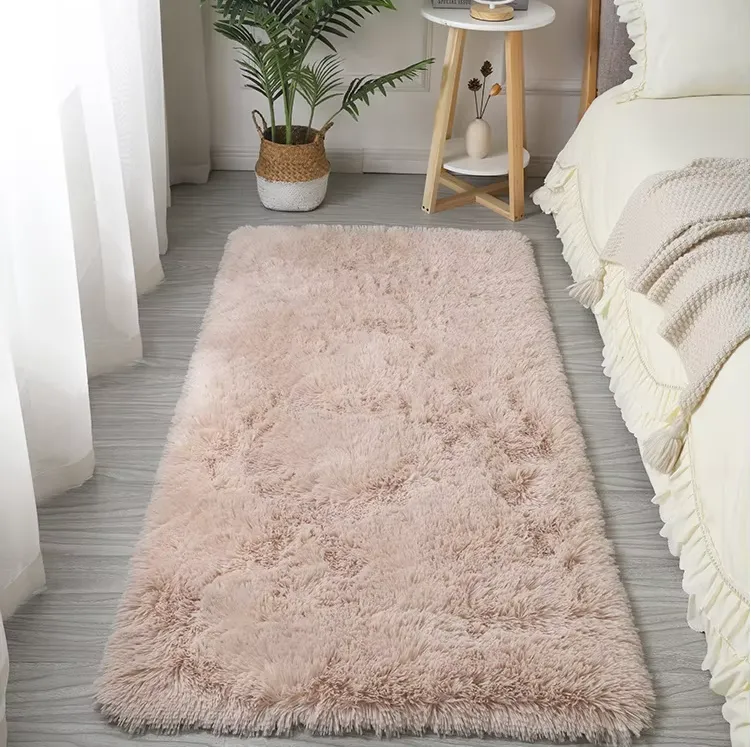
Fluffy white round rugs represent a significant segment within the broader textile floor covering industry, functioning primarily as decorative and comfort-enhancing elements in residential and light commercial spaces. Technically, they fall under the classification of pile carpets, differentiated by their circular shape, predominantly white coloration, and characteristically high pile height – contributing to their “fluffy” texture. Unlike woven rugs, most fluffy white round rugs are tufted or needle-punched constructions, utilizing synthetic fibers. Their performance is critically evaluated based on pile density, fiber shed, colorfastness, and resilience. The core function addresses consumer demand for soft flooring solutions, impacting interior aesthetics and tactile comfort. A key industry pain point revolves around maintaining consistent whiteness, preventing matting and compression, and ensuring durability against foot traffic and routine cleaning.
Material Science & Manufacturing
The primary material in most fluffy white round rugs is polypropylene (PP), specifically heat-set PP fiber. PP is selected for its low cost, inherent stain resistance, and ability to be readily extruded into fine filaments. Polyester is also common, offering superior softness and color retention, though at a higher cost. The fiber denier (thickness) typically ranges from 2D to 6D, influencing the rug’s overall softness. Manufacturing begins with fiber production via melt spinning. The extruded fibers are then drawn and textured to enhance bulk and resilience. The rug construction utilizes tufting or needle-punching. Tufting involves inserting the fiber loops through a primary backing material – usually polypropylene – using hundreds of needles. Needle punching mechanically interlocks fibers into the backing using barbed needles. A secondary backing, often latex or polyurethane foam, is applied for dimensional stability and cushioning. Parameter control is critical: fiber denier consistency, tuft density (stitches per square inch), loop pile height, backing adhesion strength, and latex/foam weight are all closely monitored. Washing and drying processes remove loose fibers and set the pile. Finally, the rug is sheared to achieve a uniform surface height. Chemical compatibility of the latex/foam backing with cleaning agents is a crucial factor for long-term performance.
Performance & Engineering
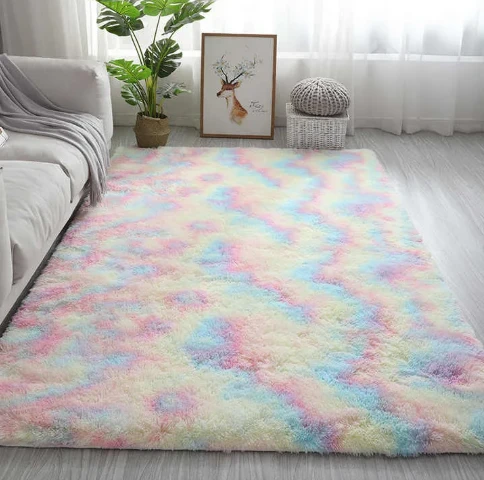
Performance of a fluffy white round rug is governed by several engineering principles. Pile resilience dictates its ability to recover from compression – a higher resilience corresponds to a longer lifespan and better aesthetic retention. This is directly related to fiber crimp and heat-setting during manufacturing. Force analysis reveals that compressive stress concentration occurs at areas of high foot traffic. Fiber loss due to wear contributes to a reduction in pile density and affects the overall structural integrity. Environmental resistance focuses on colorfastness to light (UV exposure) and resistance to common household stains. PP fibers exhibit good UV resistance but can degrade over prolonged exposure. Polyester offers superior UV stability. Compliance requirements often include flammability testing (e.g., passing the European EN 13501-1 standard for floor coverings) and VOC emission standards (e.g., CARB Phase II). The circular shape introduces unique stress patterns compared to rectangular rugs, requiring careful consideration of backing material distribution to prevent warping or uneven wear. Slip resistance is a critical safety factor, often achieved through the application of a non-slip latex coating on the rug’s underside. The design’s ability to withstand repeated cleaning cycles (vacuuming, spot cleaning) without significant pile degradation is paramount.
Technical Specifications
| Parameter | Unit | Typical Value (Low End) | Typical Value (High End) |
|---|---|---|---|
| Pile Height | mm | 25 | 60 |
| Fiber Density | stitches/in² | 200 | 800 |
| Total Weight | g/m² | 800 | 2000 |
| Fiber Material | - | Polypropylene (PP) | Polyester |
| Backing Material | - | Polypropylene | Latex Foam |
| Colorfastness to Light | Rating (1-8) | 4 | 7 |
Failure Mode & Maintenance
Common failure modes in fluffy white round rugs include matting, fiber shedding, discoloration, and backing delamination. Matting occurs due to the compression of pile fibers under sustained load, leading to a flattened appearance. This is exacerbated by low pile density and inadequate fiber resilience. Fiber shedding is an inherent characteristic, but excessive shedding indicates poor fiber anchoring or low fiber quality. Discoloration is primarily caused by UV exposure or staining. White rugs are particularly susceptible to visible staining, necessitating prompt cleaning. Backing delamination occurs when the adhesive bond between the pile and the backing weakens, resulting in pile separation. This is often caused by moisture ingress or chemical degradation of the adhesive. Oxidation of the polypropylene fibers can also cause brittleness and discoloration over time. Maintenance should include regular vacuuming (using a suction-only nozzle to avoid snagging fibers), prompt spot cleaning with mild detergent, and avoidance of harsh chemicals. Professional cleaning is recommended annually. Rotating the rug periodically can distribute wear evenly. To mitigate delamination, avoid placing the rug in damp environments.
Industry FAQ
Q: What is the impact of fiber type (PP vs. Polyester) on stain resistance and cleaning requirements?
A: Polypropylene inherently offers good stain resistance to many common household spills due to its hydrophobic nature. However, oil-based stains can be more difficult to remove. Polyester exhibits excellent stain resistance to both water-based and oil-based stains, making it easier to clean. While PP can typically be cleaned with mild detergent, Polyester may require specialized cleaning solutions for certain stains. Both benefit from prompt stain treatment.
Q: How does the rug backing material affect its lifespan and suitability for different floor types?
A: The backing material significantly influences lifespan. Latex backings are cost-effective but prone to cracking and degradation over time, especially with moisture exposure. Polyurethane foam backings offer superior durability and resilience. For hard floors, a non-slip backing (latex or TPR) is essential to prevent movement. On carpets, a felt backing can provide cushioning and protect both the rug and the underlying carpet.
Q: What are the key considerations for maintaining the whiteness of the rug over time?
A: Maintaining whiteness requires minimizing exposure to direct sunlight, which can cause yellowing. Regular vacuuming to remove dirt and debris is crucial. Prompt spot cleaning of any spills is essential to prevent staining. Avoid using chlorine-based bleaches, as they can damage the fibers. Consider a professional cleaning service annually to restore brightness.
Q: How does the pile density (stitches per square inch) relate to the rug’s durability and feel?
A: Higher pile density generally correlates with increased durability and a plusher feel. More stitches per square inch mean more fibers are interwoven, resulting in greater resistance to wear and tear. A higher density also provides better support and cushioning underfoot. However, extremely high density can sometimes make the rug feel less soft initially.
Q: What flammability standards are typically applied to fluffy white round rugs?
A: Flammability standards vary by region. In the US, the standard is often PI-101. In Europe, EN 13501-1 is commonly used, classifying rugs based on their burning behavior. These tests assess factors such as ignition source, flame spread, and smoke production. Rugs must meet the minimum requirements for their intended application.
Conclusion
Fluffy white round rugs represent a balance between aesthetic appeal, tactile comfort, and functional performance. Their manufacturing relies heavily on synthetic fiber technology, specifically polypropylene and polyester, and the tufting/needle-punching process. Maintaining long-term performance necessitates careful consideration of fiber properties, backing material selection, and diligent maintenance practices.
Future development within this segment will likely focus on sustainable fiber options (e.g., recycled PET), enhanced stain-resistant coatings, and innovative backing materials offering improved durability and environmental compatibility. Addressing the inherent challenges of maintaining whiteness and preventing matting will remain key areas of innovation for manufacturers.