

fur rug throw Performance Analysis
Introduction
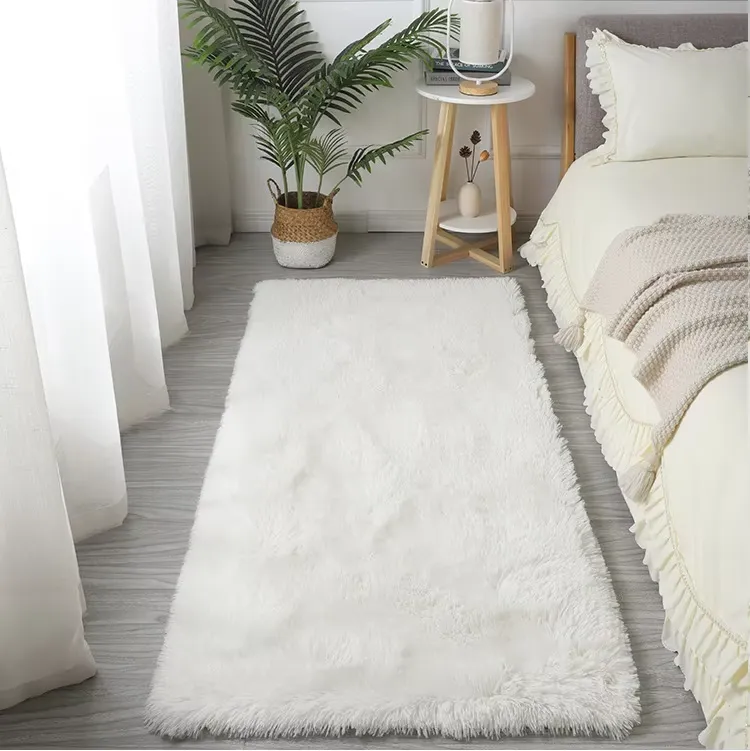
Fur rug throws represent a significant segment within the broader textile and home furnishing industry. These items, typically constructed from natural or synthetic fibers mimicking animal fur, serve primarily as decorative accents, providing warmth and aesthetic appeal. Technically, they bridge the gap between functional textiles (providing insulation) and decorative elements (contributing to interior design). The core performance characteristics of a fur rug throw are defined by its pile height, fiber composition, backing material, and methods of securing the fur-like material to the base. Industry pain points center on consistency of material sourcing, ethical considerations relating to real fur alternatives, durability against shedding and compression, and ensuring consistent colorfastness through repeated cleaning cycles. The global market demand is driven by evolving consumer preferences for luxury and comfort, but is also heavily influenced by concerns over sustainability and animal welfare.
Material Science & Manufacturing
The material science behind fur rug throws is diverse, depending on whether genuine animal fur, faux fur (typically acrylic or modacrylic), or a blend is utilized. Genuine fur, such as sheepskin or rabbit, possesses a complex keratin-based fiber structure, providing excellent insulation due to air entrapment within the fibers. Its manufacturing involves tanning processes – often chromium-based – followed by shearing and dyeing. Faux fur relies heavily on polymer chemistry. Acrylic fibers, often used due to their cost-effectiveness, undergo extrusion processes where molten polymer is forced through spinnerets to create filaments. Modacrylic offers improved flame retardancy and dyeability. Manufacturing processes commonly involve knitting or weaving a base fabric (often polypropylene or cotton) followed by the attachment of the fur fibers via a latch-hooking or tufting method. Critical parameters in tufting include pile density (stitches per inch), gauge (distance between needles), and yarn feed rate. The backing material, frequently jute or a synthetic non-woven fabric, provides structural integrity. Adhesive application – often a polyurethane-based formulation – ensures secure fiber anchoring. Quality control focuses on fiber crimp (influencing texture and loft), fiber length (affecting shedding), and the uniformity of dye penetration. Chemical compatibility between the fiber, adhesive, and backing is paramount to prevent degradation and delamination over time.
Performance & Engineering
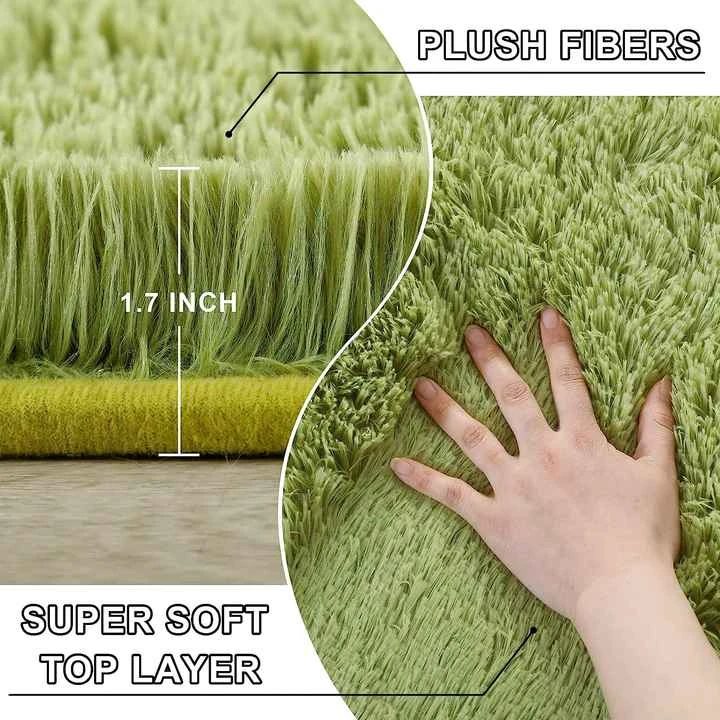
Performance evaluation of fur rug throws hinges on several engineering considerations. Firstly, thermal resistance (R-value) determines its insulating capability, crucial for consumer comfort. This is directly related to pile height and fiber density; higher values indicate superior insulation. Secondly, abrasion resistance (measured via Taber abrasion testing) assesses durability under foot traffic. The choice of fiber – acrylic versus modacrylic – significantly impacts this metric. Thirdly, colorfastness to light and washing (assessed using AATCC standards) prevents fading and bleeding, preserving the aesthetic appeal. Fourthly, tensile strength of the backing material dictates its resistance to tearing. Force analysis focuses on shear forces at the fiber-backing interface; inadequate adhesion leads to shedding. Environmental resistance includes assessing the throw’s behavior under varying humidity levels (influencing mold growth) and temperature fluctuations (affecting dimensional stability). Compliance requirements often necessitate flame retardancy testing (e.g., California Technical Bulletin 117) to meet safety standards. Functional implementation relies on optimized fiber orientation to maximize loft and softness, contributing to the tactile experience. Proper backing construction prevents deformation and maintains the desired shape.
Technical Specifications
| Parameter | Unit | Acrylic Fiber | Modacrylic Fiber |
|---|---|---|---|
| Pile Height | mm | 20-40 | 25-45 |
| Fiber Density | g/m² | 200-400 | 250-450 |
| Tensile Strength (Backing) | N/cm | 50-80 | 60-90 |
| Colorfastness to Light (AATCC 16E) | Rating (1-5) | 3-4 | 4-5 |
| Flame Retardancy (California TB 117) | Pass/Fail | Fail (typically requires treatment) | Pass |
| Abrasion Resistance (Taber Abrasion) | Cycles to Wear | 100-200 | 250-400 |
Failure Mode & Maintenance
Fur rug throws are susceptible to several failure modes. Shedding, the most common issue, results from inadequate fiber anchorage or mechanical stress. This is exacerbated by lower pile densities and poorly adhered fibers. Fiber degradation, particularly in acrylic materials, can occur due to prolonged UV exposure, leading to brittleness and breakage. Compression set, a permanent deformation under sustained load, is common in lower-density throws, reducing loft and comfort. Delamination – separation of the fur fibers from the backing – arises from adhesive failure, often triggered by temperature fluctuations or improper cleaning. Oxidation of acrylic fibers can lead to discoloration and loss of softness. Maintenance solutions include regular vacuuming with a brush attachment to remove loose fibers and debris. Spot cleaning with mild detergent and cold water is recommended; avoid harsh chemicals and excessive moisture. Professional cleaning is advised for deep cleaning and stain removal. To mitigate shedding, avoid excessive foot traffic and rough handling. Store throws in a cool, dry place away from direct sunlight to prevent fiber degradation and discoloration. Periodically rotating the throw can distribute wear and prevent localized compression.
Industry FAQ
Q: What is the primary difference between acrylic and modacrylic fur rug throws regarding fire safety?
A: Acrylic fibers are inherently flammable and typically require chemical treatment to meet fire safety regulations like California Technical Bulletin 117. Modacrylic fibers, however, possess inherent flame retardancy due to their chemical composition, often passing TB 117 without additional treatment. This makes modacrylic a preferable, though typically more expensive, option where fire safety is a critical concern.
Q: How does pile density impact the thermal performance of a fur rug throw?
A: Pile density, measured in grams per square meter (g/m²), directly correlates with thermal resistance (R-value). Higher pile densities create more air pockets within the fibers, providing greater insulation and reducing heat transfer. A denser pile translates to a warmer and more comfortable throw.
Q: What are the common causes of shedding in faux fur rug throws and how can they be minimized?
A: Shedding primarily occurs due to inadequate fiber anchorage within the backing or mechanical abrasion. Contributing factors include lower pile densities, poor adhesive quality, and excessive friction. Minimization strategies involve choosing throws with higher pile densities and reinforced backing, avoiding rough handling, and regular, gentle vacuuming.
Q: What is the recommended cleaning method for a fur rug throw to maintain its softness and prevent damage?
A: Spot cleaning with a mild detergent and cold water is generally recommended. Avoid harsh chemicals, bleach, and excessive moisture. Professional dry cleaning is advisable for thorough cleaning. Machine washing, if permitted by the manufacturer, should be done on a gentle cycle with cold water and a delicate detergent.
Q: How does the backing material contribute to the overall durability and performance of a fur rug throw?
A: The backing material provides structural integrity and prevents deformation. Its tensile strength dictates its resistance to tearing. The adhesive used to bond the fur fibers to the backing is critical for preventing delamination. A high-quality backing material, combined with a strong adhesive, ensures long-term durability and prevents loss of shape.
Conclusion
Fur rug throws, whether employing genuine or synthetic fur, represent a complex interplay of material science, manufacturing processes, and performance engineering. The core functionality revolves around providing thermal comfort and aesthetic appeal, with durability and resistance to degradation being key considerations. The choice between acrylic and modacrylic fibers hinges on balancing cost, flammability concerns, and desired aesthetic qualities. Maintaining these throws requires gentle cleaning practices and preventative measures to minimize shedding and preserve loft.
Future trends will likely focus on the development of more sustainable and ethically sourced faux fur alternatives, incorporating recycled materials and bio-based polymers. Advanced manufacturing techniques, such as 3D tufting, may enable greater control over pile density and fiber orientation, leading to improved performance characteristics. Enhanced adhesive formulations will contribute to increased durability and resistance to delamination, extending the lifespan of these increasingly popular home furnishings.