


gray faux fur area rug Performance Analysis
Introduction
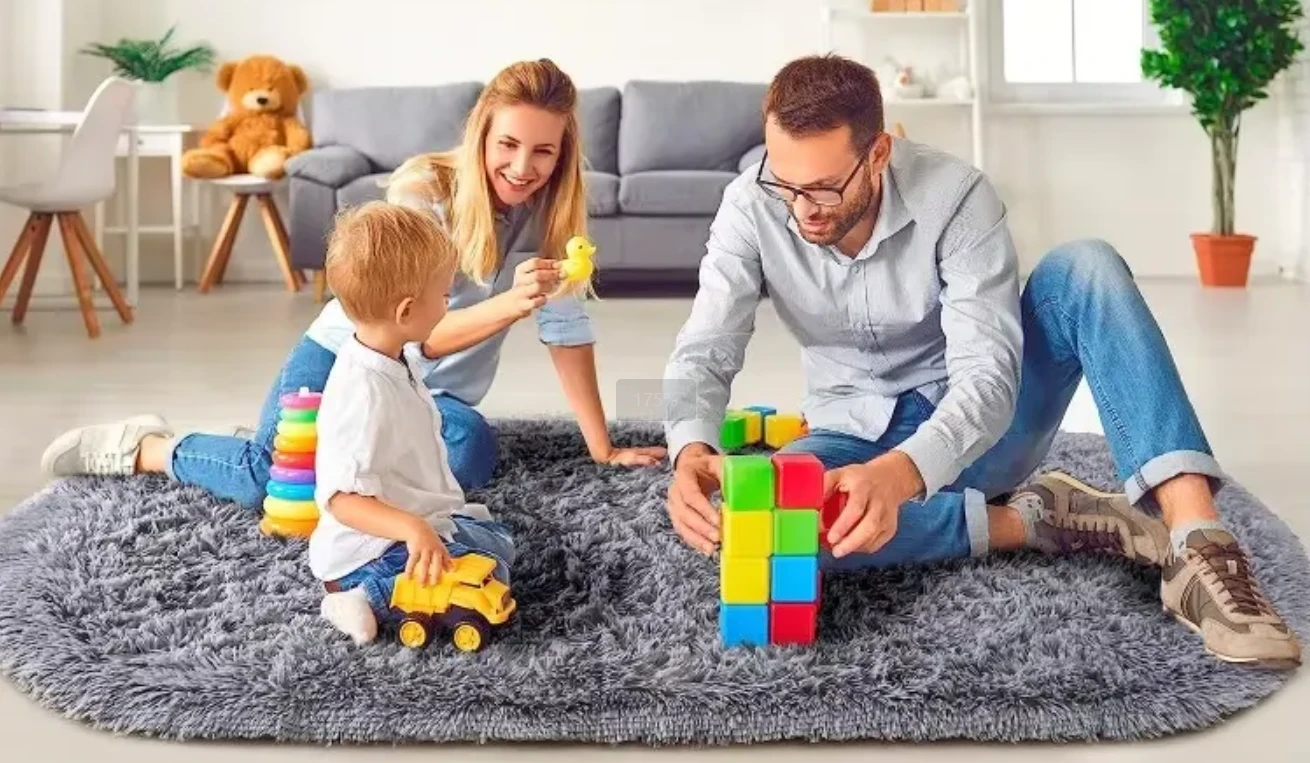
Gray faux fur area rugs represent a synthetic textile floor covering designed to mimic the aesthetic and tactile properties of natural animal fur. Positioned within the broader home furnishings industry, specifically the decorative rug sector, these products serve primarily aesthetic and comfort functions. Their construction leverages advancements in polymer science and fiber manufacturing, offering a cost-effective and often more ethically sourced alternative to genuine fur. Core performance characteristics center around pile height, fiber density, base material durability, and resistance to common wear and tear, including crushing and shedding. The increasing consumer demand for affordable luxury and pet-friendly surfaces has driven growth in this product category, presenting unique challenges in terms of material longevity and cleaning protocols. This guide provides a comprehensive technical overview of gray faux fur area rugs, encompassing material science, manufacturing processes, performance analysis, failure modes, and industry standards.
Material Science & Manufacturing
The predominant material in gray faux fur area rugs is typically a synthetic fiber, most commonly polypropylene (PP) or polyester (PET). Polypropylene is favored for its inherent stain resistance, low cost, and ability to be texturized into a convincing fur-like appearance. Polyester offers superior softness and resilience, but can be more susceptible to staining. The manufacturing process begins with the extrusion of the polymer into long, continuous filaments. These filaments are then subjected to a process called heat-setting, which imparts a permanent crimp or curl, contributing to the 'fluffiness' of the fur. This crimping is critical; the degree of crimp affects pile density and the overall visual texture. Following heat-setting, the fibers are dyed using solution dyeing or piece dyeing techniques. Solution dyeing, where pigment is added during the polymer extrusion process, offers superior colorfastness. Piece dyeing involves dyeing the finished yarn or fabric, which is less durable. The fibers are then tufted or woven into a backing material, typically polypropylene or jute. Tufting involves inserting loops of yarn into a primary backing, followed by coating with a secondary backing of latex or polyurethane for stability. Woven rugs utilize interlacing warp and weft yarns, creating a more durable but often less plush product. Density, measured in ounces per square yard (oz/yd²) or grams per square meter (g/m²), is a key parameter; higher density generally correlates with improved durability and a more luxurious feel. Parameter control during extrusion, heat-setting temperature, dye concentration, and backing adhesion are critical for maintaining consistent product quality.
Performance & Engineering
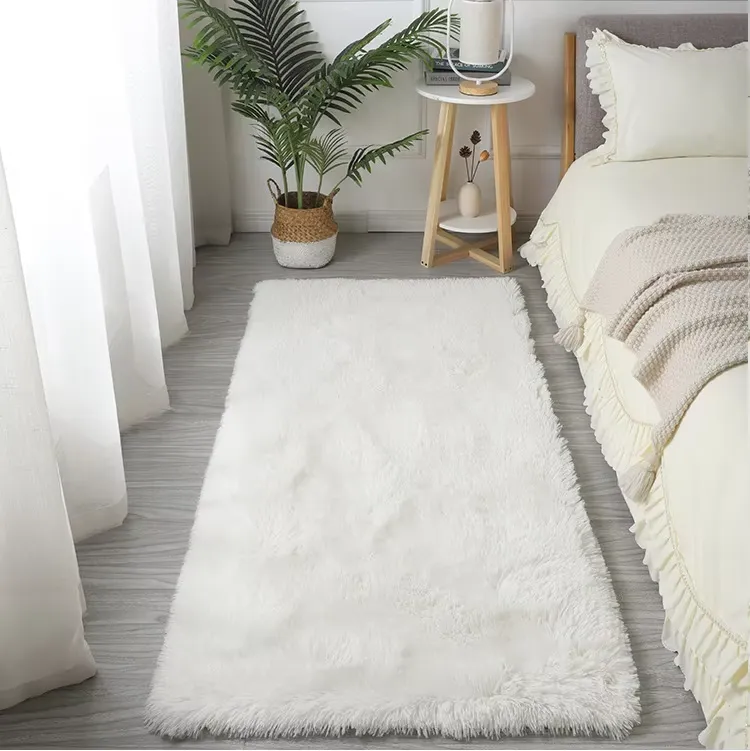
Performance of gray faux fur area rugs is governed by several engineering considerations. Pile height significantly impacts tactile comfort and visual appearance, ranging typically from 0.5 to 2 inches. Higher pile heights are more susceptible to crushing and matting. Fiber tensile strength, determined through tests like ASTM D2256, dictates resistance to tearing and abrasion. The backing material contributes substantially to dimensional stability and resistance to delamination. Latex-backed rugs exhibit good initial adhesion but can become brittle with age. Polyurethane backings offer superior flexibility and durability. Environmental resistance is a crucial factor. Prolonged exposure to direct sunlight can cause fading and degradation of the polymer fibers, particularly polyester. UV resistance is often enhanced through the addition of UV stabilizers during the extrusion process. Flammability is addressed through treatments with flame retardants, compliant with standards such as California Technical Bulletin 117. The rugs' performance under load is relevant for high-traffic areas, requiring assessment of compression set (the permanent deformation after load removal). Force analysis demonstrates that the pile fibers distribute load, but excessive or concentrated force leads to compression and potentially fiber breakage. Compliance with VOC emissions standards (e.g., CARB Section 93120) is also essential for indoor air quality, particularly concerning the adhesives used in backing materials.
Technical Specifications
| Parameter | Polypropylene (PP) | Polyester (PET) | Unit |
|---|---|---|---|
| Fiber Denier | 100-300 | 75-400 | dtex |
| Pile Height | 0.5 - 1.5 | 0.75 - 2.0 | inches |
| Pile Density | 800 - 1200 | 900 - 1500 | gsm |
| Tensile Strength | 40 - 60 | 60 - 80 | cN/tex |
| Colorfastness to Light (Gray Scale) | 4-5 | 3-5 | Rating (1-5) |
| Backing Material | Polypropylene/Jute | Polyurethane | - |
Failure Mode & Maintenance
Gray faux fur area rugs are susceptible to several failure modes. Fiber shedding is common, particularly during initial use, stemming from loose fibers not fully locked into the backing. Crushing and matting occur due to prolonged compression, reducing pile loft and creating permanent deformation. This is exacerbated in high-traffic areas. Delamination, the separation of the pile from the backing, arises from inadequate adhesive bonding or degradation of the adhesive over time. Oxidation of the polymer fibers, accelerated by UV exposure, leads to color fading and embrittlement. Abrasion from foot traffic and furniture can cause fiber wear and tear, leading to thinning and visible damage. Maintenance is crucial to mitigate these failures. Regular vacuuming (using a suction-only vacuum head to avoid pulling fibers) removes loose debris and prevents matting. Spot cleaning with a mild detergent and water is recommended for spills, avoiding harsh chemicals that can damage the fibers. Professional cleaning, employing dry cleaning or low-moisture extraction methods, is advised for deep cleaning. Avoiding direct sunlight exposure minimizes UV degradation. Rotation of the rug periodically distributes wear and prevents localized crushing. Prompt attention to spills and debris prevents staining and fiber damage, extending the rug’s lifespan. For delamination, adhesive re-application by a professional is the only viable repair option.
Industry FAQ
Q: What is the primary difference between polypropylene and polyester faux fur rugs in terms of longevity?
A: Polyester generally exhibits better resilience and retains its pile height for a longer duration than polypropylene. However, polypropylene is more inherently stain-resistant. Therefore, longevity depends on usage conditions; high-traffic areas might benefit from polypropylene's durability, while areas with minimal wear and a focus on aesthetics might favor polyester’s softer feel and long-term loft retention.
Q: How does the backing material influence the rug’s overall performance?
A: The backing material is critical for dimensional stability and preventing delamination. Polyurethane backings are generally superior to latex, offering better flexibility, abrasion resistance, and long-term adhesion. Jute backings are less expensive but provide minimal support and are susceptible to moisture damage.
Q: What level of UV protection is typically incorporated into these rugs, and is it sufficient for prolonged outdoor use?
A: Most faux fur rugs have limited UV protection, typically achieved through the addition of UV stabilizers during the fiber production process. This protection is adequate for indoor use with moderate sunlight exposure. Prolonged direct outdoor use will inevitably lead to color fading and fiber degradation.
Q: What are the implications of VOC emissions from the rug, particularly concerning indoor air quality?
A: VOC emissions primarily originate from the adhesives used in the backing. Reputable manufacturers adhere to VOC emission standards like CARB Section 93120, ensuring emissions are within acceptable limits. Look for rugs certified by independent testing organizations to verify compliance.
Q: How can a buyer assess the quality of the tufting or weaving process before purchasing?
A: Examine the rug closely for consistent pile density and secure fiber attachment. Gently pull on a few fibers; minimal fiber pull-out indicates good tufting or weaving. Inspect the backing for any signs of cracking or delamination. A tightly woven or securely tufted rug will exhibit better durability and withstand wear and tear.
Conclusion
Gray faux fur area rugs represent a compelling balance between aesthetic appeal, affordability, and practical functionality. Their performance is fundamentally linked to the material science of the synthetic fibers—primarily polypropylene and polyester—and the manufacturing processes employed to create the characteristic plush pile. Understanding the nuances of pile height, density, backing materials, and UV resistance is crucial for selecting a rug appropriate for the intended application and environment.
Continued advancements in polymer technology and manufacturing techniques are likely to yield faux fur rugs with enhanced durability, improved stain resistance, and reduced environmental impact. Future considerations may include the development of bio-based polymers as alternatives to traditional fossil-fuel-derived materials, and the integration of antimicrobial treatments to inhibit the growth of allergens and bacteria. Proper maintenance, including regular cleaning and protection from direct sunlight, remains paramount to maximizing the lifespan and preserving the aesthetic qualities of these popular floor coverings.