

grey fur area rug Performance Analysis
Introduction
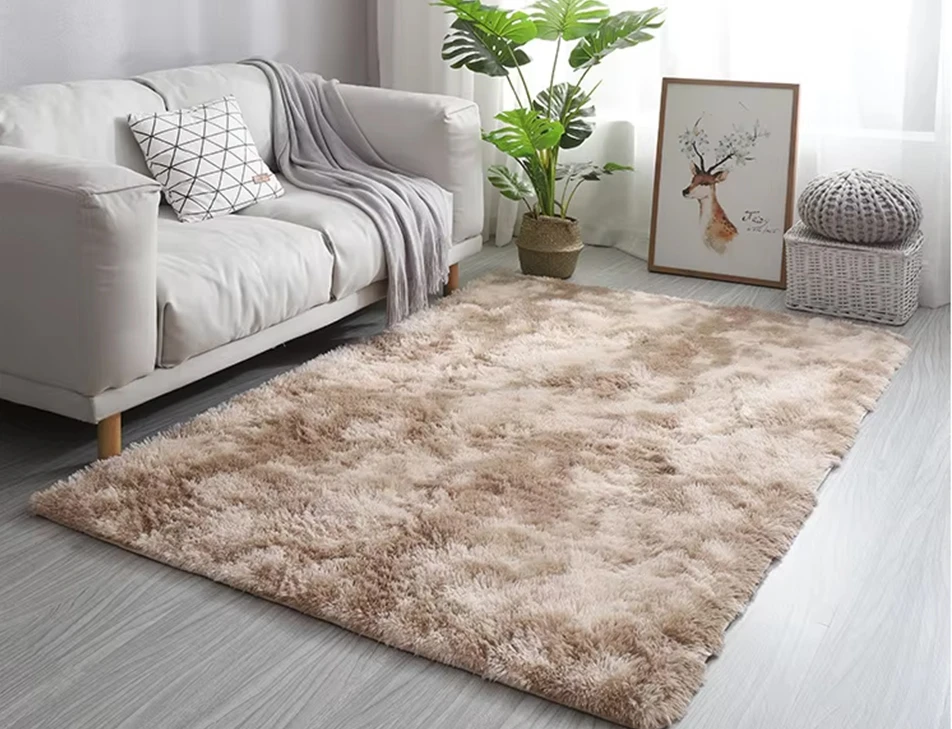
Grey fur area rugs represent a significant segment within the broader floor covering industry, functioning as both decorative and functional elements in residential and commercial spaces. Technically categorized as pile textiles, these rugs are characterized by a high surface density of cut fibers designed to simulate the appearance and tactile qualities of animal fur. Their construction utilizes a foundation material – typically polypropylene, polyester, or jute – upon which the fur-like fibers are attached. Core performance attributes include thermal insulation, sound dampening, aesthetic appeal, and resilience to foot traffic. A key industry challenge centers around balancing the perceived luxury of a fur-like texture with the demands for durability, stain resistance, and cost-effectiveness. Furthermore, the industry is increasingly focused on sustainable sourcing of materials and minimizing the environmental impact of production processes.
Material Science & Manufacturing
The primary material component defining a grey fur area rug is the fiber itself. Polyester and polypropylene are dominant due to their cost-effectiveness, resilience, and ability to be dyed in a wide range of greyscale tones. Polyester fibers, typically polyethylene terephthalate (PET), offer good stain resistance and a softer hand feel, exhibiting a tensile strength ranging from 400-800 MPa. Polypropylene, while less expensive, is prone to oil-based staining and has a lower melting point (around 160°C) which can be a concern during manufacturing. The foundation material is often jute, a natural fiber known for its strength and biodegradability, or a synthetic polypropylene backing for increased durability and dimensional stability. Manufacturing involves tufting or weaving. Tufting involves inserting fibers through a primary backing, followed by latex application and a secondary backing for reinforcement. Weaving, though more complex and expensive, creates a denser, more durable pile. Key parameters in the tufting process include pile height, density (stitches per square inch), and gauge (the number of needles per inch), directly influencing the rug’s texture, weight, and overall performance. Latex curing temperature and time are critical for ensuring adequate fiber lock and preventing shedding. Fiber crimp, introduced during extrusion, impacts the pile's loft and resilience. Chemical compatibility between the fiber, latex, and backing materials is paramount to avoid degradation and maintain structural integrity.
Performance & Engineering
Performance analysis of grey fur area rugs hinges on several key engineering considerations. Firstly, force analysis assesses the rug’s ability to withstand compression from foot traffic and furniture load. Pile resilience, measured by the recovery of fibers after deformation, directly impacts the rug's lifespan and aesthetic appearance. Higher pile heights generally provide greater comfort but are more susceptible to matting. Environmental resistance is critical; prolonged exposure to UV radiation can cause fiber degradation (specifically discoloration and embrittlement in polypropylene) and necessitates the use of UV stabilizers in the manufacturing process. Moisture absorption is another concern, potentially leading to mold growth and fiber damage. Proper ventilation and the use of moisture-resistant backings are crucial. Compliance requirements include flammability testing (typically adhering to standards like California Proposition 69) and VOC emission standards (such as CARB Phase 2) to ensure indoor air quality. Furthermore, slip resistance is essential for safety, and rugs are often treated with latex or rubberized backings to prevent movement on smooth surfaces. The overall structural integrity depends on the bond strength between the pile fibers, the primary backing, and the secondary backing – a failure in any of these areas can lead to delamination and premature wear.
Technical Specifications
| Parameter | Polyester Fiber Rug | Polypropylene Fiber Rug | Jute Backing |
|---|---|---|---|
| Fiber Material | Polyethylene Terephthalate (PET) | Polypropylene (PP) | Jute |
| Pile Height (mm) | 25-50 | 20-40 | N/A |
| Pile Density (stitches/in²) | 800-1200 | 600-1000 | N/A |
| Tensile Strength (MPa) | 400-800 | 300-600 | 40-60 |
| Water Absorption (%) | 0.5-1.0 | 0.1-0.5 | 12-15 |
| Melting Point (°C) | 260 | 160 | N/A |
Failure Mode & Maintenance
Grey fur area rugs are susceptible to several failure modes. Fatigue cracking occurs in the fibers due to repeated compression from foot traffic, leading to a loss of pile integrity and a flattened appearance. Delamination – separation of the pile from the backing – is a common failure, often initiated by weakening of the latex adhesive due to aging or exposure to moisture. Fiber shedding is an inevitable process but can be accelerated by low-quality manufacturing or excessive wear. Oxidation, particularly in polypropylene fibers, results in discoloration and embrittlement, especially in areas exposed to sunlight. Stain penetration is a significant concern, necessitating prompt cleaning and the use of appropriate cleaning agents. Maintenance involves regular vacuuming to remove loose debris and prevent fiber matting. Spot cleaning with a mild detergent and water is recommended for spills. Professional cleaning, utilizing specialized equipment and cleaning solutions, should be performed periodically to remove embedded dirt and restore pile loft. Avoiding direct sunlight exposure and rotating the rug can minimize oxidation and uneven wear. For rugs with jute backing, avoiding prolonged exposure to moisture is crucial to prevent mold growth and backing deterioration.
Industry FAQ
Q: What is the primary difference in performance between polyester and polypropylene fur area rugs?
A: Polyester offers superior stain resistance and a softer hand feel, making it ideal for high-traffic areas and homes with pets or children. Polypropylene is more cost-effective but more susceptible to oil-based stains and has a lower melting point, potentially limiting its use in certain applications. Polyester also generally retains its color and texture longer.
Q: How does the pile height affect the durability and feel of the rug?
A: Higher pile heights (e.g., 50mm) provide a plusher, more luxurious feel but are more prone to matting and require more frequent vacuuming. Lower pile heights (e.g., 20-25mm) are more durable and easier to maintain, though they offer less cushioning.
Q: What safety standards are critical for grey fur area rugs intended for residential use?
A: Flammability testing (meeting standards like California Proposition 69) is paramount. Additionally, VOC emission standards (like CARB Phase 2) are increasingly important to ensure good indoor air quality. Slip resistance is also a critical safety consideration.
Q: How can I prevent delamination of the rug?
A: Delamination is often caused by weakening of the latex adhesive. Avoid exposing the rug to excessive moisture, ensure proper ventilation, and choose rugs from reputable manufacturers who utilize high-quality latex formulations and application processes.
Q: What is the environmental impact of these rugs and what are the sustainable alternatives?
A: Traditional rugs often rely on synthetic fibers derived from petroleum. Sustainable alternatives include rugs made from recycled PET fibers, natural fibers like jute (though durability is a trade-off), and bio-based polymers. Manufacturers are also exploring more eco-friendly latex alternatives.
Conclusion
Grey fur area rugs represent a sophisticated intersection of textile engineering, material science, and aesthetic design. Their performance is fundamentally dictated by the careful selection of fiber types (polyester and polypropylene being the dominant choices), robust manufacturing processes (tufting and weaving), and adherence to rigorous quality control standards. Understanding the inherent failure modes – ranging from fiber fatigue and delamination to oxidation and staining – is crucial for both manufacturers and consumers to maximize the product lifecycle and maintain its aesthetic and functional properties.
Looking forward, the industry is poised for continued innovation in sustainable materials and manufacturing techniques. The demand for eco-friendly options, coupled with increasingly stringent environmental regulations, will drive the adoption of recycled fibers and bio-based polymers. Further research into advanced latex formulations and backing materials will enhance rug durability and dimensional stability, ultimately extending product lifespan and reducing waste. Continued focus on optimizing pile construction to balance comfort, resilience, and cost-effectiveness will also be a key area of development.