


hot pink faux fur rug Performance Analysis
Introduction
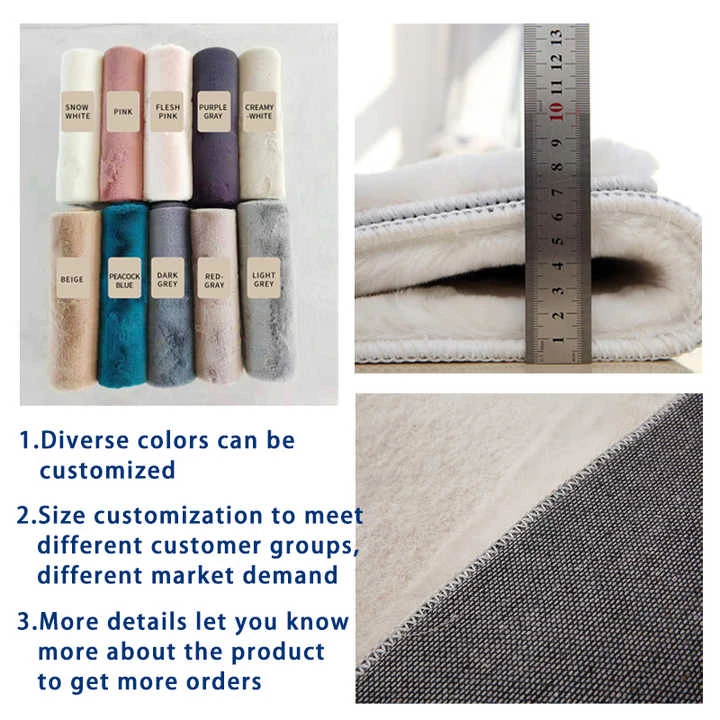
Hot pink faux fur rugs represent a significant segment within the broader decorative textiles market, specifically targeting consumer aesthetics and tactile comfort. Positioned as an affordable alternative to genuine animal fur, these rugs utilize synthetic fiber construction to mimic the appearance and feel of natural fur. Their technical position lies in the intersection of polymer chemistry, textile engineering, and coloration technology. Core performance characteristics center around pile density, fiber tenacity, colorfastness, and resistance to wear. The increasing demand is driven by ethical consumerism (avoidance of real fur) and accessibility, influencing interior design trends across residential and commercial sectors. Understanding the underlying material science is crucial to assessing long-term durability and appropriate application.
Material Science & Manufacturing
The predominant raw material in hot pink faux fur rugs is typically polypropylene (PP) or modacrylic fiber, though polyester is also utilized. Polypropylene, a thermoplastic polymer, is favored for its cost-effectiveness, inherent stain resistance, and ability to be texturized into a soft, fur-like pile. Modacrylic fibers offer superior dyeability and flame retardancy, enhancing aesthetic options and safety. The manufacturing process begins with polymer extrusion, creating continuous filaments. These filaments undergo crimping, a mechanical process that imparts bulk and texture. The crimped fibers are then dyed using solution dyeing or piece dyeing techniques. Solution dyeing incorporates pigment into the molten polymer before extrusion, resulting in exceptional colorfastness. Piece dyeing involves applying dye to the finished yarn or fabric. Following dyeing, the fibers are tufted or woven into a backing material, commonly polypropylene or jute. The pile height, density, and finishing treatments (e.g., brushing, shearing) are critical parameters controlled during manufacturing to achieve desired aesthetic and performance attributes. Proper control of these parameters dictates the rug's feel, appearance and longevity. The selection of appropriate dyes with high lightfastness is crucial for maintaining the vibrant hot pink coloration. Chemical compatibility between the fiber and backing materials is also essential to prevent delamination.
Performance & Engineering
Performance of hot pink faux fur rugs is assessed through several key engineering principles. Pile compression resilience dictates the rug's ability to recover its original shape after foot traffic. This is directly related to fiber denier and crimp frequency. Tensile strength, measured in Newtons (N) or pounds-force (lbf), determines resistance to tearing. The backing material significantly contributes to overall tensile strength. Colorfastness to light, assessed using the Gray Scale rating (ISO 105-B02), evaluates the rug's resistance to fading upon UV exposure. Abrasion resistance, tested using methods like the Taber Abraser (ASTM D4966), quantifies the rug's ability to withstand wear from foot traffic. Flammability testing (ASTM E84) is vital, particularly for commercial applications, to ensure compliance with fire safety regulations. Static charge build-up can be a concern with synthetic fibers; antistatic treatments may be applied. Environmental resistance is paramount; exposure to moisture, temperature fluctuations, and cleaning agents must be considered. The dimensional stability of the rug, i.e., its resistance to shrinkage or stretching, is also important and influenced by the backing material and fiber type. Force analysis during manufacturing, especially tufting density, directly affects the rug's structural integrity.
Technical Specifications
| Parameter | Polypropylene (PP) | Modacrylic | Polyester |
|---|---|---|---|
| Pile Height (mm) | 25-50 | 30-60 | 20-40 |
| Pile Density (g/m²) | 600-1200 | 800-1500 | 500-1000 |
| Tensile Strength (N/50mm) | 80-120 | 100-150 | 70-100 |
| Colorfastness to Light (Gray Scale) | 4-5 | 4.5-5 | 3-4 |
| Abrasion Resistance (Taber Cycles) | 500-800 | 600-900 | 400-600 |
| Flammability (ASTM E84 - Flame Spread) | < 25 | < 20 | < 30 |
Failure Mode & Maintenance
Common failure modes in hot pink faux fur rugs include pile shedding, matting, color fading, and delamination. Pile shedding occurs due to fiber breakage from abrasion and repeated compression. Matting results from fiber deformation and loss of resilience. Color fading is primarily caused by UV exposure, particularly with dyes lacking sufficient lightfastness. Delamination occurs when the pile separates from the backing material, often due to adhesive failure or incompatible materials. Oxidation of the polymer fibers, though slow, can contribute to brittleness over extended periods. Preventive maintenance includes regular vacuuming to remove abrasive particles, avoiding direct sunlight exposure, and prompt stain removal. For spot cleaning, a mild detergent diluted in water is recommended; harsh chemicals can damage the fibers. Professional cleaning is advised for deep cleaning. To mitigate delamination, avoiding excessive moisture and high humidity is crucial. Should delamination occur, re-adhering the pile with a suitable textile adhesive may provide a temporary repair, but complete restoration is often impractical. Regular rotation of the rug will distribute wear more evenly, extending its lifespan.
Industry FAQ
Q: What is the impact of different backing materials on the rug's longevity?
A: Backing materials significantly influence durability. Polypropylene backings offer good resilience and moisture resistance but may lack dimensional stability. Jute backings are more eco-friendly and provide better stability but are susceptible to moisture damage and mildew. Latex backings provide excellent adhesion but can degrade over time, leading to delamination. A woven polypropylene backing generally provides the best balance of properties for faux fur rugs.
Q: How does solution dyeing compare to piece dyeing in terms of colorfastness and cost?
A: Solution dyeing offers superior colorfastness as the pigment is integrated into the fiber itself, resisting fading even with extensive UV exposure. However, it is generally more expensive than piece dyeing due to the specialized equipment and process. Piece dyeing is more cost-effective but results in lower colorfastness, particularly for vibrant colors like hot pink.
Q: What are the common issues with hot pink faux fur rugs in high-traffic areas?
A: In high-traffic areas, the primary issues are pile matting and shedding. The vibrant hot pink color can also show wear more readily than neutral tones. Using a rug pad to provide cushioning and reduce compression, and regular vacuuming, can help mitigate these problems. Selecting a rug with a higher pile density will also improve its resilience.
Q: Are there any specific cleaning agents to avoid when cleaning a hot pink faux fur rug?
A: Avoid harsh chemicals like bleach, ammonia, and solvent-based cleaners, as these can damage or discolor the fibers. Also, avoid abrasive cleaning tools that can cause pile damage. Always test any cleaning agent on an inconspicuous area first to ensure compatibility.
Q: What is the role of fiber denier in determining the softness and feel of the rug?
A: Fiber denier, measured in grams per 9000 meters, indicates the thickness of the individual fibers. Lower denier values correspond to finer, softer fibers, resulting in a more luxurious feel. However, lower denier fibers are generally less durable. A balance must be struck between softness and durability based on the intended application.
Conclusion
Hot pink faux fur rugs represent a complex interplay of material science, manufacturing processes, and performance engineering. The selection of appropriate polymer fibers (polypropylene, modacrylic, or polyester) and optimized manufacturing parameters—particularly relating to pile density and dyeing techniques—are critical to achieving desired aesthetic qualities and long-term durability. Understanding potential failure modes, such as pile shedding, delamination, and color fading, informs effective maintenance strategies.
The ongoing trend towards ethical consumerism and accessible luxury continues to drive demand for these rugs. Future advancements may focus on developing more sustainable fiber sources, enhancing colorfastness through innovative dye technologies, and improving the performance characteristics of backing materials. Ultimately, a thorough understanding of the technical specifications and inherent limitations of these products is essential for informed procurement and optimal performance.