

imitation sheepskin rugs Performance Analysis
Introduction
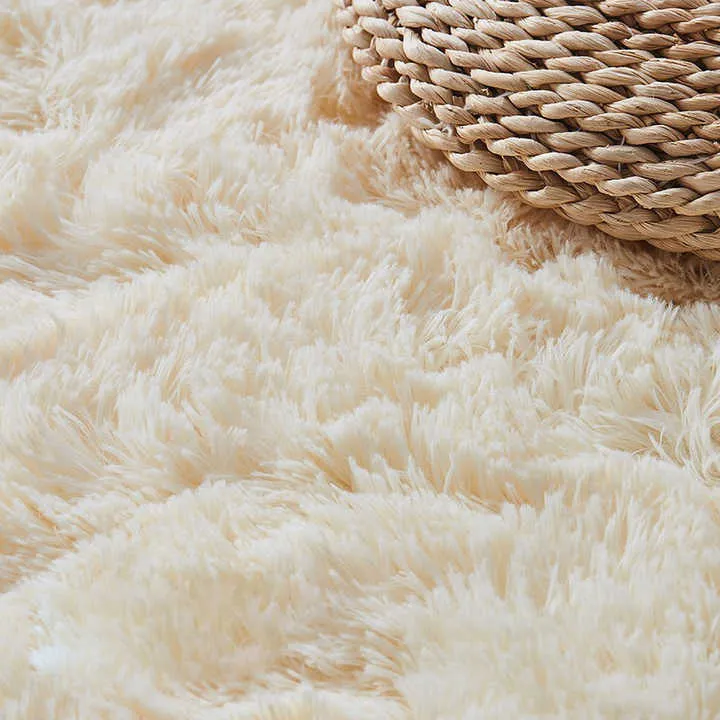
Imitation sheepskin rugs, also known as faux sheepskin rugs, represent a significant category within the broader textile and floor covering industry. These rugs are designed to replicate the aesthetic and tactile qualities of genuine sheepskin, but utilize synthetic materials, predominantly acrylic, polyester, and modacrylic blends. They serve a diverse range of applications, including residential décor, automotive interiors, photography props, and increasingly, industrial settings requiring cushioning and non-slip surfaces. Their technical position lies in providing a cost-effective and ethically sourced alternative to natural sheepskin, mitigating concerns regarding animal welfare and material consistency. Core performance characteristics focus on pile height, density, fiber durability, and resistance to shedding, all of which influence the overall aesthetic appeal, comfort, and longevity of the product. Unlike natural sheepskin, which possesses inherent lanolin and varying fiber structures, imitation sheepskin offers predictable performance parameters and enhanced control over manufacturing processes.
Material Science & Manufacturing
The foundation of imitation sheepskin lies in the properties of its constituent polymers. Acrylic fibers, commonly employed, are produced via the polymerization of acrylonitrile, offering excellent bulk, softness, and resistance to sunlight degradation. Polyester, often used in blends, contributes to increased durability, resilience, and colorfastness. Modacrylic fibers provide enhanced flame retardancy and a softer hand feel. The manufacturing process typically begins with the extrusion of these polymers into fibers, followed by crimping to create a more textured and voluminous appearance. These fibers are then tufted into a primary backing material, usually polypropylene or jute, using specialized tufting machines. Density, measured in ounces per square yard, is a critical parameter controlled during tufting, directly impacting the rug’s density and feel. Following tufting, a latex coating is applied to secure the fibers, enhancing dimensional stability. Finally, a secondary backing, often felt or rubber, is laminated to the rug to provide additional cushioning, non-slip properties, and overall structural integrity. Parameter control focuses on denier (fiber thickness), crimp frequency, tuft density, latex weight, and backing material composition. Consistent monitoring of these parameters is crucial to maintaining uniform product quality and minimizing variations in pile height and density. Variations in dye lot and polymer composition can affect UV resistance and color stability over time, necessitating rigorous quality control procedures throughout the production process.
Performance & Engineering
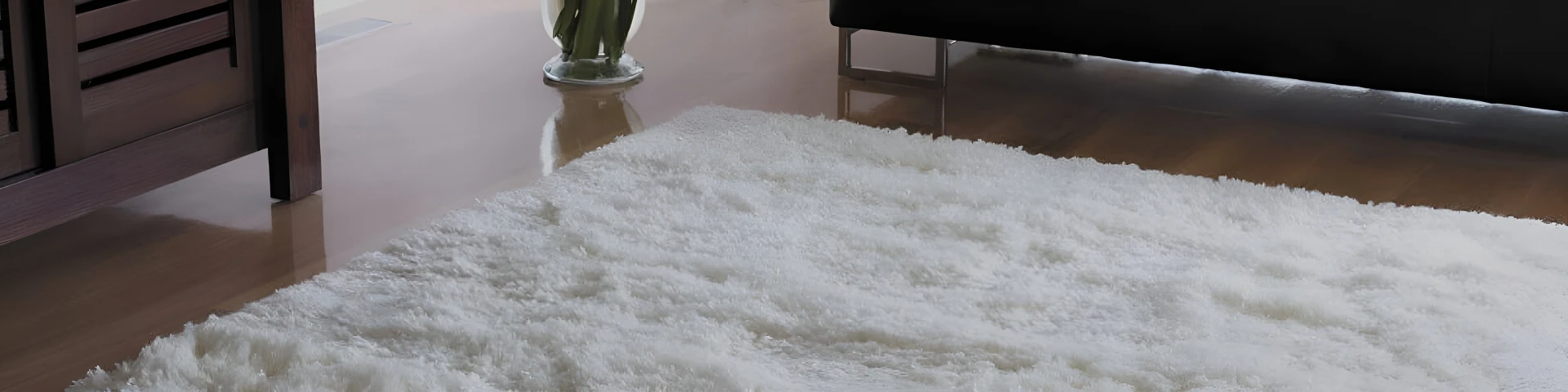
Performance evaluation of imitation sheepskin rugs centers around mechanical stress testing, environmental resistance assessment, and adherence to safety standards. Tensile strength, measured using ASTM D2256, determines the rug's resistance to tearing and stretching under load. Pile retention, assessed through repeated brushing and vacuuming, indicates the rug's ability to withstand wear and maintain its aesthetic appearance. Flammability testing, conforming to standards like ASTM E84 or EN 13501-1, is paramount, particularly for applications in public spaces or high-traffic areas. Environmental resistance includes evaluating colorfastness to light exposure (ASTM D1654) and resistance to common household chemicals (cleaning agents, spills). Force analysis focuses on the compressive strength of the rug, determining its ability to withstand sustained pressure without permanent deformation. This is particularly important in applications where the rug provides cushioning or protection. Static electricity buildup is another consideration; antistatic treatments are often applied to minimize static discharge. Compliance requirements vary depending on the intended application; automotive interiors require meeting stringent flammability and VOC emission standards, while children's products must adhere to lead and phthalate regulations. The choice of backing material significantly impacts slip resistance; rubber backings offer superior grip compared to felt or jute. Proper lamination and adhesive selection are critical to prevent delamination and ensure long-term structural integrity.
Technical Specifications
| Parameter | Acrylic Fiber | Polyester Fiber | Modacrylic Fiber | Typical Range (Overall Rug) |
|---|---|---|---|---|
| Denier (Fiber Thickness) | 2.0 - 4.0 dtex | 1.5 - 3.0 dtex | 2.5 - 5.0 dtex | 2.0 – 4.0 dtex |
| Pile Height (mm) | 20 - 60 mm | 20 - 60 mm | 20 - 60 mm | 25 – 50 mm |
| Pile Density (oz/yd²) | 800 - 1500 | 1000 - 1800 | 700 – 1400 | 900 – 1600 |
| Tensile Strength (N/cm) | 40 - 60 | 60 - 80 | 30 - 50 | 50 – 70 |
| Colorfastness to Light (Rating 1-5) | 3 - 4 | 4 - 5 | 3 – 4 | 3.5 – 4.5 |
| Flammability (ASTM E84, Flame Spread Index) | >500 | >500 | >500 | >500 |
Failure Mode & Maintenance
Imitation sheepskin rugs are susceptible to several failure modes. Pile crushing, resulting from prolonged compression, reduces the rug’s loft and comfort. Fiber shedding, while inherent to the material, can be accelerated by abrasive cleaning methods or excessive wear. Delamination of the backing material is a common issue, typically caused by adhesive failure due to moisture exposure or temperature fluctuations. Color fading can occur with prolonged exposure to ultraviolet radiation, particularly in lower-quality dyes. Oxidation of the polymers can lead to brittleness and cracking over time. Maintenance is critical to extending the rug’s lifespan. Regular vacuuming with a suction-only attachment prevents dust and debris buildup, reducing abrasive wear. Spot cleaning with mild detergent and water is recommended for spills; harsh chemicals can damage the fibers. Avoid excessive wetting, as this can compromise the latex adhesive and lead to delamination. Professional cleaning is advisable for deep cleaning and stain removal. To mitigate pile crushing, rotate the rug periodically to distribute wear evenly. Storing the rug in a cool, dry place when not in use prevents mildew growth and oxidation. Addressing failure modes promptly, such as re-gluing a delaminating backing, can significantly extend the rug’s functional life.
Industry FAQ
Q: What is the primary difference in durability between acrylic and polyester imitation sheepskin rugs?
A: Polyester generally exhibits superior abrasion resistance and resilience compared to acrylic. While acrylic offers a softer hand feel, polyester retains its shape and pile height for a longer duration under moderate to heavy foot traffic. Polyester fibers also tend to be more resistant to pilling, a common issue with acrylic.
Q: How do different backing materials affect the slip resistance and longevity of the rug?
A: Rubber backings provide the highest coefficient of friction, offering excellent slip resistance, especially on hard flooring surfaces. However, some rubber compounds can degrade over time, potentially staining the floor. Jute backings are more breathable but offer less grip and are susceptible to moisture damage. Felt backings provide cushioning but minimal slip resistance. The adhesive used to laminate the backing is crucial; a high-quality, flexible adhesive prevents delamination.
Q: What fire safety standards are typically relevant for imitation sheepskin rugs used in commercial settings?
A: In commercial settings, rugs often need to meet standards like ASTM E84 (Class I or II flame spread rating), EN 13501-1 (Bfl-s1 or Bfl-s2), or NFPA 701. These standards assess the rug's flammability, smoke development, and burning rate. Compliance is essential for building codes and insurance requirements.
Q: What impact does the denier of the fiber have on the overall feel and performance of the rug?
A: Lower denier fibers (e.g., 1.5-2.0 dtex) result in a softer, more luxurious feel, but they are generally less durable. Higher denier fibers (e.g., 3.0-4.0 dtex) provide greater strength and resilience but may feel slightly coarser. The optimal denier depends on the intended application and desired balance between comfort and durability.
Q: How can I minimize color fading and maintain the vibrancy of the rug over time?
A: To minimize fading, avoid direct sunlight exposure whenever possible. Use curtains or blinds to filter UV radiation. Rotate the rug periodically to ensure even light exposure. Vacuum regularly to remove dust and debris, which can accelerate fading. When cleaning, use a mild detergent specifically designed for synthetic fibers and avoid harsh chemicals or bleach.
Conclusion
Imitation sheepskin rugs provide a versatile and cost-effective alternative to natural sheepskin, offering a range of aesthetic and functional benefits. Their performance is fundamentally tied to the selection of polymer fibers – acrylic, polyester, and modacrylic – and the precision of the manufacturing processes, notably tufting density, latex adhesion, and backing material choice. Understanding the material science and potential failure modes is critical for optimizing product longevity and ensuring compliance with relevant safety and performance standards.
Future development in this sector will likely focus on incorporating sustainable materials, enhancing flame retardancy through non-halogenated treatments, and improving UV resistance through advanced dye technologies. Greater emphasis on lifecycle assessment and recyclability will also drive innovation, leading to more environmentally friendly imitation sheepskin rug options. Careful consideration of these technical parameters is vital for both manufacturers and purchasers seeking to maximize value and minimize environmental impact.