

ivory faux fur area rug Performance Analysis
Introduction
Ivory faux fur area rugs represent a significant segment within the broader decorative flooring market, positioned as an affordable and ethically sourced alternative to genuine fur. These rugs are typically constructed from synthetic fibers designed to mimic the appearance and tactile qualities of animal fur. Their core performance characteristics center around providing thermal insulation, aesthetic enhancement, and a degree of sound dampening within interior spaces. From a supply chain perspective, the manufacturing process relies heavily on petrochemical feedstocks for fiber production, followed by textile processing techniques like tufting or weaving, and finally, finishing processes to achieve the desired texture and color. The industry faces growing consumer demand for sustainable and cruelty-free products, driving innovation in fiber compositions and manufacturing processes focused on reducing environmental impact. Understanding the material properties, manufacturing nuances, and potential failure modes of these rugs is crucial for both manufacturers and procurement professionals to ensure product durability and customer satisfaction.
Material Science & Manufacturing
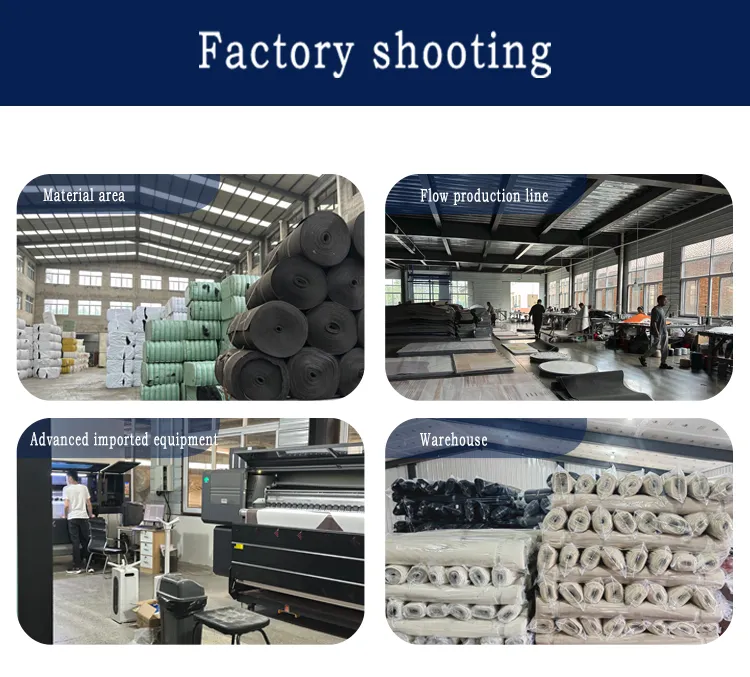
The primary material in ivory faux fur area rugs is typically polyester or acrylic fiber, although polypropylene is also used in some applications. Polyester, derived from polyethylene terephthalate (PET), offers good resilience, stain resistance, and colorfastness. Acrylic, a polyacrylonitrile-based fiber, provides a softer hand feel and greater resemblance to natural fur, but generally exhibits lower abrasion resistance. The manufacturing process begins with polymer synthesis, followed by fiber extrusion. Extrusion parameters – temperature, pressure, and die geometry – dictate fiber diameter, length, and cross-sectional shape, which directly impact the rug's texture and density. These fibers are then processed through tufting or weaving. Tufting involves inserting fibers into a primary backing material, typically polypropylene or jute, using needles. The tufts are then secured with a secondary backing, often a latex or polyurethane coating, to enhance dimensional stability and prevent fiber shedding. Weaving, on the other hand, interlocks the fibers to create a more durable, though often less plush, construction. Dyeing is typically performed at the fiber stage, employing disperse dyes for polyester and basic dyes for acrylic. Critical process control parameters include dye concentration, temperature, and time to ensure uniform color distribution and prevent dye migration. Finishing treatments, such as brushing or shearing, are applied to achieve the desired pile height and appearance. The backing material's strength and adhesion to the fiber are paramount for preventing delamination and extending the rug's lifespan. Fiber denier (fineness) is also a key parameter; lower denier fibers generally result in a softer feel but reduced durability.
Performance & Engineering
Performance of ivory faux fur area rugs is assessed based on several key engineering parameters. Pile density, measured in ounces per square yard (oz/yd²), directly correlates with the rug's comfort and thermal insulation properties. Higher pile density generally translates to a warmer, plusher feel but can also increase the risk of matting. Fiber crimp, the waviness of the fiber, contributes to the rug’s resilience and ability to recover from compression. Tensile strength, determined through ASTM D2256 testing, indicates the fiber’s resistance to breaking under tension. Abrasion resistance, assessed via the Wyzenbeek abrasion test (ASTM D4157), quantifies the rug’s ability to withstand wear and tear from foot traffic. Flammability is a critical safety concern, governed by standards like the Federal Flammability Standard DOC-FF 1-70. The rug’s resistance to fading from UV exposure is evaluated using accelerated weathering tests (ASTM G154). Static electricity buildup can be problematic, particularly in dry environments; anti-static treatments are often applied to mitigate this issue. Chemical resistance, particularly to common household cleaning agents, is another important performance characteristic. Force analysis during use involves consideration of compressive forces from foot traffic and furniture, and shear forces from sliding objects. These forces contribute to fiber deformation and ultimately, wear. Environmental resistance must also be considered. Moisture absorption can lead to mildew growth, while prolonged exposure to direct sunlight can cause fiber degradation.
Technical Specifications
| Parameter | Polyester Faux Fur | Acrylic Faux Fur | Polypropylene Faux Fur |
|---|---|---|---|
| Pile Height (mm) | 25-60 | 30-70 | 20-40 |
| Pile Density (oz/yd²) | 800-1200 | 600-1000 | 500-800 |
| Fiber Denier | 75-150 | 100-200 | 200-300 |
| Tensile Strength (MPa) | 60-80 | 40-60 | 50-70 |
| Abrasion Resistance (Cycles) | 10,000-20,000 | 5,000-10,000 | 8,000-15,000 |
| Water Absorption (%) | 0.5-1.0 | 1.0-1.5 | 0.2-0.5 |
Failure Mode & Maintenance
Ivory faux fur area rugs are susceptible to several failure modes. Fiber shedding is a common issue, particularly during the initial use period, due to loose fibers not fully secured during manufacturing. Matting occurs as fibers become compressed and lose their resilience, resulting in a flattened appearance. Delamination, the separation of the pile from the backing, is a critical failure mode often caused by weak adhesive bonds or mechanical stress. Oxidation, induced by UV exposure, can lead to color fading and fiber embrittlement, particularly in acrylic fibers. Abrasion from foot traffic and furniture causes fiber wear and tear, reducing pile height and overall rug thickness. Staining, especially from oil-based substances, can be difficult to remove and permanently alter the rug’s appearance. Biological degradation, such as mildew growth, can occur in humid environments if the rug is not adequately dried after cleaning. Maintenance strategies include regular vacuuming to remove loose debris and prevent matting. Spot cleaning with a mild detergent and water is recommended for spills. Professional cleaning, using appropriate extraction methods, is advisable for deep cleaning. Avoid prolonged exposure to direct sunlight. Rotation of the rug can help distribute wear evenly. Promptly address spills to prevent staining. Storage in a dry, well-ventilated area is essential to prevent mildew growth. Periodic brushing can help restore pile loft.
Industry FAQ
Q: What is the primary difference in durability between polyester and acrylic faux fur rugs?
A: Polyester generally exhibits superior abrasion resistance and tensile strength compared to acrylic. This means polyester rugs are more likely to withstand heavy foot traffic and resist tearing. Acrylic, while softer, is more prone to wear and fiber breakdown, especially in high-use areas.
Q: How does the backing material affect the overall lifespan of the rug?
A: The backing material is crucial. Polypropylene backings are generally more durable and moisture-resistant than jute. The adhesive used to bond the pile to the backing is equally important; a strong, flexible adhesive prevents delamination. Poor quality backing or adhesive is a common cause of premature rug failure.
Q: What testing standards are most relevant for assessing the flammability of these rugs?
A: The Federal Flammability Standard DOC-FF 1-70 is a key standard for evaluating flammability. Additional standards like ASTM E84 (Surface Burning Characteristics) can provide further information on flame spread and smoke development.
Q: How can I minimize the risk of matting in a high-traffic area?
A: Regular vacuuming is essential. Consider using a rug pad to provide cushioning and prevent fiber compression. Rotating the rug periodically can also help distribute wear more evenly. Choosing a rug with a higher pile density and a more resilient fiber (like polyester) can also minimize matting.
Q: What is the impact of UV exposure on faux fur rugs and how can it be mitigated?
A: UV exposure causes polymer degradation, leading to color fading and fiber embrittlement, particularly in acrylic fibers. Mitigation strategies include minimizing direct sunlight exposure, using UV-resistant dyes, and applying UV-protective coatings. Regular rotation of the rug can also help distribute UV exposure.
Conclusion
Ivory faux fur area rugs represent a complex interplay of material science, manufacturing processes, and performance considerations. Understanding the nuances of fiber composition – polyester, acrylic, and polypropylene – is critical for selecting a rug suited to a specific application and anticipated level of use. The manufacturing process, from polymer extrusion to tufting or weaving, significantly impacts the rug's durability, aesthetic appeal, and overall lifespan. Effective quality control measures throughout the production chain, focusing on fiber properties, backing adhesion, and dye fastness, are essential for ensuring consistent product quality and minimizing failure rates.
Looking ahead, innovation in faux fur rug technology will likely focus on enhancing sustainability through the use of recycled materials and bio-based polymers. Improved fiber treatments will aim to increase abrasion resistance, stain resistance, and UV stability. Advanced manufacturing techniques, such as 3D tufting, may enable the creation of more complex and customized designs. Continued adherence to industry standards and rigorous testing protocols will be crucial for maintaining consumer confidence and driving further advancements in this dynamic sector.