

large fake fur rug Performance Analysis
Introduction
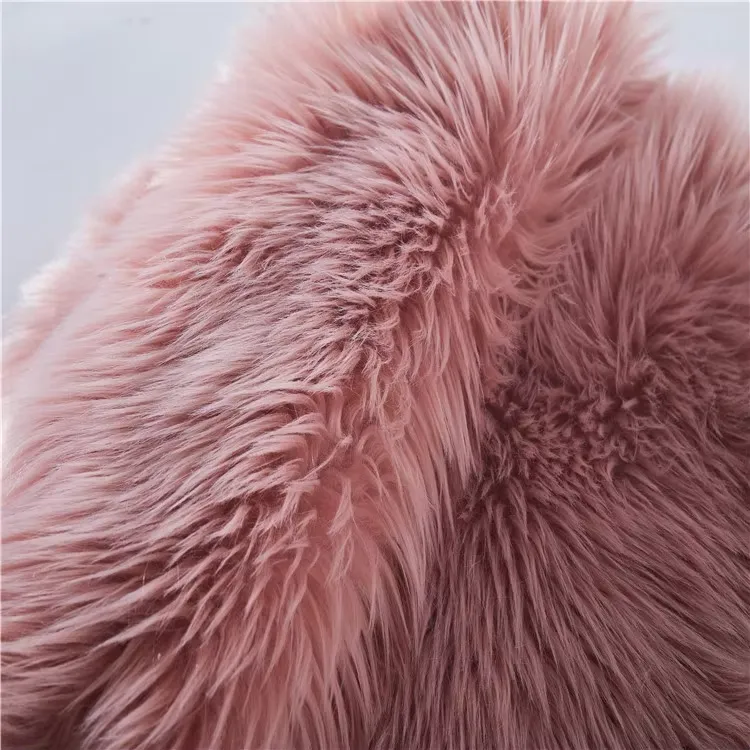
Large fake fur rugs represent a significant segment within the broader floor covering industry, offering an aesthetic alternative to natural animal hides. Technically, these rugs are engineered textile constructions primarily utilizing synthetic fibers adhered to a backing material. Their market position is driven by factors including cost-effectiveness, ethical considerations regarding animal welfare, and ease of maintenance compared to genuine fur. Core performance characteristics revolve around pile height, fiber density, durability against abrasion, colorfastness, and resistance to shedding. A key industry pain point centers around maintaining a consistent tactile experience that mimics natural fur, while simultaneously ensuring longevity and resistance to matting. Another challenge is the perception of lower quality associated with synthetic materials, necessitating advancements in fiber technology and manufacturing processes to elevate performance and aesthetics.
Material Science & Manufacturing
The primary raw material for large fake fur rugs is typically polypropylene (PP) or polyester (PET) fiber. Polypropylene offers advantages in terms of cost and inherent stain resistance, while polyester provides superior color retention and a softer hand feel. Acrylic fibers are also sometimes utilized, though less common due to lower durability. The backing material is often comprised of jute, polypropylene, or a combination thereof, selected for its dimensional stability and ability to withstand the stresses of manufacturing and use. The manufacturing process begins with the extrusion of the polymer into fine filaments. These filaments are then heat-set to create the desired crimp and texture. The fibers are subsequently tufted or woven into a base fabric. Tufting involves inserting the fibers through a primary backing, securing them with latex adhesive. Woven constructions involve interlacing warp and weft yarns. A secondary backing is then laminated to provide additional stability and prevent shedding. Critical parameters during manufacturing include fiber denier (fiber thickness, impacting softness), pile density (fibers per unit area, influencing durability and feel), and adhesive application rate (affecting fiber retention). Consistency in these parameters is crucial for maintaining uniform product quality. Fiber alignment during tufting or weaving also influences the directionality of the pile and the overall aesthetic.
Performance & Engineering
Performance assessment of large fake fur rugs hinges on several key engineering principles. Abrasion resistance is paramount, determined by the fiber's tensile strength and resistance to wear. This is typically measured using the Wyzenbeek abrasion test (ASTM D4157). Pile recovery – the rug’s ability to rebound after compression – is critical for maintaining a luxurious feel and preventing matting. This is related to the fiber’s crimp memory and the backing material’s resilience. Colorfastness to light and washing is assessed via standardized tests (AATCC 16 & 17). Environmental resistance includes resistance to mildew and UV degradation. Polypropylene generally exhibits better UV resistance than polyester. Fire safety is a significant concern, and rugs are typically treated with flame retardants to meet flammability standards. Force analysis during use considers compressive loads from foot traffic and furniture, as well as shear stresses from movement across the rug surface. Compliance requirements vary by region, including regulations regarding VOC emissions (volatile organic compounds) from adhesives and flame retardant treatments. Durability is directly linked to the quality of the fiber, the security of the tufting or weaving, and the integrity of the backing materials. Understanding these forces and resistances is essential for optimizing rug design and material selection.
Technical Specifications
| Parameter | Polypropylene (PP) | Polyester (PET) | Acrylic | Units |
|---|---|---|---|---|
| Fiber Denier | 200-600 | 300-800 | 150-400 | dtex |
| Pile Height | 25-60 | 20-50 | 20-40 | mm |
| Pile Density | 800-1500 | 900-1800 | 700-1200 | fibers/100cm² |
| Tensile Strength | 40-60 | 60-80 | 30-50 | cN/tex |
| Colorfastness to Light (Rating 1-5, 5 is best) | 4-5 | 4-5 | 3-4 | - |
| Water Absorption | 0.1-0.5 | 0.4-1.0 | 1.0-2.0 | % |
Failure Mode & Maintenance
Large fake fur rugs are susceptible to several failure modes. Fiber shedding is a common issue, particularly in lower-quality rugs, resulting from inadequate fiber anchoring during manufacturing. Matting and crushing occur due to prolonged compression, reducing pile height and aesthetic appeal. This is exacerbated by low pile density and inadequate fiber crimp. Color fading is a risk, especially with prolonged exposure to sunlight, impacting polyester fibers more significantly than polypropylene. Delamination of the backing layers can occur due to moisture ingress or adhesive failure. Oxidation of the polymer fibers can lead to brittleness and discoloration over time, particularly in acrylic fibers. Maintenance involves regular vacuuming to remove debris and prevent matting. Spot cleaning with a mild detergent and water is recommended for spills. Avoid harsh chemicals or abrasive cleaners. Professional cleaning is advisable for deep cleaning and stain removal. To mitigate failure, proper underlayment use can distribute weight and reduce compression. Rotating the rug periodically helps to distribute wear. Preventative treatment with UV protectants can minimize fading. Regular inspection of the backing for signs of delamination allows for timely intervention.
Industry FAQ
Q: What is the primary difference between polypropylene and polyester fake fur rugs regarding durability?
A: Polyester generally exhibits higher tensile strength and abrasion resistance than polypropylene, leading to better long-term durability, particularly in high-traffic areas. However, polypropylene offers superior stain resistance and is less prone to crushing, making it a suitable choice for lower-traffic areas or situations where spills are a frequent concern.
Q: How does pile height affect the comfort and performance of a fake fur rug?
A: Higher pile heights generally provide a more luxurious and comfortable feel underfoot, mimicking the sensation of genuine fur. However, higher piles are also more susceptible to matting and require more frequent maintenance. Lower pile heights offer improved durability and ease of cleaning but may lack the same level of plushness.
Q: Are there any flammability standards that these rugs need to meet?
A: Yes, most jurisdictions require floor coverings, including fake fur rugs, to meet specific flammability standards, such as the DOC-FF1-70 (US) or EN 13501-1 (Europe). These standards assess the rug’s resistance to ignition and the rate at which flames spread. Flame retardant treatments are often applied to meet these regulations.
Q: What is the impact of the backing material on the overall performance of the rug?
A: The backing material provides structural support and prevents shedding. Jute is a natural fiber offering good stability but is susceptible to moisture damage. Polypropylene backing is more durable and moisture-resistant. The quality of the adhesive used to secure the fibers to the backing is also crucial for long-term performance.
Q: How do I prevent excessive shedding in a new fake fur rug?
A: Some initial shedding is normal in new fake fur rugs. Regular vacuuming (without a beater bar) for the first few weeks helps to remove loose fibers. Using a rug pad provides additional support and reduces stress on the fibers, minimizing shedding over time. Avoid aggressive cleaning methods that can dislodge fibers.
Conclusion
Large fake fur rugs represent a sophisticated textile product where material science and manufacturing precision are critical for achieving desired aesthetic and performance characteristics. The selection of appropriate fibers (polypropylene, polyester, or acrylic) and backing materials, coupled with stringent control over production parameters like pile density and adhesive application, directly impacts durability, comfort, and longevity. Addressing industry pain points related to tactile realism, shedding, and matting requires continuous innovation in fiber technology and rug construction.
Future development will likely focus on bio-based polymers for increased sustainability, enhanced fiber crimp technologies for improved pile recovery, and advanced adhesive systems for superior fiber retention. Further research into flame retardant treatments that minimize environmental impact while maintaining safety standards is also crucial. Ultimately, a thorough understanding of the engineering principles governing rug performance is essential for manufacturers and consumers alike to select and maintain products that deliver long-lasting value and aesthetic appeal.