

large faux fur sheepskin rug Performance Analysis

Introduction
Large faux fur sheepskin rugs represent a significant segment within the broader decorative textile market, offering a cost-effective and animal-friendly alternative to genuine sheepskin. These rugs are typically used in residential and commercial settings to provide warmth, comfort, and aesthetic appeal. The product's position in the value chain extends from raw material (primarily synthetic polymers) sourcing, through extrusion and fiber creation, to weaving/knitting, dyeing/finishing, and finally, rug construction and retail. Core performance characteristics center around pile height, density, softness, durability, and aesthetic fidelity to natural sheepskin. A key pain point within the industry revolves around balancing realistic appearance and tactile feel with longevity and cost-effectiveness, alongside growing consumer demand for sustainable and non-allergenic materials. The rise in e-commerce necessitates stringent quality control to minimize returns due to misrepresented product characteristics. Furthermore, flammability and chemical emissions are critical considerations driving regulatory compliance and material innovation.
Material Science & Manufacturing
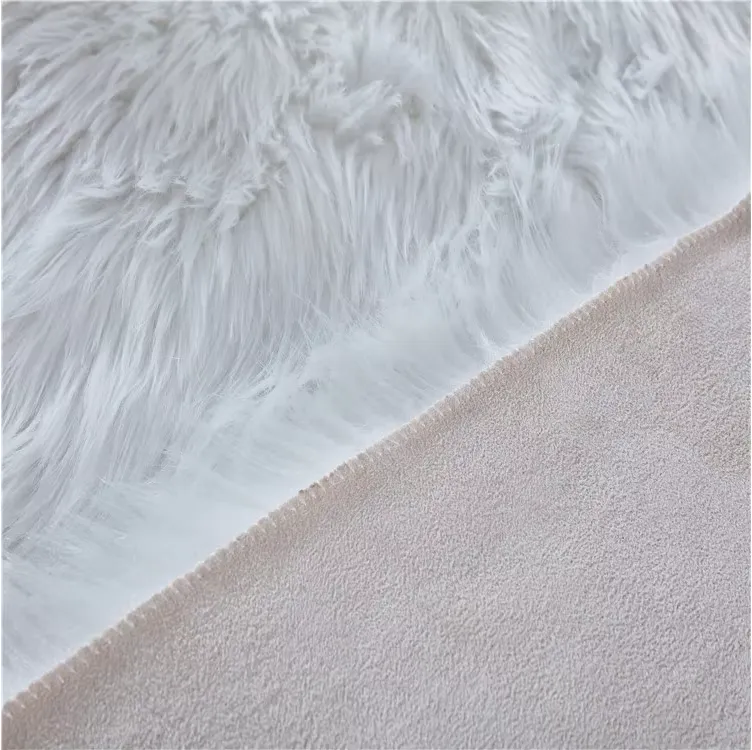
The foundational material for large faux fur sheepskin rugs is typically a synthetic polymer, most commonly polypropylene (PP) or polyester (PET). Polypropylene offers superior stain resistance and a lower cost, while polyester generally exhibits better texture retention and dyeability. Raw material selection heavily influences the final product's properties. Polypropylene, a thermoplastic polymer produced through the polymerization of propylene, has a density of around 0.91 g/cm³ and a melting point between 130-171°C. Polyester, formed from ethylene glycol and terephthalic acid, has a density of approximately 1.38 g/cm³ and a melting point of 260°C. Manufacturing begins with the extrusion of these polymers into fibers. This is followed by texturing – often using air-jet or crimping techniques – to create the desired curl and bulk characteristic of sheepskin. The textured fibers are then woven or knitted into a backing material, usually a jute or polypropylene mesh, providing structural integrity. Pile construction methods include cut pile (creating a plush, velvety surface) and loop pile (offering enhanced durability). Dyeing is typically conducted using solution dyeing or piece dyeing. Solution dyeing involves adding pigment during the polymer extrusion process, resulting in superior colorfastness. Piece dyeing involves dyeing the finished fabric. Key parameter control points include fiber denier (influencing softness), pile height (dictating thickness), and yarn twist (affecting durability). Quality control throughout the process involves monitoring fiber uniformity, dye penetration, and backing strength.
Performance & Engineering
The performance of large faux fur sheepskin rugs is dictated by several engineering considerations. Load-bearing capacity and compression set are crucial for maintaining the rug's shape and resilience under foot traffic. A force analysis reveals that the pile fibers undergo significant bending stress during compression, and the backing material experiences tensile stress. The resilience is directly correlated with fiber denier, pile height, and the backing material’s tensile strength. Environmental resistance is another critical factor. Prolonged exposure to UV radiation can cause polymer degradation, leading to discoloration and loss of fiber strength. Moisture absorption impacts the rug’s weight and susceptibility to mildew growth (though synthetic fibers are generally less prone to this than natural fibers). Flammability is a major concern, and manufacturers often treat the rugs with flame retardants to meet relevant safety standards. Compliance requirements vary by region but generally include standards for VOC emissions (volatile organic compounds) and heavy metal content. The structural integrity of the rug is also dependent on the bonding between the pile and the backing; delamination is a common failure mode. Functional implementation considers factors like anti-slip backing for safety and ease of cleaning. The coefficient of friction between the faux fur and various flooring surfaces is also an important performance metric.
Technical Specifications
| Parameter | Polypropylene (PP) Rug | Polyester (PET) Rug | Units |
|---|---|---|---|
| Pile Height | 25-60 | 25-60 | mm |
| Pile Density | 800-1500 | 900-1800 | grams/m² |
| Fiber Denier | 200-800 | 200-800 | dtex |
| Backing Material | Jute/PP | Jute/PP | - |
| Tensile Strength (Backing) | >200 | >250 | N/5cm |
| Colorfastness to Light | Grade 4-5 | Grade 5-6 | - |
| Flammability (ASTM D2859) | Class 1 | Class 1 | - |
Failure Mode & Maintenance
Large faux fur sheepskin rugs are susceptible to several failure modes. Fiber Fatigue: Repeated compression and bending can cause fiber breakage, leading to a reduction in pile density and a flattened appearance. Delamination: Weak bonding between the pile fibers and the backing can result in separation, particularly under stress. Matting: Prolonged foot traffic can cause the fibers to tangle and flatten, creating a matted appearance. Color Fading: Exposure to UV radiation can cause the dyes to degrade, resulting in discoloration. Pile Shedding: Initial shedding of loose fibers is common, but excessive shedding may indicate poor fiber quality or manufacturing defects. Oxidation: While less prevalent than with natural fibers, prolonged exposure to oxygen and certain environmental contaminants can cause polymer degradation. Maintenance strategies include regular vacuuming (using a brush attachment to avoid damaging the fibers), spot cleaning with a mild detergent and water, and avoiding direct sunlight exposure. For significant spills, professional cleaning is recommended. To mitigate delamination, avoid aggressive scrubbing and use a rug pad to provide additional support. Periodically rotating the rug can help distribute wear and tear more evenly. Promptly addressing spills minimizes staining and fiber damage.
Industry FAQ
Q: What is the primary difference between polypropylene and polyester faux fur in terms of durability?
A: Polyester generally exhibits superior durability and resilience compared to polypropylene. While polypropylene is more cost-effective and stain-resistant, polyester fibers tend to maintain their shape and texture for a longer period under consistent pressure and foot traffic. Polyester's higher tensile strength contributes to its better resistance to wear and tear.
Q: How does the backing material affect the overall lifespan of the rug?
A: The backing material is critical. A high-quality, tightly woven backing (such as a durable polypropylene mesh) provides essential structural support and prevents delamination. Jute backings are more environmentally friendly but less durable and can be susceptible to moisture damage. The backing’s tensile strength directly impacts its ability to withstand stress and maintain the pile’s integrity.
Q: What flammability standards are typically applied to these rugs, and what treatments are used?
A: Rugs are commonly tested to standards like ASTM D2859, which classifies flammability. Most faux fur sheepskin rugs are required to meet Class 1 (most flame-resistant) or Class 2 standards. Flame retardant treatments, often based on phosphate or halogenated compounds, are applied to reduce the rug’s ignition propensity and slow flame spread. However, there's a growing trend toward halogen-free alternatives due to environmental concerns.
Q: How important is pile density in determining the rug’s perceived quality and comfort?
A: Pile density (measured in grams per square meter) is a crucial indicator of quality and comfort. Higher pile density equates to a thicker, plusher feel and better overall performance. A denser pile provides greater cushioning and is less prone to matting. Lower density rugs typically feel thinner and wear out more quickly.
Q: What VOC emission standards are relevant for these products, and how are they tested?
A: Relevant VOC emission standards include California Section 01350 and European standards like OEKO-TEX Standard 100. These standards regulate the permissible levels of volatile organic compounds emitted by the rug. Testing involves placing the rug in a sealed chamber and measuring the concentration of VOCs over a specific period using gas chromatography-mass spectrometry (GC-MS).
Conclusion
Large faux fur sheepskin rugs offer a viable and increasingly sophisticated alternative to natural sheepskin, driven by cost, ethical, and sustainability considerations. The material science underpinning their construction—primarily polypropylene and polyester—directly dictates performance characteristics such as durability, stain resistance, and aesthetic appeal. Precise control over manufacturing parameters, including fiber denier, pile height, and backing material selection, is essential for optimizing product quality and longevity. Addressing potential failure modes, such as fiber fatigue and delamination, through proper maintenance and quality control is crucial for ensuring customer satisfaction.
Looking forward, advancements in polymer technology and dyeing techniques promise to further enhance the realism and performance of faux fur rugs. The integration of sustainable materials, such as recycled PET, and the development of bio-based polymers are key areas of innovation. Addressing consumer demand for hypoallergenic and low-VOC products will also drive ongoing research and development within the industry. Ultimately, the long-term success of this product category will depend on a continued commitment to quality, sustainability, and responsiveness to evolving market trends.