


large rabbit fur rug Performance Analysis
Introduction
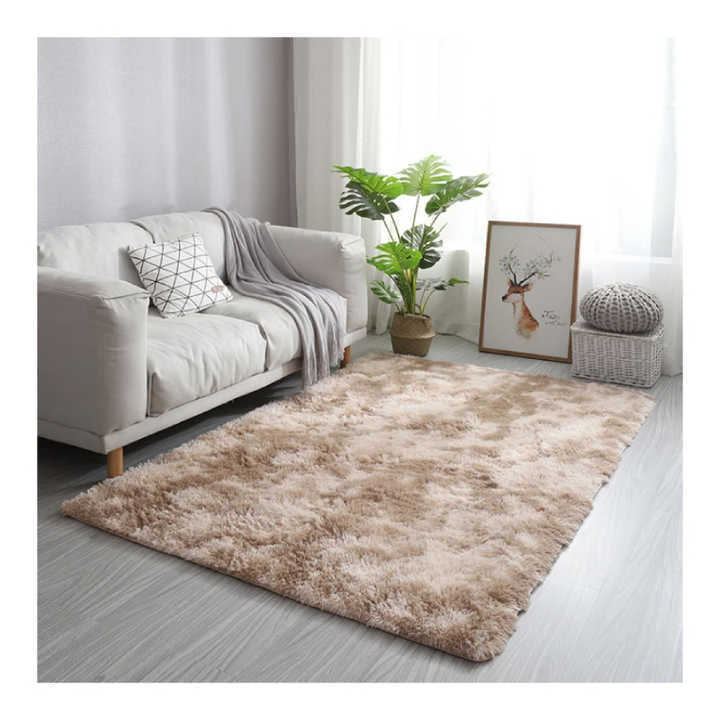
Large rabbit fur rugs represent a significant segment within the luxury textile market, positioned between synthetic pile rugs and higher-value options such as sheepskin or mink. These rugs are predominantly utilized for their aesthetic appeal, providing a tactile and visually rich element to interior design. Technically, a large rabbit fur rug is constructed from the pelts of European or Chinese rabbits, typically Angora, Rex, or Chinchilla breeds, processed and assembled into a larger surface area. Core performance characteristics revolve around warmth, softness, and durability – all critically dependent on the quality of the raw pelt, tanning processes, and underlying backing materials. The industry faces challenges in sustainable sourcing, consistent fur quality, and maintaining long-term structural integrity against abrasion and environmental factors. Understanding these parameters is crucial for procurement managers and designers aiming for high-quality, lasting products.
Material Science & Manufacturing
The foundational material is rabbit pelt, consisting primarily of collagen proteins, keratin, and natural fats. Angora rabbit fur possesses long, soft fibers, offering superior texture. Rex rabbit fur, with its dense, velvety pile, provides a different aesthetic and higher durability. Chinchilla rabbit fur, while less common in large rugs due to cost, offers exceptionally fine fibers and a luxurious feel. Raw pelts undergo several processing stages: skinning, fleshing (removing subcutaneous tissue), salting or drying for preservation, and tanning. Tanning methods include chrome tanning (common for speed and cost) and vegetable tanning (more environmentally friendly but slower and potentially less flexible). Post-tanning, the pelts are sheared to a consistent pile height, dyed using specialized textile dyes (aniline or reactive dyes), and graded based on fiber length, density, and color uniformity. Manufacturing typically involves piecing together multiple pelts, either by sewing them together directly or adhering them to a backing material – often jute, canvas, or a synthetic non-woven fabric. Key parameters during manufacturing include stitch density, adhesive strength, and the quality of the backing material. Consistent pelt stretching during the tanning and assembling stages is critical to prevent warping and maintain dimensional stability. Moisture content throughout the process is paramount; excessive moisture can promote bacterial growth and damage the fur, while insufficient moisture can lead to brittleness.
Performance & Engineering
Performance evaluation of large rabbit fur rugs centers on several key areas. Abrasion resistance is a significant factor; the Mohs hardness scale and Martindale abrasion tests determine the fur’s resilience to wear. Pile crush resistance, measured by applying a standardized weight and observing recovery time, indicates the rug's ability to retain its loft. Thermal performance is dictated by the fur's fiber density and air entrapment capability, typically quantified by thermal resistance (R-value). Dimensional stability, evaluated through repeated wetting and drying cycles, assesses the rug's resistance to shrinkage or stretching. Chemical resistance is also vital; exposure to common household cleaners or spills must not cause discoloration or fiber degradation. The backing material plays a crucial engineering role, providing structural support and preventing delamination. The tensile strength of the backing and the bond strength between the fur and backing are critical for long-term durability. Furthermore, flammability is a significant compliance concern, requiring adherence to fire safety standards (see Standards & Regulations). Force analysis during foot traffic simulates real-world stress, informing design choices related to pelt arrangement and backing strength. Environmental resistance encompasses assessing the rug's behavior under varying humidity and temperature conditions, as well as its susceptibility to moth or pest damage.
Technical Specifications
| Parameter | Unit | Angora Rabbit Fur Rug | Rex Rabbit Fur Rug |
|---|---|---|---|
| Pile Height | mm | 35-50 | 20-30 |
| Fiber Density | fibers/cm² | 8000-12000 | 10000-15000 |
| Tensile Strength (Pelt) | N/mm² | 20-30 | 30-45 |
| Abrasion Resistance (Martindale) | Cycles | 15000-25000 | 25000-40000 |
| Thermal Resistance (R-value) | m²⋅K/W | 0.8-1.2 | 0.6-0.9 |
| Moisture Content (Equilibrium) | % | 8-12 | 6-10 |
Failure Mode & Maintenance
Common failure modes in large rabbit fur rugs include fiber shedding, pile crush, delamination, discoloration, and pest damage. Fiber shedding is often due to lower-quality pelts or aggressive cleaning. Pile crush occurs from prolonged pressure, reducing the rug’s loft and aesthetic appeal. Delamination results from weak bonding between the fur and backing, exacerbated by humidity or physical stress. Discoloration can stem from UV exposure, improper dyeing processes, or exposure to harsh chemicals. Moth or carpet beetle infestations are a serious threat, especially in untreated fur. Maintenance protocols are critical for extending rug lifespan. Regular vacuuming (using a brush attachment) removes dust and debris. Professional cleaning (dry cleaning is generally preferred) should be conducted every 1-2 years. Avoid excessive moisture; spills should be blotted immediately. Rotating the rug periodically distributes wear evenly. Preventative treatments with mothproofing agents are recommended, particularly for rugs stored for extended periods. In cases of delamination, specialized adhesives can be used for repair, but the structural integrity may be compromised. For significant damage, professional restoration is advised.
Industry FAQ
Q: What differentiates ethically sourced rabbit fur from conventionally sourced fur, and how can a buyer verify claims of ethical sourcing?
A: Ethically sourced rabbit fur typically comes from farms adhering to stringent animal welfare standards, ensuring humane living conditions and slaughter practices. Verification involves seeking certifications like those from the Responsible Wool Standard (RWS) – although primarily for sheep, it’s a good benchmark – or direct audits of the fur farms. Traceability throughout the supply chain is paramount, and reputable suppliers should be able to provide documentation detailing the origin of the pelts. The absence of clear documentation should raise concerns.
Q: How does the tanning process impact the long-term durability and colorfastness of the rabbit fur rug?
A: The tanning process significantly impacts durability and colorfastness. Chrome tanning is faster and cheaper, but can lead to potential color fading over time and, if not properly controlled, can weaken the pelt fibers. Vegetable tanning is slower and more expensive, but results in a more stable, durable, and naturally colorfast product. The quality of the dyes used in conjunction with the tanning process is also crucial; reactive dyes generally offer superior colorfastness compared to aniline dyes.
Q: What are the primary considerations when selecting a backing material for a large rabbit fur rug, and how does it affect performance?
A: Backing material selection is critical. Jute is affordable and provides adequate support, but is susceptible to moisture damage and can promote mildew growth. Canvas offers better durability and stability. Synthetic non-woven fabrics (polypropylene or polyester) provide excellent resistance to moisture, pests, and abrasion, but may be less breathable. The backing’s tensile strength and its adhesive bond to the fur are paramount to prevent delamination. A higher-quality backing will significantly extend the rug’s lifespan.
Q: What level of humidity can a rabbit fur rug tolerate before experiencing significant structural changes or mold growth?
A: Rabbit fur is sensitive to high humidity. Prolonged exposure to humidity levels above 70% can lead to moisture absorption, which weakens the pelt fibers, promotes bacterial growth, and potentially causes mold or mildew. Adequate ventilation and humidity control are crucial. If a rug becomes damp, it should be thoroughly dried in a well-ventilated area, avoiding direct heat.
Q: How does the type of rabbit (Angora vs. Rex vs. Chinchilla) influence the rug's cleaning requirements and susceptibility to damage?
A: Angora rabbit fur, due to its longer, finer fibers, is more delicate and requires gentler cleaning methods (professional dry cleaning is highly recommended). Rex rabbit fur, with its denser, shorter pile, is more resilient and can tolerate more careful vacuuming and spot cleaning. Chinchilla rabbit fur is the most delicate and expensive, demanding specialized cleaning and handling to prevent damage. The different fiber structures affect susceptibility to matting, shedding, and abrasion.
Conclusion
Large rabbit fur rugs offer a luxurious aesthetic, but require careful consideration of material science, manufacturing processes, and performance characteristics. The long-term viability of these rugs is inextricably linked to the quality of raw materials – specifically the rabbit pelt – and the precision of tanning and assembly techniques. Understanding the nuances of abrasion resistance, dimensional stability, and susceptibility to environmental factors is essential for informed procurement and diligent maintenance.
Investing in ethically sourced, expertly crafted rabbit fur rugs, coupled with a commitment to proper care, ensures a durable and aesthetically pleasing product. Future developments may focus on innovative tanning processes that minimize environmental impact and enhance fiber strength, as well as the incorporation of sustainable backing materials. Continued research into preventative pest control solutions and enhanced cleaning techniques will further extend the lifespan of these luxury textiles.