


large round faux fur rug Performance Analysis
Introduction
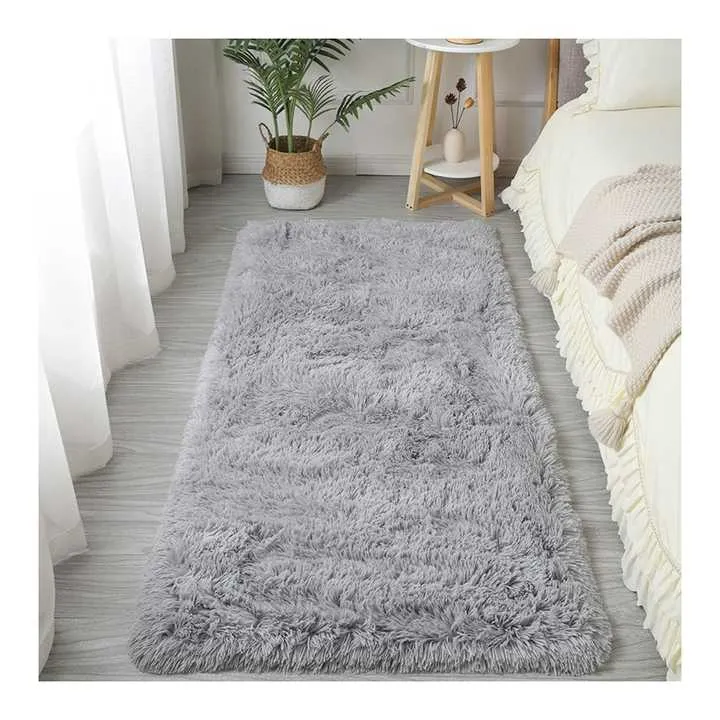
Large round faux fur rugs represent a significant segment within the broader decorative textiles industry, bridging the aesthetic appeal of genuine fur with the ethical and economic advantages of synthetic materials. Their technical position lies in providing a soft, luxurious floor covering without the animal welfare concerns and high cost associated with real fur. The product serves primarily as an interior design element, utilized in residential and commercial spaces to enhance comfort and visual warmth. Core performance characteristics revolve around simulated tactile qualities, durability against moderate foot traffic, colorfastness, and resistance to shedding. The manufacturing process, while appearing simple, involves intricate fiber manipulation and backing material bonding requiring specific quality control parameters to achieve desired performance. This guide will delve into the material science, manufacturing processes, performance metrics, potential failure modes, and maintenance protocols associated with large round faux fur rugs.
Material Science & Manufacturing
The primary raw material in large round faux fur rugs is synthetic fiber, predominantly polyester, acrylic, or polypropylene. Polyester offers a balance of cost-effectiveness, durability, and dyeability, making it a frequently chosen base. Acrylic provides a softer, more ‘fur-like’ texture, but is generally less resilient. Polypropylene exhibits excellent stain resistance but can be more challenging to dye consistently. The fibers themselves are produced through melt spinning, where polymer pellets are heated and extruded through spinnerets, creating continuous filaments. These filaments are then crimped to create bulk and a more natural appearance. The ‘pile’ of the rug – the surface resembling fur – is constructed by attaching these crimped fibers to a backing material. Common backing materials include jute, polypropylene, or latex. The attachment method varies; tufting is prevalent, where fibers are inserted through the backing and secured with adhesive, followed by a secondary backing for added stability. Another method is weaving, which involves interlacing the fibers with backing yarns. Critical manufacturing parameters include fiber denier (fiber thickness), pile height, pile density, and the adhesive or yarn tension used for securing the fibers. Consistent control of these parameters is essential to ensure uniform texture, prevent excessive shedding, and maintain structural integrity. Dyeing processes utilize various techniques including solution dyeing (adding color to the polymer melt before fiber formation) and piece dyeing (dyeing the finished rug), influencing colorfastness and washability.
Performance & Engineering
The performance of a large round faux fur rug is evaluated based on several engineering principles. Pile compression resistance, crucial for maintaining a plush feel and preventing matting, is dictated by fiber denier and pile density. Force analysis reveals that the rug experiences both static and dynamic loads. Static loads originate from furniture placement, while dynamic loads result from foot traffic. The backing material plays a critical role in distributing these loads and preventing tearing. Environmental resistance is paramount; the rug must withstand variations in temperature and humidity without significant degradation. Polyester demonstrates relatively good UV resistance, minimizing fading. However, acrylic is more susceptible to UV damage and may require UV stabilizers. Flammability is a critical safety concern addressed by applying flame retardant treatments to the fibers and backing. Compliance requirements are dictated by regulations such as the Federal Flammability Standard DOC FF 1-70, concerning surface flammability, and standards related to VOC emissions (Volatile Organic Compounds) from adhesives and treatments. Furthermore, the rug's dimensional stability—its ability to maintain its shape—is assessed through shrinkage tests after washing or exposure to humidity. The rug's performance is inherently linked to the quality of the bonding agent between the pile and the backing, impacting shedding rates and overall durability.
Technical Specifications
| Parameter | Polyester | Acrylic | Polypropylene | Jute Backing |
|---|---|---|---|---|
| Fiber Denier (dtex) | 2.0 – 4.0 | 1.5 – 3.0 | 1.0 – 2.5 | N/A (Backing Material) |
| Pile Height (mm) | 25 – 60 | 30 – 70 | 20 – 50 | N/A |
| Pile Density (g/m²) | 800 – 1500 | 600 – 1200 | 500 – 1000 | N/A |
| Tensile Strength (N/5cm) | 150 – 250 | 80 – 150 | 100 – 200 | 50 – 100 (Warp/Weft) |
| Colorfastness to Light (Grade 1-5) | 4-5 | 3-4 | 3-4 | N/A |
| Water Absorption (%) | 0.5 – 1.0 | 1.0 – 2.0 | 0.1 – 0.5 | 15-20 |
Failure Mode & Maintenance
Large round faux fur rugs are susceptible to several failure modes. Shedding is common, particularly initially, resulting from loosely attached fibers. This can be minimized through proper manufacturing quality control and initial vacuuming. Fatigue cracking in the backing material can occur under sustained stress from furniture or heavy foot traffic, leading to delamination (separation of the pile from the backing). Compression set – permanent deformation of the pile fibers – results in a flattened appearance and loss of plushness. Oxidation of the fibers, particularly acrylic, due to prolonged UV exposure, causes discoloration and brittleness. Stain penetration, especially with oily or pigmented substances, is a concern, varying with fiber type (polypropylene offers the highest resistance). Maintenance protocols include regular vacuuming (using a suction-only nozzle to avoid snagging), spot cleaning with mild detergents, and professional cleaning for deep-seated dirt. Avoid harsh chemicals and excessive water, as these can damage the fibers and backing. Periodic rotation of the rug can distribute wear and prevent localized compression. Addressing spills immediately is crucial to minimize staining. For delamination, re-adhering the pile to the backing with appropriate adhesive can provide a temporary solution, but complete replacement may be necessary for severe cases.
Industry FAQ
Q: What is the primary difference between polyester and acrylic faux fur in terms of long-term durability?
A: Polyester generally exhibits superior abrasion resistance and resilience compared to acrylic. While acrylic provides a softer initial feel, polyester fibers retain their shape and plushness for a longer duration under moderate foot traffic. Acrylic fibers are more prone to matting and compression set, leading to a flattened appearance over time.
Q: How does the backing material influence the overall lifespan of the rug?
A: The backing material significantly impacts the rug's structural integrity. Jute, while environmentally friendly, is susceptible to moisture damage and rot, shortening the lifespan. Polypropylene backings offer better water resistance and durability, but may not provide the same level of dimensional stability as more robust options. A well-bonded backing is crucial for preventing delamination and maintaining the rug’s shape.
Q: What level of stain resistance can I expect from different fiber types?
A: Polypropylene offers the highest inherent stain resistance, particularly to oil-based stains, due to its hydrophobic nature. Polyester provides good stain resistance to many common household spills. Acrylic is the most susceptible to staining and requires more diligent cleaning and preventative treatments.
Q: Are there any specific flammability standards that apply to faux fur rugs?
A: Yes, in the United States, the Federal Flammability Standard DOC FF 1-70 is a key requirement. Compliance involves treating the fibers and backing with flame retardants. Other regions have their own comparable standards, which manufacturers must adhere to for product certification and market access.
Q: What is the recommended cleaning frequency and method to maximize the rug’s lifespan?
A: Regular vacuuming (2-3 times per week) with a suction-only nozzle is crucial. Spot clean spills immediately with a mild detergent and water solution. Professional deep cleaning is recommended every 12-18 months, depending on traffic levels. Avoid harsh chemicals, excessive water, and direct sunlight during cleaning and drying.
Conclusion
Large round faux fur rugs represent a sophisticated balance between aesthetic appeal and functional performance, leveraging advancements in synthetic fiber technology. The selection of appropriate materials – polyester, acrylic, or polypropylene – and a robust backing system are pivotal in determining the rug's durability, stain resistance, and overall longevity. Understanding the potential failure modes, such as shedding, delamination, and fiber oxidation, allows for proactive maintenance strategies to maximize the product's lifespan.
Future developments in this sector are likely to focus on sustainable materials, utilizing recycled polymers and bio-based fibers to reduce environmental impact. Furthermore, advancements in fiber technology will continue to refine the tactile qualities of faux fur, making it increasingly indistinguishable from genuine fur, while upholding ethical considerations. The optimization of bonding techniques between the pile and backing will also be a key area of innovation, improving resistance to delamination and enhancing the overall structural integrity of these decorative textiles.