


lavender fur rug Performance Engineering
Introduction
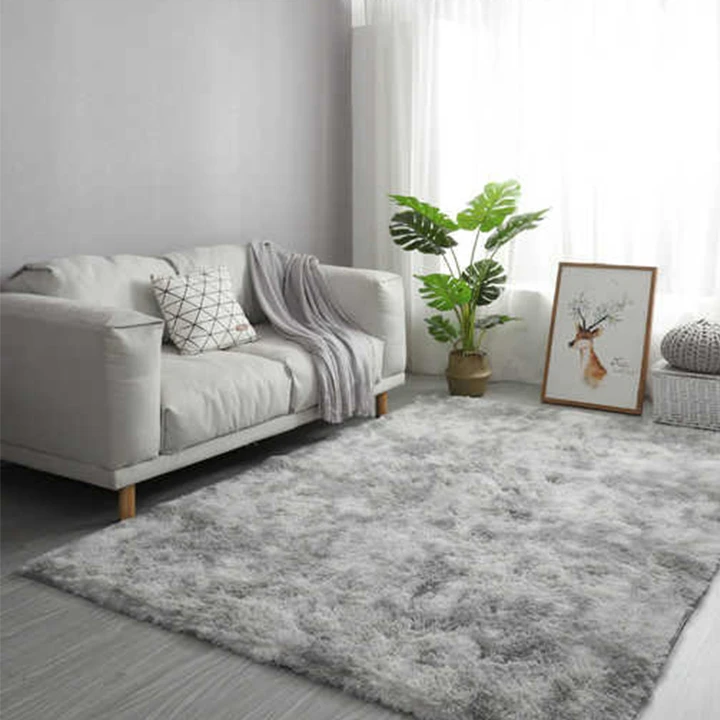
Lavender fur rugs represent a segment within the broader decorative textile market, specifically falling under the category of synthetic pile rugs. Their technical position lies in providing a soft, visually appealing floor covering, often utilized for aesthetic and tactile comfort. Unlike traditional wool or natural fiber rugs, lavender fur rugs predominantly utilize acrylic, polyester, or polypropylene fibers designed to mimic the appearance and feel of animal fur. Core performance characteristics center around pile density, fiber durability, colorfastness, and resistance to shedding. This guide details the material science, manufacturing processes, performance engineering, failure modes, and maintenance procedures associated with lavender fur rugs, providing a comprehensive technical overview for procurement and quality control professionals.
Material Science & Manufacturing
The primary raw materials for lavender fur rugs are synthetic polymers – predominantly acrylic, polyester, and polypropylene. Acrylic fibers offer a soft hand feel and good bulk, resulting in a luxurious texture, however, they are prone to pilling and lower abrasion resistance. Polyester provides superior durability and stain resistance but can feel less soft than acrylic. Polypropylene is the most cost-effective option, known for its inherent moisture resistance and colorfastness, but it possesses the lowest resilience and is susceptible to deformation under heavy load. The ‘fur’ effect is achieved through specialized fiber extrusion techniques creating multi-filament fibers with varying crimp and luster. Manufacturing begins with polymer pellet melting and extrusion through spinnerets to form continuous filaments. These filaments are then drawn, textured (crimped to increase bulk), and cut to a specific pile height. The pile fibers are subsequently tufted or woven into a backing material, typically composed of polypropylene or jute. Tufting involves inserting fibers through the backing, securing them with a latex adhesive, while weaving interlaces the fibers with warp and weft yarns. A final finishing process includes shearing to achieve a uniform pile height, dyeing to achieve the lavender hue (often utilizing reactive dyes for polyester or acid dyes for acrylic), and application of a protective coating to enhance stain resistance. Key parameter control during manufacturing includes maintaining consistent fiber denier, accurate pile density, uniform dye penetration, and proper adhesive curing to ensure structural integrity and aesthetic quality.

Performance & Engineering
Performance evaluation of lavender fur rugs hinges on several key engineering properties. Pile compression resistance is crucial, indicating the rug’s ability to recover from foot traffic and maintain its aesthetic appearance. This is directly linked to fiber resilience and backing stiffness. Force analysis under static and dynamic loads demonstrates the distribution of stress across the rug’s structure. Environmental resistance is assessed through tests for lightfastness (resistance to fading under UV exposure), wash fastness (color retention after cleaning), and abrasion resistance (resistance to wear and tear). Compliance requirements vary based on intended use and geographical market. For instance, rugs intended for children’s rooms must meet flammability standards such as California Proposition 65 regarding lead content and phthalates. The Coefficient of Friction (COF) is a critical parameter for safety, ensuring a stable surface to prevent slips and falls; typically a COF of 0.6 or higher is desirable. The overall structural integrity relies on the bond strength between the pile fibers and the backing, which is assessed via peel tests. Furthermore, the dimensional stability of the rug (resistance to shrinkage or stretching) is important, particularly in humid environments. The chemical resistance of the fibers must also be considered, particularly against common household cleaning agents and potential spills. A robust design ensures prolonged performance and minimizes premature degradation.
Technical Specifications
| Parameter | Unit | Acrylic Fiber Rug | Polyester Fiber Rug |
|---|---|---|---|
| Pile Height | mm | 30-40 | 25-35 |
| Pile Density | g/m² | 800-1200 | 1000-1500 |
| Fiber Denier | dtex | 75-150 | 100-200 |
| Backing Material | - | Polypropylene/Jute | Polypropylene |
| Abrasion Resistance (Taber Abrasion) | Cycles to Wear | 500-800 | 1000-1500 |
| Lightfastness (Grey Scale Rating) | - | 4-5 | 5-6 |
Failure Mode & Maintenance
Lavender fur rugs are susceptible to several failure modes. Pilling is a common occurrence, particularly with acrylic fibers, resulting from fiber breakage and entanglement on the surface. This can be mitigated with regular vacuuming using a brush attachment. Shedding, particularly during the initial use, is due to loose fibers dislodging from the pile. Fatigue cracking in the backing material can occur under sustained pressure, leading to delamination of the pile. This is exacerbated by low-quality adhesives. Color fading is a concern, particularly with exposure to direct sunlight or harsh cleaning agents. Degradation of the fibers can occur due to hydrolysis (breakdown by water) or oxidation (exposure to air). Stain penetration is a frequent issue, particularly with oil-based substances. Maintenance involves regular vacuuming to remove dirt and debris, spot cleaning with a mild detergent solution, and avoiding excessive moisture. Professional cleaning is recommended every 12-18 months. Prevention of premature failure involves avoiding prolonged exposure to direct sunlight, rotating the rug periodically to distribute wear, and using rug pads to provide cushioning and reduce stress on the backing. For significant stains, professional stain removal services should be employed to prevent damage to the fibers.
Industry FAQ
Q: What is the primary difference in durability between an acrylic and polyester lavender fur rug?
A: Polyester fiber rugs generally exhibit significantly higher abrasion resistance and tensile strength compared to acrylic fiber rugs. While acrylic offers a softer initial feel, polyester is less prone to pilling and fiber breakage, resulting in a longer lifespan under moderate to high traffic conditions.
Q: How does the backing material affect the overall performance of the rug?
A: The backing material provides structural support and dictates the rug's dimensional stability. Polypropylene backings offer excellent moisture resistance, while jute backings provide a more natural feel but are susceptible to moisture damage and decay. The adhesive bond strength between the pile and backing is critical; a weak bond leads to delamination.
Q: What are the implications of low lightfastness ratings for a lavender fur rug?
A: A low lightfastness rating indicates a higher susceptibility to color fading when exposed to sunlight or UV radiation. This will result in the lavender hue becoming washed out or discolored over time, impacting the aesthetic appeal of the rug. Higher ratings (5-6) indicate better color retention.
Q: What cleaning agents should be avoided when cleaning a lavender fur rug?
A: Harsh chemical cleaners, bleach, and abrasive cleaning agents should be avoided. These can damage the synthetic fibers, cause discoloration, and weaken the adhesive bond. A mild detergent solution specifically designed for synthetic rugs is recommended. Always test the cleaning solution on an inconspicuous area first.
Q: How important is pile density in relation to the rug’s lifespan?
A: Pile density is a significant indicator of a rug's quality and longevity. Higher pile density generally equates to greater fiber support, improved resilience, and reduced wear and tear. Rugs with lower pile density are more susceptible to matting and fiber loss, leading to a shorter lifespan.
Conclusion
Lavender fur rugs, while primarily aesthetic products, rely on a complex interplay of material science and manufacturing engineering for optimal performance. The choice between acrylic, polyester, and polypropylene fibers depends on the desired balance between softness, durability, and cost. Maintaining consistent quality control throughout the manufacturing process – from fiber extrusion to adhesive curing – is paramount to ensuring structural integrity and extending the rug's lifespan.
Future developments in this sector may focus on incorporating recycled materials into the fiber composition, enhancing stain resistance through nanotechnology, and developing more sustainable adhesive formulations. Understanding the potential failure modes and implementing proactive maintenance strategies will continue to be crucial for maximizing the longevity and aesthetic appeal of lavender fur rugs in diverse applications.