

light blue faux fur rug Performance Analysis

Introduction
Light blue faux fur rugs represent a significant segment within the broader decorative floor covering market, serving primarily residential applications. Technically positioned between purely functional floor coverings like carpeting and hard surfaces, and purely aesthetic items like woven art rugs, they offer a combination of comfort, visual appeal, and relative affordability. The core performance characteristics revolve around simulated tactile sensation, aesthetic presentation of color and texture, and ease of maintenance. Current market demand is driven by interior design trends favoring soft textures and calming color palettes. This guide provides an in-depth analysis of the material science, manufacturing processes, performance parameters, failure modes, and relevant standards pertaining to light blue faux fur rugs, geared towards procurement specialists, quality control engineers, and flooring industry professionals.
Material Science & Manufacturing
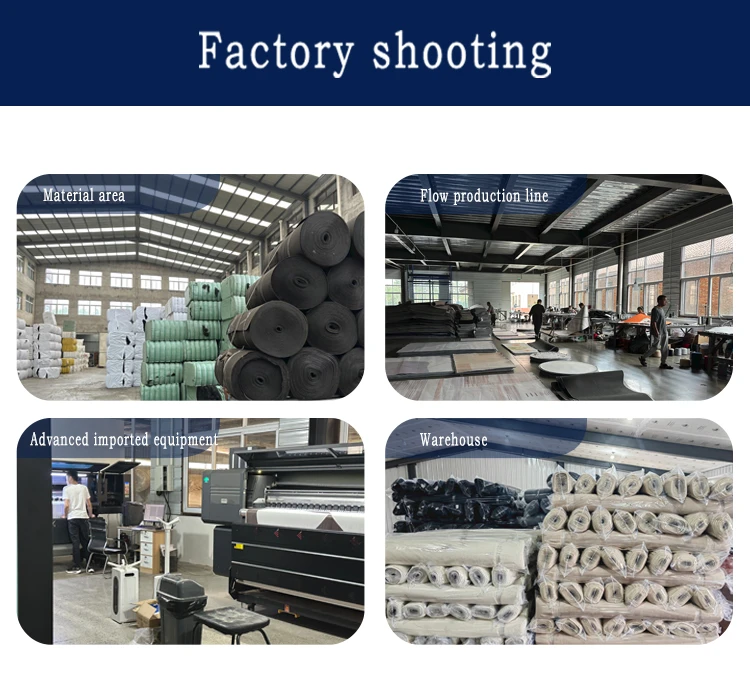
The foundational material for light blue faux fur rugs is typically a polyester or polypropylene fiber. Polyester (Polyethylene Terephthalate - PET) offers superior resilience and dye uptake, allowing for richer and more durable coloration. Polypropylene, while generally less expensive, exhibits better resistance to moisture and staining. The 'fur' texture is created through a process of pile construction. Initially, the polymer resin is extruded into continuous filaments. These filaments are then heat-set to impart crimp, which is crucial for creating the desired loft and texture. The crimped fibers are then tufted into a primary backing material – often polypropylene or jute – using specialized tufting machines. Tuft density (stitches per square inch) directly impacts the rug’s pile height, density, and overall durability. Following tufting, a latex adhesive is applied to the back to lock the tufts in place. A secondary backing material, often a felt or non-woven fabric, is then laminated to provide additional stability, cushioning, and prevent slippage. The light blue coloration is achieved through solution dyeing, where pigment is added to the polymer melt before fiber extrusion. This method offers excellent colorfastness. Quality control parameters during manufacturing include fiber denier (fineness), pile height consistency, tuft lock strength, and color matching against standardized Pantone swatches. Variations in these parameters directly impact the final product's appearance, tactile qualities, and long-term performance.
Performance & Engineering
The performance of a light blue faux fur rug is multifaceted, extending beyond aesthetic considerations. Pile compression resistance is a key engineering concern. This is quantified by measuring the percentage of pile height loss after repeated simulated foot traffic (measured in cycles). Higher quality rugs maintain a greater percentage of their original pile height. Fiber tensile strength, typically tested according to ASTM D2256, dictates the rug's resistance to tearing and abrasion. Colorfastness to light (ISO 105-B02) and washing (ISO 105-C06) are crucial to prevent fading or color bleeding. Static electricity buildup is another relevant performance factor, particularly in dry climates. Anti-static treatments, often involving the application of conductive polymers, can mitigate this issue. Flammability is governed by standards like NFPA 701 (Standard Methods of Fire Tests for Flame Propagation of Textiles and Films) and requires rugs to exhibit self-extinguishing properties. From a force analysis perspective, the rug experiences both static loads (from furniture) and dynamic loads (from foot traffic). The backing material and tuft lock strength determine the rug’s ability to distribute these loads without deformation or fiber loss. Environmental resistance necessitates evaluating the rug’s performance in varying humidity and temperature conditions, ensuring minimal dimensional change or material degradation.
Technical Specifications
| Parameter | Unit | Typical Value (Low End) | Typical Value (High End) |
|---|---|---|---|
| Pile Height | mm | 20 | 50 |
| Fiber Denier | dtex | 200 | 600 |
| Tuft Density | stitches/in² | 80 | 150 |
| Total Weight | g/m² | 800 | 1500 |
| Colorfastness to Light | Grey Scale Rating | 4 | 7 |
| Colorfastness to Washing | Grey Scale Rating | 3 | 5 |
Failure Mode & Maintenance
Common failure modes for light blue faux fur rugs include pile crushing (reduction in pile height due to repeated compression), fiber shedding (loss of fibers from the pile), and matting (flattening and tangling of fibers). These are often exacerbated by high traffic areas and inadequate vacuuming. Delamination of the backing layers can occur due to adhesive failure, particularly in humid environments. UV exposure can lead to color fading and fiber degradation, particularly with lower-quality dyes. Oxidation of the polymer fibers can also occur over prolonged periods, resulting in brittleness and discoloration. Maintenance recommendations include regular vacuuming (using a suction-only attachment to avoid snagging the fibers), prompt stain removal (using a mild detergent and water), and avoiding prolonged direct sunlight exposure. For delamination, professional re-gluing is recommended. Preventative measures include the use of rug pads to distribute weight and reduce compression, and rotating the rug periodically to equalize wear. Periodic brushing with a soft-bristled brush can help restore pile loft and remove accumulated dust and debris.
Industry FAQ
Q: What is the primary difference between polyester and polypropylene faux fur in terms of cleaning and stain resistance?
A: Polypropylene inherently possesses higher stain resistance due to its hydrophobic (water-repelling) nature. Polyester, while offering better color retention, is more prone to absorbing oil-based stains. Therefore, polypropylene rugs are generally easier to clean and maintain in high-traffic areas, particularly those prone to spills.
Q: How does tuft density impact the long-term durability of the rug?
A: Higher tuft density translates to a more robust and durable rug. A greater number of tufts per square inch distributes weight and stress more evenly, reducing the likelihood of fiber pull-out and pile crushing. Lower density rugs are more susceptible to wear and tear, especially in high-traffic zones.
Q: What are the implications of using solution-dyed versus piece-dyed fibers?
A: Solution-dyed fibers offer superior colorfastness, meaning they are much more resistant to fading from sunlight or washing. Piece-dyed fibers, where the yarn is dyed after weaving, tend to fade more readily. Solution dyeing is generally preferred for high-end rugs intended for prolonged use and exposure to light.
Q: Can faux fur rugs be professionally cleaned, and what cleaning methods are recommended?
A: Yes, faux fur rugs can be professionally cleaned, but it’s crucial to select a cleaner experienced with synthetic fibers. Dry cleaning is generally recommended, as harsh chemicals used in some wet cleaning processes can damage the fibers. Avoid excessive heat during drying, as it can cause shrinkage or deformation.
Q: What are the common flammability standards applied to faux fur rugs, and how do manufacturers ensure compliance?
A: Common flammability standards include NFPA 701 in the United States and similar standards in Europe (e.g., EN 13501-1). Manufacturers ensure compliance by treating the backing with flame-retardant chemicals, and by using inherently flame-resistant fibers where possible. Testing is conducted by independent, accredited laboratories to verify adherence to the relevant standards.
Conclusion
Light blue faux fur rugs represent a balance between aesthetic appeal and functional performance. Their manufacture relies heavily on polymer science and textile engineering, with key parameters like fiber type, pile density, and dye selection dictating overall quality and longevity. Understanding the potential failure modes – primarily related to pile compression, fiber shedding, and delamination – is critical for selecting appropriate maintenance strategies and maximizing the product's lifespan.
Future trends in this sector will likely focus on sustainable materials (e.g., recycled polyester), improved anti-static treatments, and enhanced stain resistance technologies. Procurement professionals should prioritize rugs that meet stringent performance standards, particularly regarding colorfastness, flammability, and durability, to ensure a satisfactory customer experience and minimize long-term replacement costs.