

light brown faux fur rug Performance Analysis
Introduction
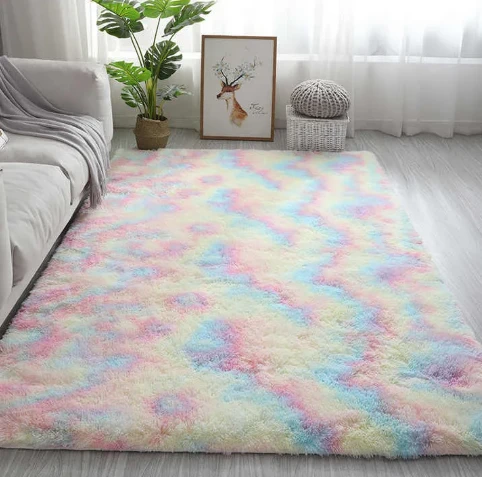
Light brown faux fur rugs represent a significant segment within the broader decorative flooring market, positioned as an accessible alternative to natural fur. Technically, these rugs consist of a woven or non-woven backing material, typically polypropylene or jute, upon which synthetic fibers are securely affixed. These fibers, commonly acrylic or polyester, are processed to mimic the texture and appearance of genuine animal fur. The core performance characteristics revolve around aesthetics, tactile comfort, and perceived luxury. Unlike natural fur, faux fur offers consistent color and texture, avoids ethical concerns associated with animal harvesting, and is generally more cost-effective. However, the industry faces challenges related to durability, cleaning protocols, and the environmental impact of synthetic fiber production. This guide provides an in-depth technical overview of light brown faux fur rugs, covering material science, manufacturing processes, performance engineering, potential failure modes, and relevant industry standards.
Material Science & Manufacturing
The production of light brown faux fur rugs hinges on the properties of two primary material categories: backing materials and synthetic fibers. Backing materials typically employ polypropylene (PP) due to its low cost, high tensile strength (ranging from 25-40 MPa depending on weave density), and resistance to moisture. Jute, a natural fiber, is also used, though it offers lower tensile strength (around 50-80 MPa) and is susceptible to biodegradation if exposed to prolonged moisture. Synthetic fibers are overwhelmingly acrylic or polyester. Acrylic fibers (polyacrylonitrile) provide a softer, more voluminous texture akin to real fur, with a denier typically between 2-5. They are known for their excellent dyeability, allowing for accurate light brown coloration, but exhibit lower abrasion resistance (around 5000 cycles using the Taber abrasion test) compared to polyester. Polyester fibers, possessing higher tensile strength (60-80 MPa) and abrasion resistance (up to 100,000 cycles), offer improved durability. Manufacturing begins with backing fabric production, often utilizing a tufting or needle-punching process. Synthetic fibers are then mechanically embedded into the backing, secured with a latex adhesive. Density (pile height and fiber weight per unit area, measured in grams per square meter – gsm) is a critical parameter, influencing both the aesthetic appearance and tactile feel. Finally, a secondary backing, often felt or a non-woven polypropylene fabric, is applied to enhance stability and prevent shedding. Precise control of fiber crimp, dyeing processes (using disperse dyes for polyester and basic dyes for acrylic), and adhesive application are vital for achieving consistent product quality.
Performance & Engineering
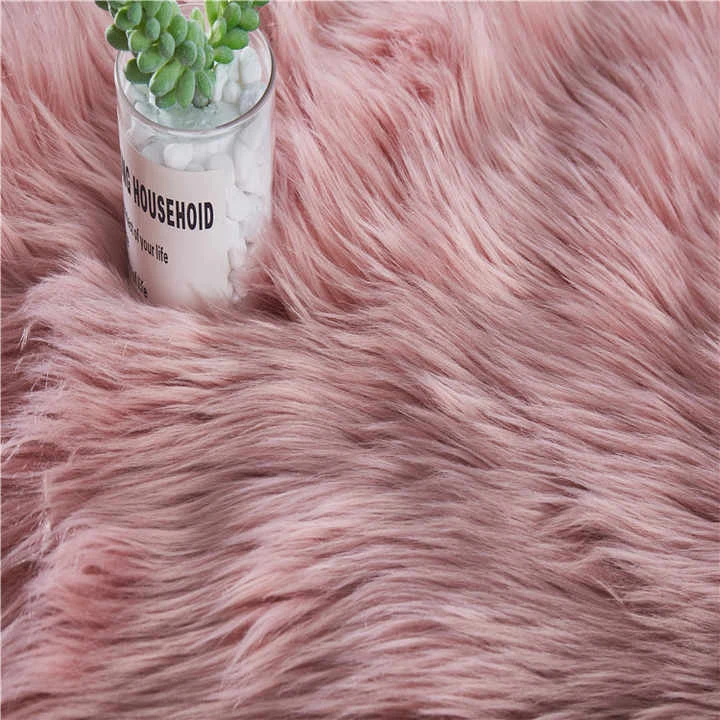
The performance of a light brown faux fur rug is evaluated based on several engineering considerations. Pile height, typically ranging from 20mm to 60mm, directly impacts comfort and aesthetic appeal, but also influences susceptibility to matting. Fiber density (gsm) affects the rug's overall weight, perceived luxury, and resistance to compression. Force analysis reveals that the rug’s load-bearing capacity is primarily dictated by the tensile strength of the backing material and the anchoring strength of the fibers within the backing. Environmental resistance is a critical concern. Exposure to direct sunlight can cause UV degradation of acrylic fibers, leading to discoloration and reduced tensile strength. Polyester exhibits greater UV stability. Moisture resistance is generally good due to the hydrophobic nature of both polypropylene and polyester; however, prolonged exposure to water can promote mildew growth within the backing material, particularly with jute. Fire resistance is often addressed through chemical treatments, though inherent flammability remains a limitation. Compliance requirements vary by region, but commonly include flammability standards (e.g., California Proposition 65 for formaldehyde emissions), VOC emission limits (e.g., CARB Phase 2), and labeling requirements regarding fiber content. The rug’s resistance to abrasion, quantified by the Wyzenbeek test (number of cycles to wear through the fabric) is a crucial indicator of long-term durability, especially in high-traffic areas.
Technical Specifications
| Parameter | Acrylic Fiber Rug | Polyester Fiber Rug | Backing Material |
|---|---|---|---|
| Fiber Denier | 2-5 | 3-7 | N/A |
| Pile Height (mm) | 20-60 | 20-60 | N/A |
| Fiber Density (gsm) | 800-1500 | 1000-2000 | N/A |
| Tensile Strength (Backing) (MPa) | 25-40 (PP) / 50-80 (Jute) | 25-40 (PP) / 50-80 (Jute) | 25-40 (PP) / 50-80 (Jute) |
| Abrasion Resistance (Taber Cycles) | 5000 | Up to 100,000 | N/A |
| UV Resistance (Color Fastness - Grey Scale) | 3-5 | 5-7 | N/A |
Failure Mode & Maintenance
Light brown faux fur rugs are susceptible to several failure modes. Pile shedding is a common issue, particularly in lower-quality rugs, resulting from inadequate fiber anchoring. Matting occurs due to fiber compression and entanglement, especially in high-traffic areas. Acrylic fibers are prone to pilling, the formation of small fiber balls on the surface, due to their inherent lower abrasion resistance. UV degradation, as previously noted, leads to discoloration and embrittlement of acrylic fibers. Delamination, the separation of the pile from the backing, can occur if the adhesive bond weakens due to moisture or mechanical stress. Oxidation of the latex adhesive over time can also contribute to delamination. Regular maintenance is crucial for prolonging the rug’s lifespan. Vacuuming at least twice weekly, using a low-suction nozzle, removes loose fibers and debris. Spot cleaning with a mild detergent and water is recommended for spills, avoiding harsh chemicals that can damage the fibers. Professional cleaning, utilizing dry cleaning or steam cleaning methods, is advisable every 12-18 months. Direct sunlight exposure should be minimized to prevent UV degradation. Rotation of the rug every six months promotes even wear and minimizes localized compression.
Industry FAQ
Q: What is the primary difference between acrylic and polyester faux fur in terms of longevity?
A: Polyester generally offers significantly greater longevity due to its superior abrasion resistance and UV stability. While acrylic provides a softer feel, it is more susceptible to pilling, fading, and breakdown with prolonged use and exposure to sunlight. Polyester rugs will maintain their appearance and structural integrity for a longer period, especially in high-traffic areas.
Q: How does the backing material affect the overall performance of the rug?
A: The backing material dictates the rug's dimensional stability, tensile strength, and resistance to moisture. Polypropylene (PP) is a cost-effective and durable choice, providing good resistance to stretching and mildew. Jute, while more eco-friendly, is less durable and prone to degradation if exposed to persistent moisture. The quality of the adhesive used to bond the fibers to the backing is also critical.
Q: Are faux fur rugs considered environmentally friendly?
A: The environmental impact of faux fur rugs is a complex issue. While they avoid the ethical concerns of natural fur, they are typically made from petroleum-based synthetic fibers (acrylic and polyester), which contribute to plastic pollution. Recycling options for these materials are limited. However, some manufacturers are exploring the use of recycled polyester fibers to mitigate this impact.
Q: What is the recommended pile height for a light brown faux fur rug intended for a high-traffic living room?
A: For a high-traffic living room, a pile height of 30-40mm is generally recommended. Lower pile heights are more resilient to compression and are easier to clean. Higher pile heights, while more luxurious, are more susceptible to matting and require more frequent maintenance.
Q: How can I prevent delamination of the faux fur pile from the backing?
A: Preventing delamination involves proper care and maintenance. Avoid excessive moisture exposure, vacuum regularly with a low-suction nozzle, and promptly address spills. Using a rug pad provides additional cushioning and reduces stress on the adhesive bond. Avoid harsh cleaning chemicals that can weaken the adhesive.
Conclusion
Light brown faux fur rugs present a balance between aesthetic appeal, affordability, and practicality. Understanding the underlying material science – the properties of acrylic, polyester, polypropylene, and jute – is critical for evaluating product quality and predicting long-term performance. Manufacturing processes, particularly fiber density and adhesive application, directly influence the rug’s durability and resistance to wear.
The industry continues to evolve, driven by demands for increased sustainability and improved performance characteristics. Future developments will likely focus on utilizing recycled materials, enhancing UV resistance, and optimizing fiber anchoring techniques to minimize shedding and extend the lifespan of these increasingly popular decorative flooring solutions.