

pink rabbit fur rug Performance Analysis
Introduction
Pink rabbit fur rugs represent a segment of the decorative textile industry focused on providing luxurious and aesthetically pleasing floor coverings. These rugs, typically manufactured from rabbit pelt or synthetic imitations, occupy a niche market driven by consumer demand for tactile comfort and visual appeal. Technically, these rugs function as layered fiber structures designed to offer thermal insulation, sound dampening, and a soft surface. Their performance is critically dependent on the quality of the fur (or synthetic equivalent), the backing material employed, and the manufacturing process used to bond these components. Core performance characteristics include pile density, fiber shedding rate, colorfastness, and resistance to abrasion. The industry faces challenges related to ethical sourcing of materials, durability against wear and tear, and susceptibility to damage from moisture and pests. Understanding these factors is crucial for both manufacturers and consumers.
Material Science & Manufacturing
The primary material in a genuine pink rabbit fur rug is, naturally, rabbit pelt. The fiber’s properties stem from the rabbit’s dense undercoat, providing exceptional warmth. This undercoat consists of fine, soft fibers with a relatively low crimp, contributing to the plush feel. The guard hairs, coarser and longer, provide some structural integrity. Synthetic alternatives utilize materials like modacrylic, acrylic, or polyester fibers, often mimicking the texture through specialized weaving or knitting techniques. Backing materials typically include jute, canvas, or a synthetic non-woven fabric. These materials provide structural support and prevent stretching. Manufacturing involves several key processes. First, pelts are tanned and dyed to achieve the desired pink coloration, utilizing dyes that must exhibit good colorfastness to prevent bleeding and fading. Next, the pelts are either sewn together to create a larger rug or cut into specific shapes and sizes. The fur side is then attached to the backing material, often using an adhesive or stitching. Pile height is carefully controlled during the manufacturing process, influencing the rug’s overall texture and density. Parameter control focuses on dye lot consistency, pelt quality (fiber length and density), adhesive bond strength, and uniformity of the pile. Maintaining consistent moisture content during tanning is crucial to prevent fiber damage.
Performance & Engineering
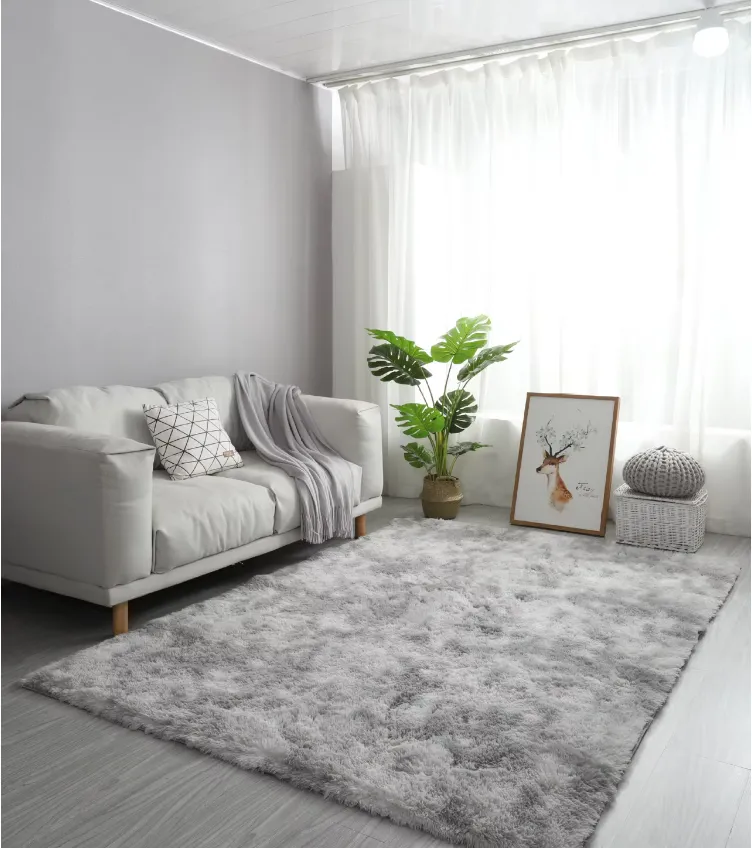
The performance of a pink rabbit fur rug is governed by several engineering principles. Force analysis focuses on the distribution of weight and stress across the rug’s surface. Higher pile density and robust backing materials contribute to improved load-bearing capacity and reduced deformation under foot traffic. Environmental resistance is a critical concern, particularly regarding moisture. Rabbit fur, while naturally somewhat water-repellent due to lanolin, can become damaged and matted when exposed to prolonged or significant moisture. Synthetic alternatives may offer better resistance depending on the specific polymer used. Compliance requirements are dictated by flammability standards (discussed in the standards section) and potentially by regulations regarding animal welfare and ethical sourcing. Functional implementation relies on the rug’s ability to provide thermal insulation and sound absorption. The air trapped within the fur fibers acts as an insulator, reducing heat loss. The fibrous structure also absorbs sound waves, reducing echo and noise levels. Pile height, density, and fiber type all influence these performance characteristics. A thicker, denser pile will generally provide greater insulation and sound absorption. Abrasion resistance is a key factor in determining the rug's lifespan. Frequent foot traffic can cause fiber wear and damage, leading to a reduction in pile height and overall aesthetic appeal.
Technical Specifications
| Parameter | Genuine Rabbit Fur | Modacrylic Blend | Polyester Imitation |
|---|---|---|---|
| Pile Height (mm) | 30-50 | 25-45 | 20-40 |
| Pile Density (fibers/cm²) | 800-1200 | 600-1000 | 400-800 |
| Fiber Diameter (µm) | 15-25 | 18-28 | 20-30 |
| Backing Material | Jute/Canvas | Synthetic Non-Woven | Synthetic Non-Woven |
| Moisture Absorption (%) | 15-20 | 2-5 | 1-3 |
| Colorfastness (Light Exposure - Grade 1-5) | 3-4 | 4-5 | 4-5 |
Failure Mode & Maintenance
Pink rabbit fur rugs are susceptible to several failure modes. Fatigue cracking can occur in the backing material under repeated stress from foot traffic. Delamination, or the separation of the fur from the backing, is a common issue, particularly if the adhesive bond is weak or compromised by moisture. Degradation of the fur fibers can occur due to exposure to UV light, causing discoloration and loss of softness. Oxidation can lead to fiber brittleness and eventual breakage. Pest infestation (moths, carpet beetles) poses a significant threat to genuine rabbit fur rugs. Maintenance is crucial for extending the rug’s lifespan. Regular vacuuming is essential to remove dust and debris. Professional cleaning is recommended at least annually, using a dry cleaning method appropriate for the fiber type. Avoid prolonged exposure to direct sunlight or high humidity. For genuine fur rugs, mothproofing treatments are essential. Spot cleaning should be performed immediately to prevent stains from setting. In the event of delamination, re-adhering the fur to the backing may be possible, but often requires professional intervention. For synthetic rugs, minor repairs such as loose fiber re-attachment can often be performed by the consumer.
Industry FAQ
Q: What is the primary difference between a genuine rabbit fur rug and a high-quality synthetic imitation, from a durability perspective?
A: Genuine rabbit fur, while luxurious, is inherently less durable than high-quality synthetic imitations, particularly modacrylic blends. Rabbit fur is susceptible to degradation from UV light, moisture, and pest infestation. Modacrylic fibers are engineered for greater resistance to these factors, resulting in a longer lifespan and reduced maintenance requirements. The backing material also plays a significant role; synthetic backings tend to be more resistant to cracking and delamination.
Q: How does the pile density affect the performance of the rug, specifically regarding thermal insulation and sound absorption?
A: Pile density directly correlates with the rug's thermal insulation and sound absorption capabilities. A higher pile density creates more air pockets within the rug’s structure, which act as insulators, trapping heat and reducing heat loss. Similarly, the dense arrangement of fibers effectively absorbs sound waves, reducing echo and noise levels. Generally, rugs with pile densities exceeding 800 fibers/cm² offer superior performance in both areas.
Q: What are the critical considerations when selecting a cleaning method for a pink rabbit fur rug?
A: The cleaning method must be carefully selected based on whether the rug is genuine rabbit fur or synthetic. Genuine rabbit fur requires dry cleaning by a specialist experienced in handling delicate animal fibers. Water-based cleaning can damage the fur and cause shrinkage. Synthetic rugs can often be cleaned using a mild detergent and water, but it's crucial to test the solution on an inconspicuous area first to ensure colorfastness. Avoid harsh chemicals and excessive scrubbing.
Q: What flammability standards apply to pink rabbit fur rugs, and how are they enforced?
A: Pink rabbit fur rugs are subject to flammability standards such as the Federal Flammability Standard FF 1-70 (USA) and similar regulations in other countries. These standards dictate the rug's resistance to ignition and the rate at which flames spread. Enforcement typically involves testing by independent laboratories and labeling requirements to inform consumers. Some jurisdictions may require rugs to meet specific flame retardant treatments.
Q: What is the typical lifespan of a well-maintained pink rabbit fur rug (both genuine and synthetic)?
A: A well-maintained genuine rabbit fur rug typically has a lifespan of 5-10 years, depending on usage and environmental conditions. Synthetic imitations, particularly those made from modacrylic or high-quality polyester, can last 10-15 years or longer with proper care. Regular cleaning, pest prevention (for genuine fur), and avoiding harsh conditions are crucial for maximizing the rug’s lifespan.
Conclusion
Pink rabbit fur rugs, whether genuine or synthetic, represent a significant investment in home décor. Understanding the material science behind their construction, the manufacturing processes involved, and the potential failure modes is crucial for informed purchasing decisions and proper maintenance. The performance of these rugs hinges on factors such as pile density, fiber type, backing material, and adherence to relevant industry standards.
The trend towards sustainable and ethical sourcing is likely to drive innovation in the industry, leading to the development of more environmentally friendly synthetic alternatives and improved animal welfare practices for genuine fur production. Future research may focus on enhancing the durability and stain resistance of both genuine and synthetic fibers, further extending the lifespan and value of these luxurious floor coverings.