


purple faux sheepskin rug Performance Analysis
Introduction
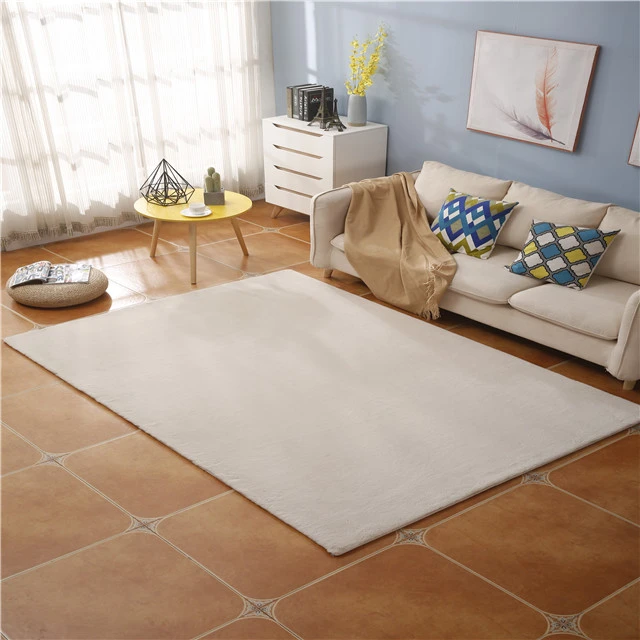
Purple faux sheepskin rugs are synthetic floor coverings designed to emulate the appearance and tactile sensation of natural sheepskin. Positioned within the broader home furnishings industry, specifically the decorative textiles segment, these rugs serve primarily aesthetic and comfort-enhancing functions. Their composition differs significantly from genuine sheepskin, utilizing manufactured fibers to achieve a comparable plush texture. Core performance characteristics center on durability, ease of maintenance, hypoallergenic properties (relative to natural wool), and colorfastness. The increasing demand for animal-free products and cost-effectiveness drives their market presence, placing them as a viable alternative in both residential and commercial settings. A key industry pain point revolves around consistent fiber density, resistance to matting, and achieving realistic aesthetic qualities that rival authentic sheepskin.
Material Science & Manufacturing
The primary material constituting purple faux sheepskin rugs is typically a blend of synthetic fibers, most commonly polypropylene (PP) and polyester. Polypropylene offers excellent stain resistance and a relatively low cost, while polyester contributes to softness and color retention. The base layer often consists of a jute or non-woven polypropylene backing, providing structural integrity. The “pile” – the surface that mimics sheep’s wool – is created through several manufacturing processes. Tufting is prevalent, where fibers are inserted into the backing material using needles. The density of the tufts directly correlates to the rug’s perceived quality and durability. A crucial parameter is denier – the linear mass density of the fiber; lower denier fibers yield a softer feel but reduced abrasion resistance. Following tufting, a latex adhesive secures the fibers. The rug undergoes shearing to achieve a uniform pile height and aesthetic consistency. Coloration is typically achieved through solution dyeing, where pigment is incorporated into the polymer melt before fiber extrusion, enhancing colorfastness. Quality control focuses on fiber tensile strength (measured via ASTM D2256), pile height uniformity, and color matching. Failure to control these parameters results in uneven texture, color variations, and premature wear.
Performance & Engineering
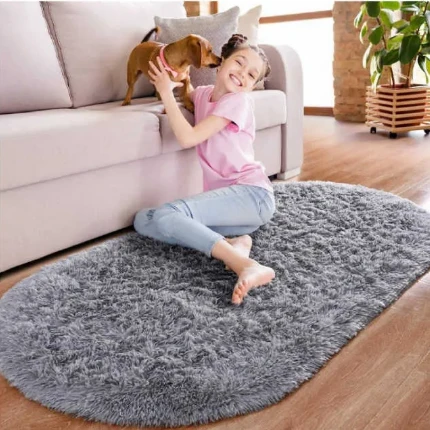
The performance of a purple faux sheepskin rug is dictated by its ability to withstand compressive forces, resist abrasion, and maintain its structural integrity over time. Force analysis considers both static loads (weight distribution from foot traffic) and dynamic loads (impact from dropped objects). The fiber’s resilience – its ability to recover its original shape after compression – is critical to prevent matting. Environmental resistance encompasses UV stability (to prevent fading), resistance to mold and mildew growth in humid environments, and thermal stability (ability to withstand temperature fluctuations without degradation). Compliance requirements include adherence to flammability standards (e.g., California Proposition 65 regarding phthalates and heavy metals) and VOC emission limits (Volatile Organic Compounds, regulated by standards such as CARB Section 01867). Engineering considerations involve optimizing the backing material’s tensile strength to prevent tearing and selecting appropriate adhesives that maintain bond integrity under varying temperature and humidity conditions. A significant performance challenge is preventing fiber shedding, which impacts both aesthetics and indoor air quality.
Technical Specifications
| Parameter | Unit | Typical Value (Low Grade) | Typical Value (High Grade) |
|---|---|---|---|
| Pile Height | mm | 20-25 | 30-40 |
| Fiber Density | fibers/inch² | 800-1200 | 1500-2200 |
| Fiber Composition | % | Polypropylene: 80%, Polyester: 20% | Polypropylene: 50%, Polyester: 50% |
| Backing Material | - | Jute | Non-woven Polypropylene |
| Tensile Strength (Backing) | N/mm² | 10-15 | 20-30 |
| Colorfastness to Light | Grade (1-5) | 3-4 | 4-5 |
Failure Mode & Maintenance
Purple faux sheepskin rugs are susceptible to several failure modes. Fiber shedding is common, particularly during the initial usage phase, resulting from loosely anchored fibers. Matting occurs due to prolonged compression, causing the pile to flatten and lose its plushness. This is exacerbated by heavy foot traffic. Delamination – the separation of the pile from the backing – is a significant concern, often initiated by adhesive failure due to temperature fluctuations or excessive moisture. UV degradation leads to color fading and embrittlement of the fibers, especially in areas exposed to direct sunlight. Oxidation can occur over extended periods, causing the polypropylene to become brittle and prone to cracking. Maintenance involves regular vacuuming with a suction-only cleaner (avoiding beater bars which accelerate fiber shedding). Spot cleaning with a mild detergent and water is recommended for spills. Professional cleaning, using a low-moisture extraction method, is advised annually to remove embedded dirt and restore pile loft. Prevention of prolonged direct sunlight exposure and maintaining moderate humidity levels can significantly extend the rug’s lifespan. Addressing stains promptly is vital to prevent permanent discoloration.
Industry FAQ
Q: What is the primary difference in durability between a polypropylene and polyester faux sheepskin rug?
A: Polypropylene generally exhibits superior abrasion resistance compared to polyester. While polyester provides a softer feel and better color retention, polypropylene holds up better under heavy foot traffic and is less prone to pilling. However, higher denier polyester fibers can narrow this performance gap.
Q: How does the backing material impact the overall lifespan of the rug?
A: The backing material is crucial for structural integrity. Jute backings are more affordable but prone to degradation from moisture and insect infestation. Non-woven polypropylene backings are more durable, water-resistant, and offer better dimensional stability, contributing to a longer lifespan.
Q: What VOC emissions should I be concerned with when sourcing these rugs, and what certifications should I look for?
A: The primary VOCs of concern are formaldehyde and other volatile organic compounds released from adhesives and textile treatments. Look for certifications such as Oeko-Tex Standard 100, which ensures the rug has been tested for harmful substances, and CARB Section 01867 compliance, verifying low VOC emissions.
Q: How critical is pile height to the perceived quality and longevity of the rug?
A: Pile height directly impacts the rug’s plushness and perceived quality. Higher pile heights (30-40mm) generally feel more luxurious, but are more susceptible to matting. Maintaining sufficient fiber density at a given pile height is more important than simply maximizing pile height.
Q: What is solution dyeing and why is it preferable for faux sheepskin rugs?
A: Solution dyeing involves adding pigment to the polymer melt before the fibers are extruded. This results in significantly superior colorfastness compared to traditional dye methods, where dye is applied to the finished fibers. Solution-dyed fibers resist fading from sunlight and washing, making them ideal for rugs that will be exposed to significant light or require frequent cleaning.
Conclusion
Purple faux sheepskin rugs represent a compelling alternative to genuine sheepskin, offering a blend of aesthetic appeal, comfort, and cost-effectiveness. Their performance and longevity are intrinsically linked to the quality of materials, manufacturing processes, and adherence to relevant industry standards. Understanding the nuances of fiber composition, pile density, backing material, and potential failure modes is crucial for informed procurement and ensuring a product that meets desired performance criteria.
Moving forward, innovation in fiber technology – particularly the development of more durable and resilient polypropylene and polyester blends – will continue to improve the performance of faux sheepskin rugs. Further research into sustainable manufacturing practices and environmentally friendly adhesives will also address growing consumer demand for eco-conscious products. Ultimately, a holistic approach that considers material science, engineering principles, and quality control is essential for producing high-quality, long-lasting purple faux sheepskin rugs.