

sage green faux fur rug Performance Analysis
Introduction
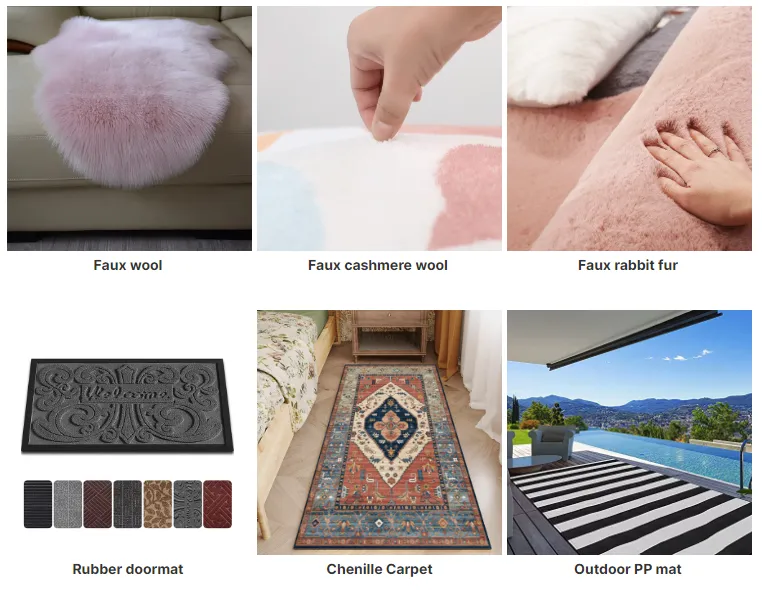
Sage green faux fur rugs represent a significant development in the interior textile industry, offering a cost-effective and ethically sourced alternative to genuine fur. Positioned within the broader market of floor coverings and decorative textiles, these rugs are primarily utilized for aesthetic enhancement and tactile comfort. Their technical performance is defined by the synthetic fiber composition, pile height, density, and backing material. Core performance characteristics include visual resemblance to natural fur, softness, resistance to shedding (relative to natural fur), ease of cleaning, and suitability for various indoor environments. A primary industry pain point is maintaining a balance between realistic aesthetic appearance, durability, and adherence to evolving consumer demands for sustainable materials and manufacturing processes. The escalating demand for vegan and cruelty-free products is driving innovation in faux fur technology, focusing on improved fiber characteristics and reduced environmental impact. This guide provides an in-depth technical examination of sage green faux fur rugs, encompassing material science, manufacturing processes, performance parameters, potential failure modes, and relevant industry standards.
Material Science & Manufacturing
The core material of sage green faux fur rugs is typically a synthetic polymer, most commonly polypropylene (PP) or polyester (PET). Polypropylene is favored for its cost-effectiveness, inherent stain resistance, and ability to mimic the texture of natural fur effectively. Polyester, conversely, provides superior dye uptake resulting in richer, more consistent color, and exhibits better resilience against crushing. The 'fur' fibers themselves are produced through extrusion, a process where molten polymer is forced through spinnerets to create continuous filaments. These filaments are then crimped – often using mechanical or thermal methods – to introduce bulk and create the desired fluffy texture. The sage green coloration is achieved through the addition of pigments during the extrusion process, requiring precise color matching and consistency controls. The backing material is crucial for structural integrity and can vary from woven polypropylene to jute or latex coating applied to a non-woven fabric. Manufacturing typically involves tufting, where fibers are inserted into the backing material using needles. Density and pile height are directly controlled during tufting. Post-tufting processes include shearing to achieve the desired pile length and density, and brushing to enhance the softness and fluffiness. Key parameter controls include polymer melt flow index (MFI), filament denier, crimp frequency, dye concentration, tufting gauge, and backing weight. Improper control of these parameters can lead to inconsistencies in texture, color variation, and reduced durability. Fiber compatibility with the backing material is critical; delamination can occur if bonding is insufficient. Environmental considerations include minimizing volatile organic compound (VOC) emissions during manufacturing and responsible disposal of production waste.
Performance & Engineering
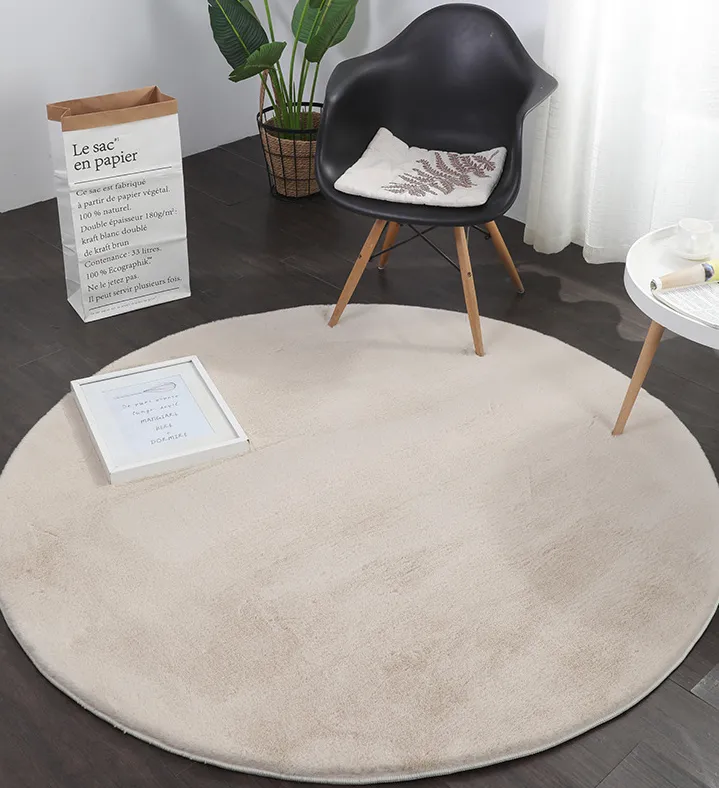
The performance of a sage green faux fur rug is dictated by several engineering considerations. Static load bearing capacity is determined by the fiber density and backing strength. A higher pile weight (grams per square meter - GSM) generally correlates with improved load distribution and reduced compression set. Abrasion resistance is primarily governed by the polymer type; polypropylene typically demonstrates lower abrasion resistance compared to polyester. Colorfastness is a critical parameter, assessed through light exposure testing (e.g., AATCC 163) and wash testing (e.g., AATCC 107). Flammability is a significant safety concern. Faux fur rugs are inherently combustible, and often treated with flame retardants to meet regulatory requirements (e.g., California Proposition 65). The effectiveness of these treatments degrades over time and with cleaning. Environmental resistance considerations include resistance to moisture (hydrophobic properties of the polymers), UV degradation (particularly for polypropylene which can become brittle with prolonged exposure), and chemical resistance (resistance to common household cleaning agents). Force analysis during use reveals that the rug experiences both compressive and shear stresses. The backing material must withstand these forces without tearing or delaminating. Compliance requirements often dictate performance thresholds for flammability, VOC emissions, and heavy metal content. The pile structure itself influences airflow and thermal insulation properties, contributing to the rug's perceived comfort. The rug's ability to maintain its shape and recover from compression (resilience) is a function of fiber properties and backing construction. Slip resistance is enhanced by the backing material – often incorporating latex or anti-slip coatings.
Technical Specifications
| Parameter | Polypropylene (PP) | Polyester (PET) | Unit |
|---|---|---|---|
| Pile Height | 25-40 | 25-40 | mm |
| Pile Weight | 800-1200 | 1000-1500 | gsm |
| Fiber Denier | 200-400 | 300-600 | dtex |
| Backing Material | Woven Polypropylene/Latex | Jute/Latex | - |
| Colorfastness to Light (AATCC 163) | Rating 4-5 | Rating 5-6 | - |
| Flammability (ASTM D2859) | Class I (with treatment) | Class I (with treatment) | - |
Failure Mode & Maintenance
Sage green faux fur rugs are susceptible to several failure modes. Fiber shedding is a common issue, particularly with lower-quality polypropylene rugs. This is exacerbated by abrasion and frequent use. Matting and crushing of the pile occur due to repeated compression, reducing the rug's aesthetic appeal and comfort. Color fading is a significant concern, particularly in areas exposed to direct sunlight, due to UV degradation of the polymer. Delamination of the backing material from the pile is a critical failure mode, often resulting from inadequate adhesive bonding or moisture exposure. Staining can occur, though polypropylene exhibits inherent stain resistance. Polyester, while accepting dye more readily, may be more susceptible to certain types of stains. Mechanical damage, such as tearing or puncturing, can occur from sharp objects. Oxidation of the polymer can occur over time, leading to brittleness and cracking, especially in the presence of ozone or other oxidizing agents. Maintenance involves regular vacuuming to remove loose debris and prevent matting. Spot cleaning with mild detergent and water is recommended for stain removal. Avoid harsh chemicals or abrasive cleaners. Professional cleaning may be necessary for deep cleaning and restoration. Preventative measures include rotating the rug to distribute wear evenly, using rug pads to provide cushioning and prevent slippage, and minimizing direct sunlight exposure. Periodic brushing can help restore pile loft and fluffiness. Proper storage in a dry, well-ventilated area is essential to prevent mold and mildew growth.
Industry FAQ
Q: What is the primary difference in durability between polypropylene and polyester faux fur rugs?
A: Polyester generally offers superior abrasion resistance and resilience compared to polypropylene. Polypropylene is more prone to wear and tear under heavy foot traffic and may exhibit more noticeable matting over time. However, polypropylene is more naturally stain resistant.
Q: How does the backing material affect the overall performance and lifespan of the rug?
A: The backing provides structural integrity. Jute is more eco-friendly but less durable and susceptible to moisture damage. Woven polypropylene is more robust and resistant to moisture but may offer less cushioning. Latex coatings provide good adhesion and slip resistance, but can degrade over time.
Q: What are the environmental considerations associated with faux fur rug manufacturing and disposal?
A: The primary environmental concerns revolve around the use of petroleum-based polymers. Responsible manufacturing focuses on minimizing VOC emissions, recycling production waste, and sourcing sustainable materials where possible. Disposal is challenging as most synthetic fibers are not readily biodegradable.
Q: What flammability standards are typically applicable to faux fur rugs and how are they addressed?
A: Standards like ASTM D2859 and California Proposition 65 are common. Rugs are often treated with flame retardants to meet these standards. However, the effectiveness of these treatments diminishes with time and cleaning. Proper labeling is crucial.
Q: How can I maximize the lifespan and maintain the appearance of my sage green faux fur rug?
A: Regular vacuuming, prompt stain removal with mild detergents, avoiding harsh chemicals, rotating the rug to distribute wear, using a rug pad, and minimizing direct sunlight exposure are all critical steps. Periodic brushing can help restore pile loft.
Conclusion
Sage green faux fur rugs represent a technologically advanced solution in the realm of interior textiles, delivering aesthetic appeal, comfort, and ethical sourcing. The performance characteristics are fundamentally linked to the polymer composition, manufacturing processes, and backing materials employed. Understanding the interplay of these factors is essential for specifying rugs that meet specific performance requirements and ensuring long-term durability.
Future innovations in this field are likely to focus on the development of bio-based polymers, improved fiber technologies for enhanced resilience and abrasion resistance, and more sustainable manufacturing processes. Adherence to relevant industry standards (flammability, VOC emissions, etc.) remains paramount. Continued research into effective flame retardant treatments that minimize environmental impact will be critical for maintaining product safety and sustainability.