


shaggy fur throw Performance Engineering

Introduction
Shaggy fur throws, categorized within the broader textile and home furnishing industries, represent a significant segment driven by consumer demand for comfort, aesthetics, and perceived luxury. Technically, these throws are engineered textile constructions employing pile fabrics to mimic animal fur, typically composed of synthetic fibers. Their position in the value chain extends from petrochemical feedstock production (for synthetic fiber creation) through polymerization, fiber extrusion, knitting or weaving, dyeing/finishing, and finally, fabrication into the finished throw. Core performance characteristics center around thermal insulation (measured in Clo units), tactile sensation (pile height and density are critical), aesthetic appeal (colorfastness and sheen), and durability (resistance to abrasion and pilling). A primary industry pain point revolves around balancing cost-effectiveness with perceived quality – consumers desire the look and feel of genuine fur at a fraction of the price, requiring manufacturers to optimize fiber selection and construction techniques. Another challenge lies in ensuring consistent pile density and preventing excessive shedding, impacting both product lifespan and consumer satisfaction.
Material Science & Manufacturing
The primary raw materials for shaggy fur throws are synthetic fibers, predominantly polyester (polyethylene terephthalate - PET) and acrylic (polyacrylonitrile). Polyester is favored for its durability, wrinkle resistance, and relatively low cost. Acrylic offers a closer approximation to the tactile characteristics of natural fur due to its higher bulk and softer hand. The manufacturing process typically begins with the polymerization of the monomer (ethylene glycol and terephthalic acid for polyester, acrylonitrile for acrylic). This is followed by melt extrusion, forming continuous filaments. These filaments are then drawn (stretched) to increase tensile strength and oriented to improve crystallinity. The key manufacturing step is pile formation. This is achieved via several methods: knitting, weaving, or tufting. Tufting, the most common technique, involves inserting loops of yarn into a primary backing material (typically polypropylene) using needles. The loops are then secured with a latex adhesive. The pile is subsequently sheared to achieve a consistent height and density. Parameter control is crucial throughout. Melt temperature and cooling rate during extrusion impact fiber diameter and uniformity. Dyeing requires careful control of temperature, pH, and dye concentration to ensure colorfastness and avoid fiber damage. Pile density (stitches per inch) directly correlates with the throw's weight, thermal performance, and perceived luxury. The quality of the backing material impacts the overall structural integrity and resistance to delamination.
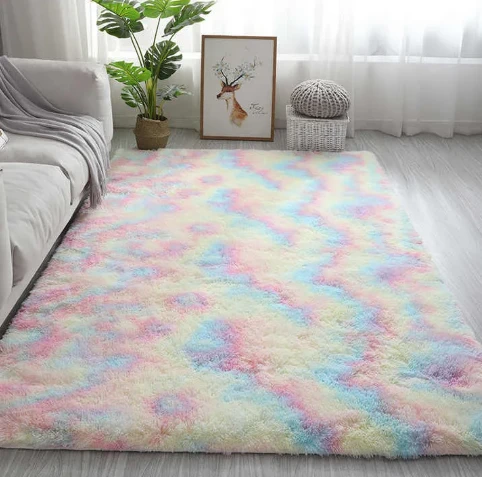
Performance & Engineering
The performance of a shaggy fur throw is governed by several engineering principles. Thermal insulation is directly related to the air entrapment within the pile structure. Higher pile density and fiber crimp enhance air entrapment, leading to improved Clo values (a measure of thermal resistance). Force analysis focuses on tensile strength and tear resistance. The choice of fiber and knitting/weaving pattern significantly influences these properties. The backing material contributes to overall structural integrity and resistance to stretching or deformation. Environmental resistance considerations include UV exposure (leading to color fading and fiber degradation), washing durability (fiber swelling and potential dye bleeding), and fire retardancy (often achieved through chemical treatments). Compliance requirements vary by region but typically involve flammability standards (e.g., California Proposition 65 for formaldehyde content) and chemical restrictions (e.g., REACH regulations in Europe regarding the use of certain dyes and chemicals). Functional implementation considerations include the throw's intended use (bedspread, sofa cover, decorative accent) which dictates size, weight, and aesthetic requirements. The pile height and density must be optimized to provide both comfort and structural stability. A key design challenge is minimizing shedding, which requires careful fiber selection, yarn twisting, and adhesive application during tufting.
Technical Specifications
| Parameter | Polyester Shaggy Throw (Standard Grade) | Acrylic Shaggy Throw (Mid-Range) | Polyester/Acrylic Blend (Premium) | Units |
|---|---|---|---|---|
| Pile Height | 50 | 65 | 75 | mm |
| Pile Density | 800 | 1000 | 1200 | stitches/100cm² |
| Fiber Denier | 150 | 120 | 150/80 (Polyester/Acrylic) | dtex |
| Weight | 800 | 1000 | 1200 | gsm (grams/square meter) |
| Tensile Strength (Warp/Weft) | 200/150 | 150/120 | 250/200 | N |
| Colorfastness to Washing (Grey Scale) | 4-5 | 3-4 | 4-5 | Grade (1-5) |
Failure Mode & Maintenance
Shaggy fur throws are susceptible to several failure modes. Pilling, the formation of small balls of fiber on the surface, is a common issue, particularly with polyester throws, due to fiber friction and abrasion. Shedding, the loss of individual fibers, results from incomplete fiber anchoring during tufting or damage to the pile during use. Delamination, the separation of the pile from the backing material, is a more serious failure, often caused by adhesive degradation or excessive stress. Fiber degradation, caused by UV exposure or chemical attack, leads to color fading and reduced strength. Maintenance is critical to extending the throw’s lifespan. Regular vacuuming with a brush attachment helps to remove loose fibers and prevent matting. Machine washing is generally acceptable, but low temperatures and gentle cycles are recommended to minimize fiber damage and dye bleeding. Avoid harsh detergents and bleach. Tumble drying on low heat or air drying is preferred. Professional cleaning may be necessary for heavily soiled throws. Addressing delamination typically requires re-adhering the pile to the backing using a specialized textile adhesive, though this is often a temporary solution. Prevention of UV degradation can be achieved by limiting direct sunlight exposure.
Industry FAQ
Q: What is the primary difference between polyester and acrylic shaggy throws in terms of performance?
A: Polyester throws generally exhibit superior durability and abrasion resistance, making them more suitable for high-traffic areas. Acrylic throws, however, offer a softer hand feel and a closer approximation to the texture of natural fur, providing enhanced comfort. Acrylics are also generally more prone to pilling and UV degradation than polyester.
Q: How does pile density impact the thermal insulation of a shaggy throw?
A: Higher pile density directly correlates with increased air entrapment within the fabric structure. This entrapped air acts as an insulator, reducing heat transfer and improving the throw's Clo value. However, excessively high pile density can also lead to a stiffer, less comfortable feel.
Q: What are the key considerations for ensuring colorfastness in dyed shaggy throws?
A: Colorfastness is dependent on the dye chemistry, the fiber type, and the dyeing process parameters. Selecting high-quality dyes with good affinity for the fiber is essential. Maintaining optimal temperature, pH, and dye concentration during dyeing is crucial. Post-dyeing treatments, such as soaping and fixing agents, can further enhance colorfastness.
Q: What steps can be taken to minimize shedding in a new shaggy throw?
A: Shedding is common in new throws due to loose fibers. Regular vacuuming during the initial weeks of use can help remove these fibers. Ensuring proper fiber anchoring during tufting (adequate adhesive application and needle penetration) is critical. Using high-twist yarns can also reduce shedding.
Q: How do flammability standards affect the manufacturing of shaggy fur throws?
A: Flammability standards, such as those established by California Proposition 65 or similar regulations in other regions, dictate limits on the flammability of textile products. Manufacturers often employ fire-retardant chemical treatments to meet these standards. However, these treatments can sometimes affect the throw’s softness and hand feel.
Conclusion
Shaggy fur throws represent a complex intersection of material science, textile engineering, and manufacturing processes. Achieving optimal performance necessitates a thorough understanding of fiber properties, pile formation techniques, and environmental resistance considerations. The industry continually faces the challenge of balancing cost-effectiveness with desired aesthetic and tactile qualities, driving innovation in fiber blends, dyeing technologies, and manufacturing efficiencies.
Looking ahead, advancements in sustainable fiber production (e.g., recycled polyester) and bio-based acrylics are expected to gain prominence. Furthermore, the development of more durable and resilient pile fabrics, minimizing shedding and delamination, will remain a key focus. Meeting evolving consumer demands for both comfort and environmental responsibility will dictate the future trajectory of the shaggy fur throw market.