

small faux animal skin rugs Performance Analysis
Introduction
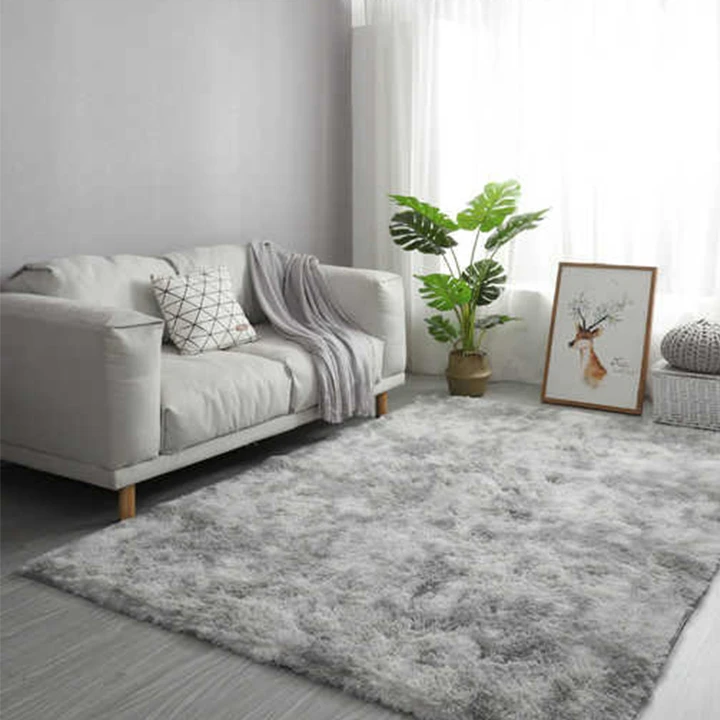
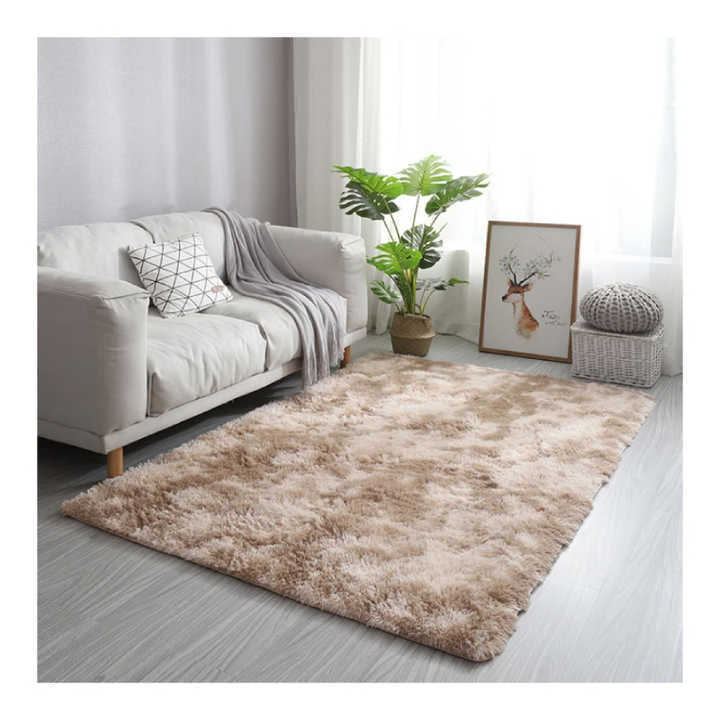
Small faux animal skin rugs represent a synthetic alternative to traditional animal hides, finding widespread application in residential and commercial interior design. Positioned within the broader textile and floor covering industry, these rugs aim to provide aesthetic appeal and tactile comfort without utilizing genuine animal products. Their production relies heavily on advancements in polymer chemistry and textile manufacturing. Core performance characteristics center around visual replication of animal fur, durability under pedestrian traffic, ease of cleaning, and resistance to common household allergens. The growing demand for cruelty-free and sustainable home décor options has driven significant market expansion. The product’s technical success hinges on accurately mimicking the pile height, density, and texture of natural fur while maintaining acceptable levels of abrasion resistance and colorfastness. Understanding the manufacturing nuances and material properties is crucial for ensuring long-term performance and consumer satisfaction, addressing a key pain point in the industry – consistent quality and longevity of synthetic materials. Furthermore, adhering to flammability and VOC emission standards is paramount for market acceptance and consumer safety.
Material Science & Manufacturing
The primary material in small faux animal skin rugs is typically a synthetic fiber, most commonly polypropylene (PP), polyester, or acrylic. Polypropylene is favored for its cost-effectiveness, inherent stain resistance, and good resilience. Polyester offers superior softness and dyeability, enabling more realistic color replication. Acrylic provides a wool-like texture but often lacks the durability of polypropylene or polyester. The manufacturing process begins with the production of these polymer fibers through extrusion. Molten polymer is forced through spinnerets to create continuous filaments, which are then drawn, textured, and crimped to enhance bulk and tactile properties. The crucial parameter here is denier – the linear mass density of the fiber, influencing softness and pile characteristics. Next, the fibers undergo a tufting process where they are inserted into a primary backing material, typically polypropylene woven fabric. This is followed by coating the backing with a layer of latex adhesive to secure the tufts. A secondary backing, often felt or jute, is then applied for added stability and cushioning. Pile height, determined by the length of the tufted fibers, is a critical parameter influencing the rug's aesthetic and feel. Density, measured in tufts per square inch, directly impacts durability and overall appearance. Colorfastness is achieved through solution dyeing, where pigment is incorporated into the polymer before extrusion, or through post-dyeing techniques. Consistent control of temperature, pressure, and fiber feed rates throughout these processes is essential for achieving uniform pile structure and optimal performance. Chemical compatibility between the fiber, adhesive, and backing materials is also vital to prevent delamination and ensure structural integrity. In some higher-end products, microfibers are used to achieve an exceptionally realistic fur-like texture. The challenge lies in maintaining consistent microfiber orientation and preventing clumping during manufacturing.
Performance & Engineering
The performance of small faux animal skin rugs is heavily influenced by their ability to withstand compressive forces and abrasion. Force analysis reveals that the majority of stress is concentrated at the fiber-to-fiber and fiber-to-backing interfaces. The resilience of the fibers, quantified by their ability to recover from deformation, is crucial for maintaining pile height and preventing matting. Environmental resistance is another critical aspect. Prolonged exposure to UV radiation can cause polymer degradation, leading to color fading and loss of strength. Testing for UV resistance, typically measured in hours to 50% shade change, is vital. Moisture resistance is generally good with polypropylene and polyester, but acrylic fibers can absorb moisture, potentially leading to mildew growth. Compliance requirements dictate adherence to flammability standards, such as the California Bulletin 95 and the Federal Flammability Standard FF 1-70. VOC emission standards, like those established by GREENGUARD, are increasingly important to ensure indoor air quality. Functional implementation considerations include the rug’s slip resistance, which is determined by the backing material and any applied coatings. Static electricity buildup can also be a concern, particularly with synthetic fibers; anti-static treatments are often applied. Abrasion resistance, tested using methods like the Taber abrasion test, directly correlates to the rug’s lifespan and ability to maintain its aesthetic appeal under foot traffic. The backing material’s tensile strength and elongation properties contribute significantly to the overall structural integrity and resistance to tearing.
Technical Specifications
| Parameter | Polypropylene (PP) | Polyester | Acrylic | Units |
|---|---|---|---|---|
| Pile Height | 20-30 | 25-35 | 20-30 | mm |
| Pile Density | 800-1200 | 1000-1500 | 700-1000 | Tufts/sq. in |
| Fiber Denier | 300-500 | 400-600 | 500-800 | |
| Tensile Strength | 40-60 | 50-70 | 30-50 | cN/tex |
| UV Resistance | 200-400 | 300-500 | 100-200 | Hours to 50% shade change |
| Water Absorption | <0.1 | <0.5 | 5-10 | % |
Failure Mode & Maintenance
Small faux animal skin rugs are susceptible to several failure modes. Delamination, the separation of the pile from the backing, is a common issue, often caused by adhesive failure or insufficient fiber anchorage. Fatigue cracking can occur in the backing material due to repeated compression and flexing. Polymer degradation, particularly in acrylic fibers, leads to embrittlement and loss of pile integrity. Oxidation, accelerated by UV exposure, results in color fading and surface chalking. Abrasion leads to fiber wear and pile reduction, particularly in high-traffic areas. Matting, the flattening of the pile, occurs due to fiber deformation and entanglement. Maintenance involves regular vacuuming to remove loose dirt and debris. Spot cleaning with mild detergent and water is recommended for spills, avoiding harsh chemicals that can damage the fibers. Professional cleaning, using a low-moisture extraction method, is advised for deep cleaning. Avoiding direct sunlight can minimize UV degradation. Rotating the rug periodically helps distribute wear evenly. For delamination, re-adhering the pile with a suitable latex adhesive may provide temporary relief, but complete replacement is often necessary. Preventative measures include using rug pads to provide cushioning and reduce stress on the backing and fibers. Addressing spills promptly is crucial to prevent staining and fiber damage. Correct identification of the fiber type is vital for selecting appropriate cleaning agents.
Industry FAQ
Q: What is the primary difference in durability between a polypropylene and polyester faux fur rug?
A: Polypropylene generally offers superior abrasion resistance and inherent stain resistance, making it more durable for high-traffic areas. Polyester, while softer and with better color retention, is more prone to wear and tear under consistent foot traffic. However, advances in polyester fiber technology are narrowing this gap with the introduction of more durable polyester variants.
Q: How can I mitigate the risk of color fading due to sunlight exposure?
A: Minimizing direct sunlight exposure is the most effective method. Using curtains or blinds to filter UV rays is highly recommended. Rugs manufactured with solution-dyed fibers offer better UV resistance than those with surface-dyed fibers. Regular rotation of the rug can also help distribute UV exposure and prevent uneven fading.
Q: What backing material provides the best slip resistance for a faux fur rug on a hardwood floor?
A: A latex or PVC backing offers improved slip resistance compared to felt or jute. However, for optimal safety, a separate rug pad with a non-slip surface is highly recommended, especially on smooth surfaces like hardwood. The pad’s material and thickness contribute to its effectiveness.
Q: What are the common causes of pile matting in faux fur rugs and how can it be addressed?
A: Pile matting is primarily caused by fiber deformation and entanglement due to compression. Regular vacuuming with a brush attachment can help fluff the pile and restore some of its original appearance. Using a rug pad provides cushioning and reduces compression. High-density pile rugs are less susceptible to matting than those with lower densities.
Q: Are there any specific VOC emission standards I should be aware of when sourcing these rugs?
A: Yes, GREENGUARD Gold certification is a widely recognized standard for low VOC emissions, ensuring good indoor air quality. Compliance with California Department of Public Health (CDPH) Standard Method v1.2 is also a valuable indicator of low VOC emissions. Procurement managers should request VOC emission reports from suppliers.
Conclusion
Small faux animal skin rugs represent a complex interplay of polymer science, textile engineering, and aesthetic design. Their performance and longevity are critically dependent on material selection, manufacturing process control, and adherence to industry standards. Understanding the nuances of fiber properties – denier, tensile strength, and UV resistance – is essential for selecting a rug that meets specific performance requirements. Addressing potential failure modes, such as delamination and polymer degradation, through proper maintenance and preventative measures is crucial for maximizing lifespan and consumer satisfaction.
The continued development of more durable and sustainable synthetic fibers, alongside advancements in tufting and backing technologies, will further enhance the performance and appeal of these products. Increasing consumer demand for cruelty-free alternatives and environmentally responsible materials will continue to drive innovation in the faux fur rug market. Focus on improving abrasion resistance, minimizing VOC emissions, and enhancing the realism of the fur-like texture are key areas for future research and development.