


small white faux fur rug Performance Analysis
Introduction
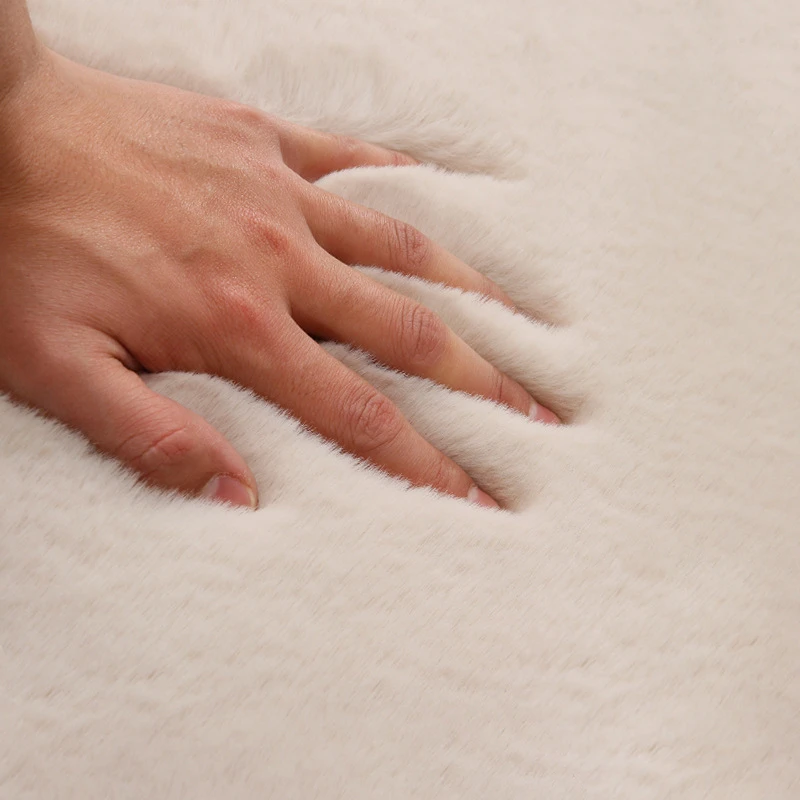
Small white faux fur rugs represent a significant category within the broader decorative textiles industry, specifically addressing the demand for cost-effective, aesthetically pleasing, and ethically sourced floor coverings. Unlike natural fur rugs, these products utilize synthetic fibers designed to mimic the look and feel of animal fur, catering to consumer preferences for luxury without the associated animal welfare concerns. Positioned downstream from petrochemical and polymer manufacturing, the production chain relies heavily on advancements in fiber extrusion and textile engineering. Core performance characteristics revolve around pile density, fiber durability, colorfastness, and resistance to shedding, ultimately dictating the rug’s longevity and aesthetic maintenance. The growing market demand is driven by interior design trends favoring tactile and visually soft elements, coupled with increased awareness regarding sustainable and cruelty-free product options. This guide provides a detailed technical overview of small white faux fur rugs, encompassing material science, manufacturing processes, performance analysis, potential failure modes, and relevant industry standards.
Material Science & Manufacturing
The primary material component of small white faux fur rugs is typically acrylic or polyester fiber. Acrylic fibers (polyacrylonitrile) are favored for their close resemblance to natural fur, exhibiting a soft hand-feel and excellent bulk. However, acrylic exhibits lower abrasion resistance and UV stability compared to polyester. Polyester, specifically polyethylene terephthalate (PET), offers superior durability, resilience, and resistance to fading, although it may initially feel less plush than acrylic. The choice between acrylic and polyester depends on the targeted price point, desired performance characteristics, and intended application. Manufacturing begins with polymer extrusion, where raw polymer pellets are melted and forced through spinnerets to create continuous filaments. These filaments are then crimped and cut to specific lengths, forming the staple fibers used in the rug pile. The backing material is usually composed of polypropylene (PP) or jute, providing structural support and dimensional stability. A key manufacturing process is tufting, where fibers are inserted into the backing material using needles. The density of tufting directly impacts the pile density and overall rug quality. Following tufting, a latex coating is applied to secure the fibers in place. A secondary backing, often felt or non-woven fabric, is laminated to the latex coating for added durability and improved grip. Critical parameter control during manufacturing includes consistent fiber denier (fineness), accurate color matching utilizing pigment dispersion techniques, precise tufting gauge and pitch, and uniform latex application to prevent fiber pull-out. Chemical compatibility of dyes and latex with the chosen polymer is also vital to ensure long-term colorfastness and structural integrity.
Performance & Engineering
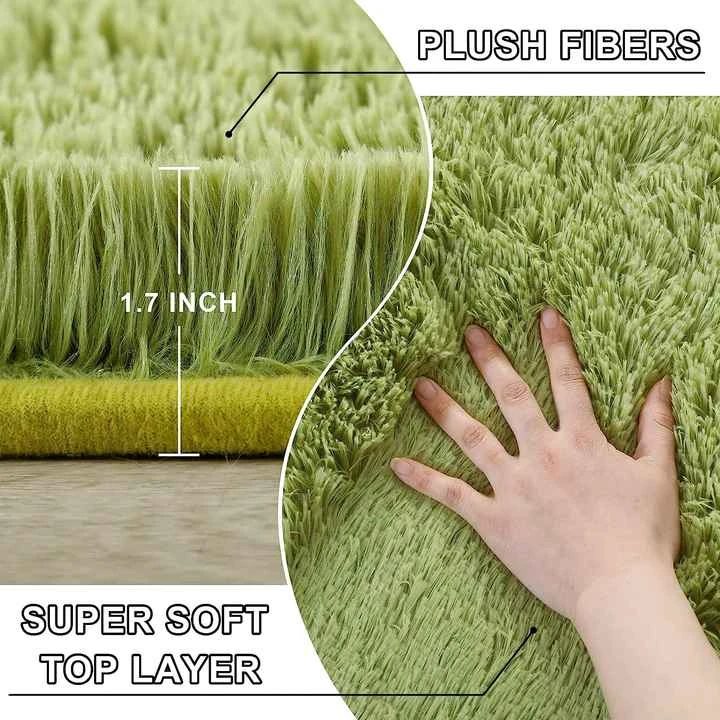
The performance of a small white faux fur rug is critically assessed through several engineering parameters. Pile height and density determine the rug's softness and tactile comfort. Higher pile heights generally offer a more luxurious feel but are prone to matting. Fiber tenacity, measured in grams-force per denier, dictates the rug’s resistance to tearing and abrasion. Colorfastness to light and washing is crucial for maintaining aesthetic appeal. This is quantified using the Grey Scale ranking system (ISO 105). Shedding, a common consumer complaint, is directly related to fiber anchorage strength and the effectiveness of the latex bonding agent. Force analysis involves evaluating the compressive strength of the pile and the tensile strength of the backing material. Environmental resistance is particularly relevant, focusing on resistance to mold and mildew growth in humid environments, and resistance to staining from common household liquids. Compliance requirements vary by region, including flammability standards (e.g., California Proposition 65 for formaldehyde emissions) and VOC emission limits. The rug’s performance also depends on the underlying floor surface; proper underlayment can enhance cushioning, prevent slippage, and extend the rug’s lifespan. Thermal properties are also a consideration; faux fur rugs provide a degree of insulation, influencing room temperature and energy efficiency.
Technical Specifications
| Parameter | Acrylic Fiber | Polyester Fiber | Typical Value (Small White Rug) |
|---|---|---|---|
| Fiber Denier | 1.5 - 3 D | 2 - 4 D | 2.5 D |
| Pile Height (mm) | 20 - 40 | 20 - 50 | 30 mm |
| Pile Density (stitches/10cm) | 8 - 12 | 10 - 15 | 11 stitches/10cm |
| Tensile Strength (N/mm²) | 40 - 60 | 60 - 80 | 55 N/mm² (Fiber) ; 30 N/mm² (Backing) |
| Colorfastness to Light (Grey Scale) | 4 - 5 | 5 - 6 | 5 |
| Shedding Resistance (g/m²) | > 50 | > 30 | < 40 g/m² (after 1000 cycles) |
Failure Mode & Maintenance
Small white faux fur rugs are susceptible to several failure modes. Matting, resulting from fiber deformation under repeated compression, is a common issue, especially in high-traffic areas. Fiber breakage and shedding occur due to abrasion and mechanical stress. Color fading can occur with prolonged exposure to UV radiation. Staining, particularly from oil-based substances, can be difficult to remove. Delamination, the separation of the pile from the backing, is a critical failure mode often caused by inadequate latex adhesion or mechanical stress. Oxidation of the polymer fibers can lead to brittleness and discoloration over time, particularly in acrylic fibers. Maintenance recommendations include regular vacuuming to remove loose dirt and debris, prompt spot cleaning of spills using mild detergents, avoiding direct sunlight exposure to minimize fading, and professional cleaning every 12-18 months. For delamination, repair options are limited; adhesive re-application may provide temporary relief but rarely restores original bond strength. Prevention through proper manufacturing and underlayment is paramount. Regular rotation of the rug can help distribute wear and minimize localized matting. Avoid aggressive scrubbing during cleaning, as this can exacerbate fiber breakage.
Industry FAQ
Q: What is the primary difference between acrylic and polyester faux fur in terms of longevity?
A: Polyester generally offers superior longevity due to its higher abrasion resistance and UV stability. Acrylic fibers, while softer, are more prone to pilling, fading, and fiber breakage over time. For rugs intended for high-traffic areas or prolonged exposure to sunlight, polyester is the preferred choice, despite a potentially slightly less luxurious initial feel.
Q: How does the tufting density affect the overall quality and performance of the rug?
A: Higher tufting density directly correlates with a denser pile, enhanced durability, and reduced shedding. A denser pile provides greater support and resilience, resisting matting and maintaining its shape for longer. Lower density rugs are more susceptible to wear and tear.
Q: What is the role of the latex adhesive in the rug's construction, and what are the potential failure modes related to it?
A: The latex adhesive serves as the primary bonding agent, securing the fibers to the backing material. Failure modes include adhesive degradation over time, leading to delamination, and insufficient adhesive application resulting in fiber pull-out. Latex quality and application uniformity are critical for long-term performance.
Q: Are there any specific cleaning agents that should be avoided when cleaning a small white faux fur rug?
A: Harsh chemicals, such as bleach, strong solvents, and abrasive cleaners, should be avoided. These can damage the fibers, cause discoloration, or degrade the latex adhesive. Mild detergents specifically designed for synthetic fabrics are recommended. Always test cleaning agents in an inconspicuous area first.
Q: What standards are typically used to assess the flammability of these rugs?
A: Flammability is typically assessed according to standards such as ASTM D2859 (Standard Test Method for Evaluating the Flammability of Small Samples of Flexible Cellular Materials) and California Technical Bulletin 117 (Flammability of Foams Used in Upholstered Furniture). Compliance with these standards ensures the rug meets minimum safety requirements.
Conclusion
Small white faux fur rugs represent a complex intersection of polymer science, textile engineering, and consumer demand. Their production requires careful control of material properties, manufacturing processes, and quality control measures to ensure optimal performance and longevity. The selection of acrylic versus polyester fibers represents a key trade-off between softness and durability, and informed material selection is critical for targeting specific application requirements. Understanding the potential failure modes, such as matting, shedding, and delamination, is crucial for developing effective maintenance strategies and extending the rug’s service life.
Future trends in this sector are likely to focus on the development of more sustainable and eco-friendly materials, such as recycled polyester fibers, and advancements in latex adhesive technology to enhance bonding strength and reduce VOC emissions. Further research into fiber treatments to improve stain resistance and UV protection will also contribute to increased product longevity and consumer satisfaction. Continued adherence to stringent quality control standards and compliance with relevant international regulations will remain paramount for maintaining industry integrity and ensuring consumer safety.