

soft faux sheepskin rug Performance Analysis
Introduction
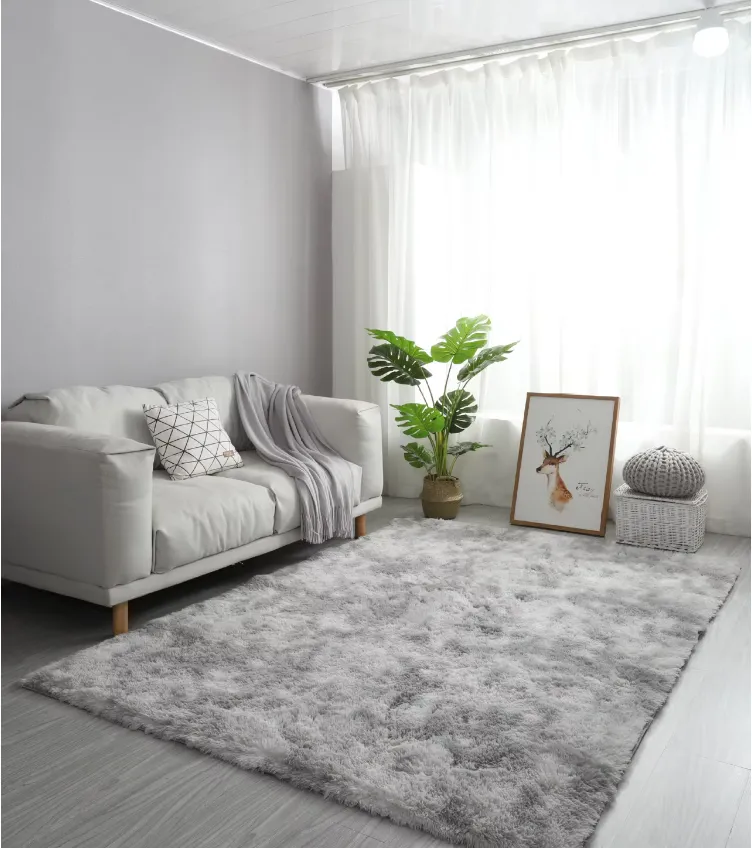
Soft faux sheepskin rugs represent a significant development in the interior textile industry, functioning as a cost-effective and ethically sourced alternative to genuine sheepskin. Positioned within the broader category of decorative floor coverings, these rugs aim to replicate the aesthetic and tactile qualities of natural sheepskin without the associated animal welfare concerns and higher price point. The core performance characteristics revolve around replicating the warmth, softness, and visual appeal of natural sheepskin while maintaining acceptable levels of durability, washability, and resistance to common household allergens. This guide provides an in-depth technical analysis of the materials, manufacturing processes, performance attributes, potential failure modes, and relevant industry standards governing soft faux sheepskin rugs, catering to procurement professionals, quality control engineers, and product developers within the home furnishings sector.
Material Science & Manufacturing
The primary material component of soft faux sheepskin rugs is typically a blend of synthetic fibers, most commonly utilizing polyester, acrylic, or polypropylene. Polyester is favored for its inherent durability, wrinkle resistance, and relatively low cost. Acrylic offers a softer hand feel and better resembles the texture of natural wool, although it is generally less resilient than polyester. Polypropylene provides excellent stain resistance and is often used in high-traffic areas. The fibers are often processed into a high-pile construction to mimic the density and depth of natural sheepskin. Manufacturing typically begins with the extrusion of the polymer pellets into individual filaments. These filaments are then spun into yarns using various techniques – ring spinning, open-end spinning, or texturing processes – to achieve desired thickness, strength, and loft. The yarn is subsequently knitted or woven into a base fabric, commonly a non-woven polypropylene backing for added stability and dimensional control. Crucially, the pile height is achieved through tufting, where the yarn is inserted into the base fabric using needles, creating a dense, plush surface. Following tufting, the rug undergoes a shearing process to evenly trim the pile to a consistent length, followed by dyeing and finishing treatments. Parameter control is paramount throughout the manufacturing process. Fiber denier (fineness) directly impacts softness and durability. Yarn twist influences pile resilience and resistance to shedding. Dye penetration and colorfastness require precise control of dye concentration, temperature, and processing time. Backing material weight and composition affect overall stability and prevent deformation.

Performance & Engineering
The performance of soft faux sheepskin rugs is dictated by several key engineering considerations. Shear force resistance is critical, evaluated through methods like the pile shear test (ASTM D596). This determines the rug’s ability to withstand deformation and maintain its appearance under foot traffic. Tensile strength of the base fabric, assessed via ASTM D4157, dictates overall structural integrity and resistance to tearing. Flammability is a significant safety concern, governed by standards such as California Technical Bulletin 117, which assesses the rug’s resistance to ignition and flame spread. Environmental resistance, specifically moisture absorption and stain resistance, is crucial for longevity. Hydrostatic head testing (ISO 811) determines water resistance, while stain resistance is evaluated using standardized staining agents (e.g., coffee, wine, oil) and subsequent cleaning protocols. The pile density directly impacts thermal insulation properties – a higher density correlates with increased warmth. Compliance with volatile organic compound (VOC) emission standards (e.g., CARB Section 93120.2) is vital to ensure indoor air quality and minimize health risks associated with chemical off-gassing. The rug's construction also influences its ability to withstand repeated compression and rebound, impacting its long-term comfort and appearance. Furthermore, the choice of backing material affects the rug’s slip resistance, an important safety factor, particularly on smooth flooring surfaces. Static electricity buildup can also be a performance issue, mitigated through the use of anti-static fibers or treatments.
Technical Specifications
| Parameter | Polyester | Acrylic | Polypropylene | Typical Range |
|---|---|---|---|---|
| Fiber Denier (dtex) | 1.5 – 3.0 | 1.0 – 2.5 | 2.0 – 4.0 | 1.0 - 4.0 |
| Pile Height (mm) | 20 – 60 | 30 – 80 | 15 – 40 | 20 - 80 |
| Pile Weight (g/m²) | 800 – 1500 | 600 – 1200 | 400 – 800 | 400 - 1500 |
| Tensile Strength (N/5cm) | 150 – 250 | 100 – 180 | 200 – 300 | 100 - 300 |
| Flammability (mm flame spread) | < 200 | < 200 | < 200 | <200 (Compliant with TB117) |
| VOC Emissions (µg/m³) | < 50 | < 50 | < 50 | <50 (CARB Compliant) |
Failure Mode & Maintenance
Soft faux sheepskin rugs are susceptible to several failure modes. Pile shedding is a common occurrence, particularly in lower-quality products, resulting from fiber breakage or inadequate yarn twist. This is exacerbated by high-traffic areas and abrasive cleaning methods. Matting and crushing of the pile can occur due to prolonged compression, reducing the rug's aesthetic appeal and comfort. Delamination of the backing from the pile is a more severe failure, often caused by inadequate adhesive bonding during manufacturing or exposure to excessive moisture. Fading of the dye can occur due to prolonged exposure to sunlight or UV radiation, leading to color loss and uneven appearance. Stain penetration, particularly from oil-based substances, can be challenging to remove and may result in permanent discoloration. Oxidation of the fibers, especially acrylic, can lead to brittleness and reduced resilience over time. For maintenance, regular vacuuming (using a suction-only attachment to avoid pile damage) is crucial. Spot cleaning with a mild detergent and water is recommended for minor stains. Professional cleaning is advised for deep cleaning and stain removal. Avoid excessive exposure to direct sunlight. Rotate the rug periodically to distribute wear evenly. Prevent prolonged exposure to moisture to minimize the risk of delamination and mildew growth. Avoid harsh chemicals and abrasive cleaners, as they can damage the fibers and fade the color. Proper storage in a cool, dry, and well-ventilated area is essential for long-term preservation.
Industry FAQ
Q: What is the primary difference in durability between polyester and acrylic faux sheepskin rugs?
A: Polyester generally exhibits superior abrasion resistance and tensile strength compared to acrylic. While acrylic offers a softer hand feel that more closely mimics natural wool, polyester rugs are typically more resilient and maintain their appearance longer under foot traffic. The specific denier and yarn construction also play a significant role, but all other factors being equal, polyester will outperform acrylic in durability tests.
Q: How does the backing material impact the overall performance of the rug?
A: The backing material is critical for structural integrity and preventing deformation. Polypropylene backing is common due to its cost-effectiveness and resistance to moisture. However, higher-end rugs may utilize jute or felt backings for enhanced stability and cushioning. A heavier backing weight generally indicates greater durability and resistance to curling or shifting.
Q: What VOC emission standards are typically applicable to faux sheepskin rugs?
A: Compliance with California CARB Section 93120.2 is a common requirement, particularly for products sold in California and other regions with stringent air quality regulations. This standard limits the emission of volatile organic compounds (VOCs) to ensure indoor air quality. OEKO-TEX Standard 100 certification also indicates that the rug has been tested for harmful substances.
Q: What are the limitations of faux sheepskin rugs compared to genuine sheepskin in terms of thermal insulation?
A: While high-pile faux sheepskin rugs can provide significant thermal insulation, they generally do not match the natural insulating properties of genuine sheepskin. Natural wool fibers possess inherent crimp and air pockets that trap heat more effectively. However, the difference in thermal performance can be minimized by using thicker pile heights and denser fiber constructions in faux sheepskin rugs.
Q: What are the common causes of pile shedding, and how can it be minimized?
A: Pile shedding is often caused by loose fibers that are not fully secured during manufacturing, or by fiber breakage due to abrasion. Minimizing shedding involves using high-quality yarns with adequate twist, employing robust tufting and shearing processes, and avoiding aggressive vacuuming or cleaning methods. Initial shedding is often more pronounced and will diminish with regular vacuuming.
Conclusion
Soft faux sheepskin rugs represent a viable and increasingly popular alternative to natural sheepskin, offering a balance of aesthetic appeal, affordability, and ethical sourcing. Understanding the underlying material science, manufacturing processes, and performance characteristics is crucial for informed procurement and quality control. The selection of appropriate fiber types, backing materials, and manufacturing parameters directly impacts the rug’s durability, comfort, and resistance to environmental factors.
Future developments in this sector will likely focus on enhancing the performance characteristics of synthetic fibers to more closely mimic the properties of natural wool, improving stain resistance through advanced coating technologies, and utilizing sustainable and recycled materials in the manufacturing process. Continued adherence to relevant industry standards and a commitment to quality control will ensure that soft faux sheepskin rugs continue to meet the evolving needs of the consumer market.