

square faux fur rug Performance Analysis
Introduction
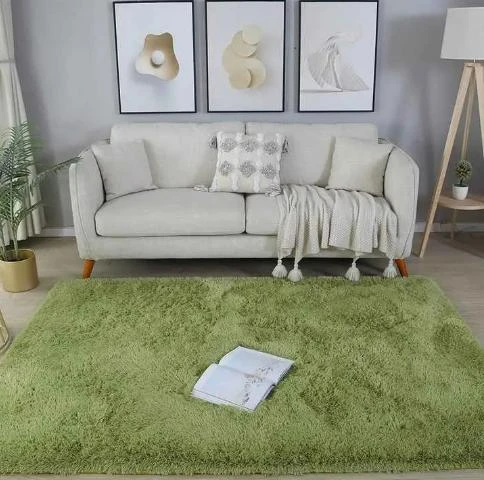
Square faux fur rugs represent a significant segment within the broader decorative textiles market, specifically addressing consumer demand for affordable, aesthetically pleasing, and relatively low-maintenance floor coverings. Unlike natural fur rugs, faux fur utilizes synthetic fibers to mimic the texture and appearance of animal fur, avoiding ethical concerns and reducing material costs. Their construction typically involves a woven or knitted backing fabric onto which the synthetic fibers are securely anchored. From a technical standpoint, understanding the interplay between fiber composition, pile density, backing material, and manufacturing processes is crucial to assessing performance characteristics such as durability, resilience, and ease of cleaning. This guide provides a detailed analysis of square faux fur rugs, covering material science, manufacturing, performance engineering, failure modes, and relevant industry standards.
Material Science & Manufacturing
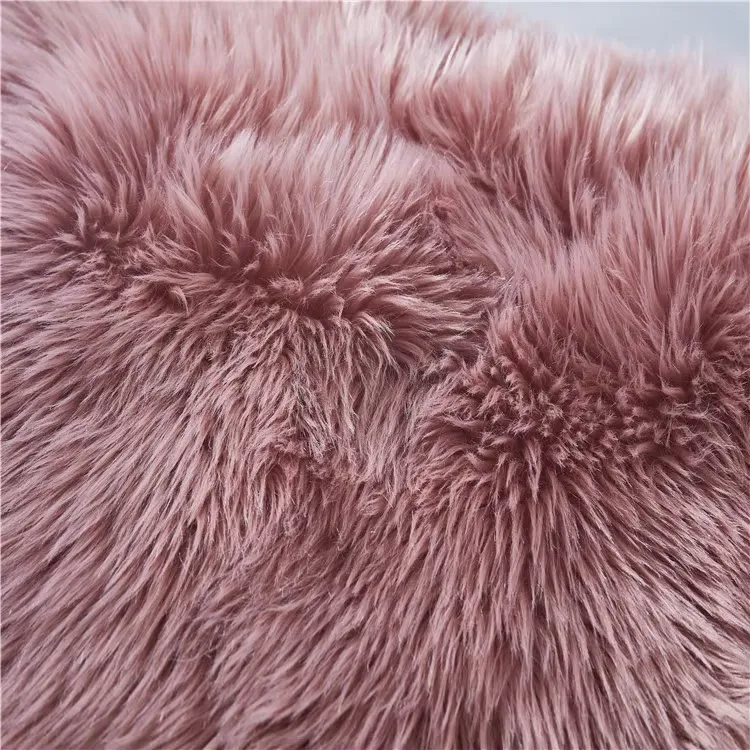
The primary materials used in square faux fur rug production are synthetic fibers, most commonly acrylic, polyester, and polypropylene. Acrylic fibers offer a luxurious, soft feel and excellent bulk, closely mimicking natural fur. However, acrylic exhibits relatively low abrasion resistance and susceptibility to shedding. Polyester provides superior durability and resilience, but often lacks the same degree of softness as acrylic. Polypropylene is the most cost-effective option, offering good stain resistance but limited heat tolerance. The backing material typically consists of jute, cotton canvas, or synthetic non-woven fabrics like polypropylene. Jute is a natural fiber providing structural support but susceptible to mildew in high-humidity environments. Cotton canvas offers enhanced durability and comfort but is prone to shrinkage. Polypropylene backing provides excellent moisture resistance and dimensional stability. Manufacturing processes vary depending on the desired pile height and density. A common method involves tufting, where fibers are inserted into the backing using needles. The tufted surface is then sheared to achieve the desired pile height and density, followed by a latex coating to secure the fibers and enhance durability. Precise control of tufting density (stitches per square inch), fiber weight (grams per square meter), and latex application rate are critical parameters affecting the rug's performance and longevity. Fiber denier (fineness) also plays a role; lower denier fibers create a softer, more delicate texture, while higher denier fibers provide increased durability.
Performance & Engineering
Performance characteristics of square faux fur rugs are governed by several engineering principles. Pile density directly correlates to the rug's compressive strength and resilience – higher density equates to better recovery from foot traffic. Friction coefficients between the faux fur fibers and flooring surfaces determine slip resistance; lower coefficients increase the risk of sliding, particularly on smooth floors. Environmental resistance is a critical consideration. Prolonged exposure to ultraviolet (UV) radiation can cause color fading and fiber degradation, particularly in acrylic fibers. Moisture resistance is also paramount; while many synthetic fibers are inherently hydrophobic, the backing material can absorb moisture, leading to mildew growth and structural weakening. Flammability is addressed through the application of flame retardant treatments, although these treatments can diminish the rug’s softness. Compliance requirements, such as those related to volatile organic compound (VOC) emissions, necessitate the use of low-VOC adhesives and coatings during manufacturing. The physical forces acting upon the rug—compression, shear, and tension—must be considered during design to optimize longevity. Abrasion testing (using methods like the Taber Abraser) determines the rug’s resistance to wear and tear, while tensile strength testing assesses the backing material's ability to withstand pulling forces. Colorfastness is evaluated using standardized light and wash fastness tests to ensure color stability over time.
Technical Specifications
| Parameter | Acrylic Fiber | Polyester Fiber | Polypropylene Fiber | Jute Backing |
|---|---|---|---|---|
| Fiber Denier (dtex) | 50-150 | 75-300 | 220-440 | N/A |
| Pile Height (mm) | 20-60 | 20-60 | 20-40 | N/A |
| Pile Density (stitches/in²) | 80-150 | 100-200 | 60-120 | N/A |
| Weight (g/m²) | 800-1500 | 1000-2000 | 600-1200 | N/A |
| Tensile Strength (N/cm) | 30-60 | 60-100 | 40-80 | 80-120 |
| Water Absorption (%) | 10-15 | 0.5-1.0 | 0.1-0.5 | 15-20 |
Failure Mode & Maintenance
Square faux fur rugs are susceptible to several failure modes. Fiber shedding is a common issue, particularly with acrylic rugs, resulting from weak fiber anchorage. Pile compression and matting occur under sustained foot traffic, reducing resilience and aesthetic appeal. Delamination, the separation of the pile from the backing, is often caused by inadequate latex adhesion or prolonged exposure to moisture. Fiber breakage, exacerbated by abrasion and UV exposure, leads to a loss of pile density and a diminished luxurious feel. Color fading results from UV degradation of the dye molecules within the fibers. Mildew growth on the backing, particularly with jute substrates, can cause structural damage and unpleasant odors. Maintenance is crucial for extending the rug’s lifespan. Regular vacuuming removes loose fibers and debris. Spot cleaning with mild detergent and water addresses spills and stains. Avoid harsh chemicals or abrasive cleaners, as these can damage the fibers. Professional cleaning is recommended annually to deep clean the pile and restore resilience. Rotate the rug periodically to distribute wear evenly. Direct sunlight exposure should be minimized to prevent color fading and fiber degradation. For rugs with jute backing, ensure adequate ventilation to prevent moisture accumulation and mildew growth.
Industry FAQ
Q: What is the primary difference in durability between acrylic and polyester faux fur rugs?
A: Polyester faux fur rugs generally exhibit superior durability compared to acrylic counterparts. Polyester fibers possess higher tensile strength and abrasion resistance, making them less prone to shedding and breakage under normal use. While acrylic offers a softer texture, it compromises on long-term wear performance, especially in high-traffic areas.
Q: How does the backing material affect the rug’s performance in humid environments?
A: The backing material significantly impacts performance in humid environments. Jute, a natural fiber, is highly susceptible to moisture absorption and mildew growth, which can compromise structural integrity. Synthetic backings, such as polypropylene, offer excellent moisture resistance and dimensional stability, making them a preferred choice for areas with high humidity.
Q: What is the significance of pile density in determining a rug's resilience?
A: Pile density, measured in stitches per square inch, directly correlates with a rug's resilience. A higher pile density indicates a more tightly packed fiber structure, providing greater compressive strength and recovery from foot traffic. Rugs with lower pile densities tend to flatten more easily and lose their plush appearance over time.
Q: Are there any specific standards for flammability testing of faux fur rugs?
A: Yes, flammability is addressed through standards like ASTM E84 (Surface Burning Characteristics) and California Technical Bulletin 117 (Flammability of seating). Rugs are typically treated with flame retardants to meet these requirements, although the effectiveness of these treatments can vary. Documentation of compliance with relevant flammability standards is crucial for commercial applications.
Q: What is the typical lifespan of a well-maintained square faux fur rug?
A: The lifespan of a square faux fur rug varies depending on material quality, usage intensity, and maintenance practices. A well-maintained rug using polyester fibers with a synthetic backing can realistically last 5-10 years. Acrylic rugs may have a shorter lifespan, typically 3-7 years, due to their lower durability. Regular cleaning and proper care can significantly extend the rug’s longevity.
Conclusion
Square faux fur rugs offer a compelling alternative to natural fur, combining aesthetic appeal with affordability and ethical considerations. The performance characteristics of these rugs are fundamentally governed by the interplay between fiber composition, manufacturing processes, and backing materials. Understanding these factors is essential for selecting a rug that meets specific performance requirements, such as durability, resilience, and environmental resistance. Attention to maintenance practices, including regular cleaning and protection from UV exposure, is crucial for maximizing the rug’s lifespan.
Future developments in faux fur rug technology are likely to focus on improving fiber performance, enhancing sustainability through the use of recycled materials, and developing more effective flame retardant treatments that minimize environmental impact. Innovations in manufacturing techniques, such as three-dimensional tufting, may also lead to rugs with enhanced texture and aesthetic qualities. Ultimately, the continued evolution of this product category will be driven by consumer demand for high-quality, stylish, and ethically sourced home furnishings.