

supersoft double pelt faux fur rug Performance Analysis

Introduction
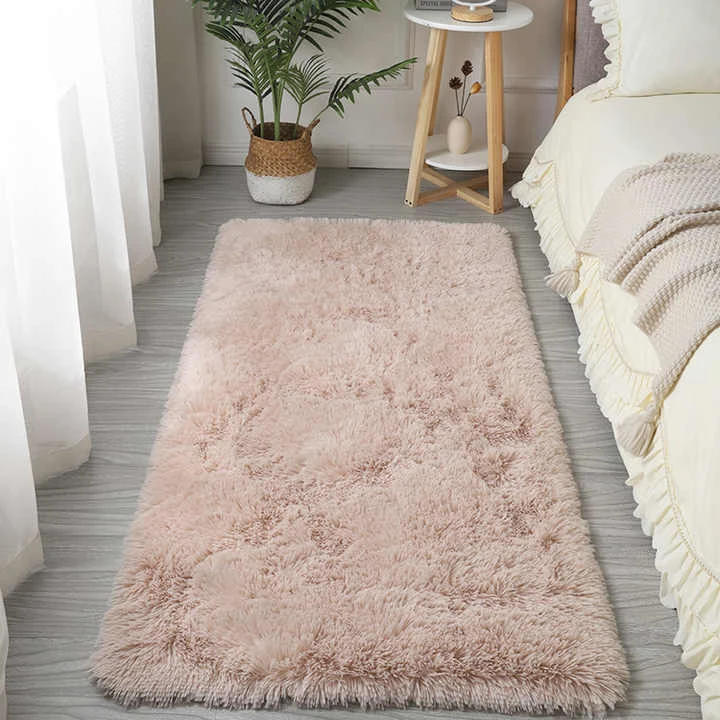
Supersoft double pelt faux fur rugs represent a significant development in interior textile engineering, offering a cost-effective and ethically sourced alternative to genuine animal pelts. Positioned within the broader flooring and home décor industry, these rugs function primarily as comfort and aesthetic enhancements. Core performance characteristics revolve around tactile sensation (softness, pile height), thermal insulation, durability under foot traffic, and visual appeal. The manufacturing process has evolved from basic acrylic pile fabrics to sophisticated multi-layered constructions employing advanced fiber technology to mimic the properties of natural fur. A key challenge within this sector is balancing luxurious aesthetics with robust performance and adherence to increasingly stringent chemical safety and flammability regulations. Understanding the material science and manufacturing details is crucial for predicting longevity, maintenance requirements, and overall value proposition.
Material Science & Manufacturing
The core material of supersoft double pelt faux fur rugs is typically a blend of acrylic, polyester, and occasionally polypropylene fibers. Acrylic provides the bulk and inherent softness, mimicking the feel of animal fur. Polyester enhances durability and resilience, resisting crushing and matting. Polypropylene, when utilized, contributes to stain resistance and cost reduction. The ‘double pelt’ construction refers to a layering technique. The base layer usually consists of a woven or non-woven polypropylene fabric providing structural integrity. Above this lies a dense pile layer created through tufting or needle-punching techniques. Fiber denier (thickness) significantly impacts softness; lower denier values yield a finer, softer pile. Manufacturing involves several critical parameters. Tufting density (stitches per inch) affects pile density and durability. Pile height determines the perceived luxuriousness. The dyeing process typically employs solution dyeing, where pigment is added to the fiber melt before extrusion, resulting in superior colorfastness compared to post-fiber dyeing. Adhesive systems used to bond the pile to the backing must exhibit high shear strength and resistance to temperature fluctuations. Quality control focuses on fiber composition verification, pile density uniformity, color consistency, and adhesion bond strength. Failure to control these parameters leads to shedding, matting, and premature wear.
Performance & Engineering
The performance of a supersoft double pelt faux fur rug is dictated by several engineering factors. Compression set, the degree of permanent deformation after sustained compression (e.g., furniture weight), is a critical consideration. Lower compression set values indicate better resilience and longer pile life. Coefficient of friction (COF) determines the ease of movement on the rug surface; a balanced COF is desirable for safety. Flammability is a major concern, and rugs must meet stringent standards (see Standards & Regulations section). Testing involves assessing flame spread, smoke development, and smoldering resistance. The backing material’s impact resistance influences its ability to withstand impact forces without delamination. Environmental resistance includes evaluating colorfastness to light exposure (UV degradation), resistance to cleaning agents (chemical compatibility), and moisture resistance (mold and mildew growth). Force analysis under foot traffic involves assessing the load distribution and stress concentrations within the pile and backing. Finite Element Analysis (FEA) can be used to model these stresses and optimize rug construction for enhanced durability. Furthermore, the rug's thermal resistance (R-value) contributes to insulation and energy efficiency within a room.
Technical Specifications
| Parameter | Units | Typical Value | Test Method |
|---|---|---|---|
| Pile Height | mm | 30-60 | ASTM D3884 |
| Pile Density | oz/yd² | 800-1500 | ASTM D638 |
| Fiber Composition | % | Acrylic: 70-80, Polyester: 20-30 | FTIR Spectroscopy |
| Backing Material | Type | Woven Polypropylene | Visual Inspection |
| Flammability (Flame Spread) | inches | < 6.0 | ASTM E84 |
| Compression Set (24hr @ 50% compression) | % | < 10 | ASTM D365 |
Failure Mode & Maintenance
Supersoft double pelt faux fur rugs are susceptible to several failure modes. Shedding is a common issue, particularly during the initial use phase, resulting from loose fibers detaching from the pile. Matting occurs due to fiber deformation and compaction under foot traffic, reducing pile height and aesthetic appeal. Fiber breakage, induced by repeated bending and abrasion, leads to thinning of the pile. Delamination, the separation of the pile from the backing, is a critical failure, often caused by adhesive failure or mechanical stress. UV degradation can cause color fading and fiber embrittlement. Stain absorption, particularly from oil-based substances, can permanently discolor the fibers. Maintenance recommendations include regular vacuuming (using a brush attachment to avoid damaging the fibers), spot cleaning with mild detergent and water, and professional cleaning every 12-18 months. Avoid prolonged exposure to direct sunlight. To mitigate delamination, ensure the rug is placed on a non-slip pad to prevent movement and stress on the adhesive bond. Preventative measures against UV degradation include rotating the rug periodically and using window coverings to reduce sunlight exposure.
Industry FAQ
Q: What is the primary difference between a high-quality and a low-quality faux fur rug in terms of material composition?
A: The key difference lies in the acrylic fiber quality and the inclusion of stabilizing polymers. High-quality rugs utilize premium acrylic fibers with higher crimp and strength, often incorporating anti-static treatments and UV stabilizers. Lower-quality rugs use cheaper acrylic with less crimp, resulting in a flatter pile and greater susceptibility to matting and shedding. The proportion of polyester also plays a role; a balanced blend enhances durability, while excessive acrylic can lead to rapid degradation.
Q: How does the backing material influence the rug’s overall lifespan and safety?
A: The backing provides structural support and contributes to safety. Woven polypropylene backings offer superior durability and resistance to stretching compared to non-woven alternatives. A good backing should also incorporate a non-slip coating to prevent movement and reduce the risk of falls. The backing's ability to resist delamination is crucial for long-term performance. Finally, the backing material must be compatible with the adhesive used to bond the pile, preventing premature separation.
Q: What flammability standards are most relevant for faux fur rugs used in residential settings?
A: In the US, ASTM E84 is the primary standard for evaluating surface burning characteristics, focusing on flame spread and smoke development. California Proposition 65 also dictates limits on certain chemicals used in rug manufacturing. Internationally, EN 13501-1 is a key standard for European markets, assessing fire resistance based on various criteria. Compliance with these standards is essential for consumer safety and legal requirements.
Q: How can I best prevent matting in high-traffic areas of the rug?
A: Regular vacuuming is crucial, but using the correct attachment is essential. A brush attachment gently lifts the pile, preventing compaction. Rotating the rug periodically distributes wear evenly. Using a rug pad provides cushioning and prevents the rug from shifting, reducing friction and matting. Avoiding heavy furniture placement directly on the pile also helps preserve its loft. Promptly addressing spills minimizes the potential for fiber damage and matting.
Q: Is it possible to repair a faux fur rug that has experienced significant shedding or delamination?
A: Minor shedding can often be addressed with careful vacuuming. However, significant shedding or delamination is difficult to repair effectively. Attempting to re-glue a delaminated section is rarely successful due to the adhesive's limitations and the potential for unevenness. Professional rug repair services may offer temporary solutions, but a complete restoration is often impractical. Prevention through proper maintenance and rug pad usage is the most effective approach.
Conclusion
Supersoft double pelt faux fur rugs represent a sophisticated intersection of textile engineering and consumer demand for ethical and aesthetically pleasing home décor. The rug’s performance is intimately linked to material selection, manufacturing processes, and adherence to stringent quality control measures. Understanding the nuances of fiber composition, pile construction, and backing materials is essential for predicting longevity, maintaining aesthetic appeal, and ensuring compliance with safety regulations.
Future developments in this field will likely focus on utilizing recycled and bio-based fibers to enhance sustainability, improving flame retardancy through innovative chemical treatments, and implementing advanced tufting technologies to create even more realistic and luxurious pile textures. The ongoing drive for improved performance, coupled with a growing emphasis on environmental responsibility, will continue to shape the evolution of the supersoft faux fur rug industry.