


teal faux sheepskin rug Performance Analysis

Introduction
Teal faux sheepskin rugs represent a significant segment within the broader synthetic floor covering market, providing an aesthetic and tactile alternative to natural sheepskin. Technically positioned between high-pile carpets and area rugs, these products primarily serve the residential and hospitality sectors. Their core performance characteristics – softness, colorfastness, ease of maintenance, and cost-effectiveness – dictate their utility. Unlike natural sheepskin, which requires extensive processing and carries ethical concerns regarding animal welfare, faux sheepskin utilizes synthetic fibers, predominantly polyester and acrylic, manufactured through extrusion and textile weaving processes. The industry’s primary challenges revolve around improving durability, minimizing microplastic shedding, and achieving a realistic tactile experience that closely mimics natural fibers. Understanding the interplay between fiber composition, manufacturing techniques, and performance metrics is critical for informed procurement and application.
Material Science & Manufacturing
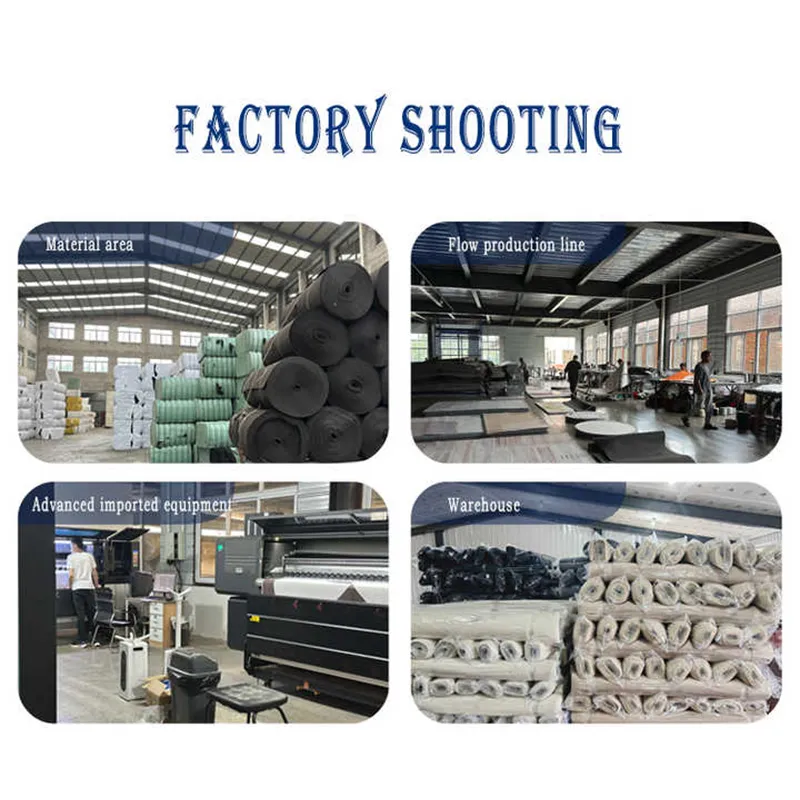
The foundation of teal faux sheepskin rugs lies in the properties of their constituent polymers. Polyester, typically polyethylene terephthalate (PET), is favored for its inherent strength, resilience, and resistance to abrasion. Acrylic, a polyacrylonitrile-based fiber, offers a softer hand feel and improved wool-like texture. The manufacturing process begins with polymer synthesis. PET is produced via esterification of ethylene glycol and terephthalic acid, while acrylic fibers are derived from acrylonitrile polymerization. These polymers are then melt-spun to create continuous filaments. The filaments undergo texturizing – a process involving crimping and looping – to enhance bulk and simulate the natural curl of sheep's wool. Dyeing occurs at the fiber stage, using disperse dyes for polyester and basic dyes for acrylic, ensuring colorfastness. The dyed fibers are then woven or tufted onto a backing material, commonly polypropylene or jute, providing structural integrity. A latex adhesive secures the fibers to the backing, and a final finishing process, including shearing and brushing, creates the desired pile height and density. Key parameters controlled during manufacturing include denier (fiber thickness), pile height, stitch density, and dye concentration. Variations in these parameters directly influence the rug’s texture, durability, and aesthetic appeal. The backing material's weight and composition critically impact the rug's dimensional stability and resistance to delamination. Ensuring consistent fiber alignment and proper latex curing are paramount to preventing fiber shedding and maintaining structural integrity.
Performance & Engineering
The performance of a teal faux sheepskin rug is assessed based on several engineering criteria. Tensile strength, measured using ASTM D4266, dictates the rug’s resistance to tearing and deformation under load. Pile compression recovery, evaluated per ASTM D2848, quantifies the rug’s ability to rebound after being subjected to sustained pressure – a critical factor for maintaining aesthetic appearance and preventing matting. Colorfastness to light, assessed using ISO 105-B02, determines the rug's resistance to fading upon exposure to UV radiation. Abrasion resistance, per ISO 105-X12, measures the rug's ability to withstand surface wear. Flammability is a crucial safety concern, addressed through testing according to standards like NFPA 701 (Standard Methods of Fire Tests for Flame Propagation of Textiles and Films). Microplastic shedding, an emerging environmental concern, is currently being investigated, with preliminary assessments focusing on fiber release during washing and abrasion. From an ergonomic standpoint, the rug’s pile height and density influence its cushioning properties and impact on foot comfort. Moisture absorption, though generally low for synthetic fibers, is still a consideration, particularly in humid environments. The rug’s dimensional stability is maintained by the backing material and the adhesive bond, requiring resistance to shrinkage and warping. Failure analysis often reveals that delamination of the backing is a common mode of failure, often caused by improper adhesive application or degradation of the backing material over time. These engineering considerations directly impact the rug's lifespan, aesthetic appeal, and overall user experience.
Technical Specifications
| Parameter | Unit | Polyester Faux Sheepskin | Acrylic Faux Sheepskin |
|---|---|---|---|
| Pile Height | mm | 20-30 | 25-35 |
| Pile Weight | g/m² | 500-800 | 600-900 |
| Fiber Denier | dtex | 75-150 | 100-200 |
| Tensile Strength (Warp/Weft) | N/5cm | 20/15 | 15/12 |
| Colorfastness to Light | Rating (1-8) | 6-7 | 5-6 |
| Abrasion Resistance (Martindale) | Cycles | 10,000-20,000 | 8,000-15,000 |
Failure Mode & Maintenance
Teal faux sheepskin rugs, despite their durability, are susceptible to several failure modes. Fiber shedding, particularly during initial use and after repeated washing, is a common occurrence, attributed to loose fibers and inadequate fiber anchoring. Pile crush, resulting in a flattened appearance, arises from sustained compression and lack of resilience. Delamination of the backing from the pile is a significant structural failure, often caused by moisture exposure, adhesive degradation, or mechanical stress. Color fading, especially in direct sunlight, is a consequence of UV radiation degrading the dye molecules. Stain accumulation, while less problematic than with natural fibers, can occur due to spills and improper cleaning. Oxidation of the polymer fibers can lead to brittleness and discoloration over extended periods. Maintenance is crucial to mitigating these failures. Regular vacuuming removes loose debris and minimizes fiber shedding. Spot cleaning with mild detergent and water addresses spills promptly. Avoid harsh chemicals and abrasive cleaners, which can damage the fibers and backing. Professional cleaning is recommended periodically to deep clean and restore pile loft. To prevent delamination, avoid excessive moisture exposure and ensure proper drying. Rotating the rug periodically distributes wear evenly and minimizes localized compression. Storing the rug in a cool, dry place when not in use protects it from UV damage and oxidation. Addressing these potential failures through proactive maintenance extends the rug’s lifespan and preserves its aesthetic qualities.
Industry FAQ
Q: What is the primary difference in durability between polyester and acrylic faux sheepskin rugs?
A: Polyester generally exhibits superior abrasion resistance and tensile strength compared to acrylic. This translates to a longer lifespan and greater resistance to wear and tear, especially in high-traffic areas. Acrylic, however, offers a softer hand feel and a more convincing wool-like texture, which may be prioritized for comfort-focused applications.
Q: How can I minimize microplastic shedding from my faux sheepskin rug?
A: Microplastic shedding is an inherent characteristic of synthetic textiles. Minimizing it involves gentle washing in a laundry bag, using a cold water cycle, and avoiding high-speed spin cycles. Selecting rugs with tightly woven fibers and a robust backing can also help reduce shedding. Regular vacuuming also removes loose fibers before they can contribute to microplastic pollution.
Q: What is the recommended cleaning procedure for a teal faux sheepskin rug with a significant spill?
A: Immediately blot the spill with a clean, absorbent cloth. Avoid rubbing, as this can spread the stain. Prepare a solution of mild detergent and lukewarm water. Gently apply the solution to the stain and blot again. Rinse with clean water and blot dry. Allow the rug to air dry completely, avoiding direct sunlight or heat. For stubborn stains, consult a professional rug cleaner.
Q: What are the common causes of delamination in faux sheepskin rugs and how can they be prevented?
A: Delamination is often caused by prolonged exposure to moisture, degradation of the adhesive used to bond the pile to the backing, or excessive mechanical stress. Prevention involves avoiding excessive moisture, ensuring proper drying after cleaning, and selecting rugs with high-quality adhesives and robust backing materials. Avoiding placing heavy furniture directly on the rug for extended periods can also help.
Q: How does the pile height impact the performance and comfort of a faux sheepskin rug?
A: Higher pile heights generally provide greater cushioning and a plusher feel, enhancing comfort underfoot. However, higher piles are more susceptible to matting and may require more frequent vacuuming. Lower pile heights offer greater durability and easier maintenance but provide less cushioning. The optimal pile height depends on the intended application and desired level of comfort.
Conclusion
Teal faux sheepskin rugs represent a versatile and cost-effective alternative to natural sheepskin, offering a compelling combination of aesthetic appeal, softness, and ease of maintenance. Their performance is fundamentally governed by the properties of the synthetic fibers used – polyester and acrylic – and the quality of the manufacturing processes employed. Understanding parameters like tensile strength, abrasion resistance, and colorfastness is crucial for evaluating product suitability.
Addressing emerging concerns related to microplastic shedding and ensuring long-term durability through proactive maintenance are key to maximizing the lifecycle of these rugs. Continued innovation in fiber technology and manufacturing techniques will likely focus on enhancing both performance and environmental sustainability, further solidifying the position of faux sheepskin rugs within the broader floor covering market.