

tipped luxe fur rug Performance Analysis
Introduction
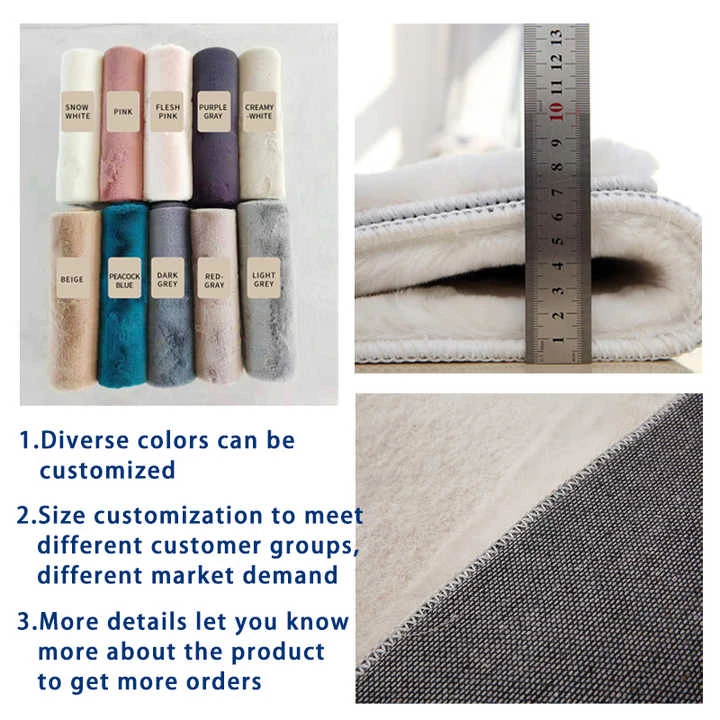
Tipped luxe fur rugs represent a specialized segment within the broader decorative floor covering industry. These rugs distinguish themselves through a construction technique involving the application of densely-packed, high-pile synthetic fibers—typically polyester or acrylic—to a robust backing material, often jute or polypropylene. The "tipped" designation refers to a process where fiber ends are selectively darkened or colored, creating a nuanced, visually textured surface that mimics natural fur while offering enhanced durability and ease of maintenance. Positioned between standard shag rugs and luxury natural fiber options, tipped luxe fur rugs cater to a market segment prioritizing comfort, aesthetic appeal, and cost-effectiveness. Core performance characteristics include pile height, fiber denier, backing tensile strength, colorfastness, and resistance to abrasion and crushing. Understanding these factors is critical for manufacturers, retailers, and consumers seeking to optimize product selection and lifecycle management. The industry faces increasing scrutiny regarding the environmental impact of synthetic fiber production and disposal, driving demand for recycled content and biodegradable backing alternatives.
Material Science & Manufacturing
The foundation of tipped luxe fur rugs lies in the properties of their constituent materials. Polyester and acrylic fibers, the most common choices, offer excellent resilience, dyeability, and resistance to mildew. Polyester, a thermoplastic polymer derived from petroleum, boasts superior strength and abrasion resistance. Acrylic, also a synthetic polymer, provides a softer hand feel and better wool-like appearance. Fiber denier—a unit of measure for linear mass density—significantly impacts pile softness and density, with lower denier values yielding a more luxurious texture. The backing materials, typically jute or polypropylene, contribute to structural integrity and dimensional stability. Jute, a natural fiber, is biodegradable but susceptible to moisture damage. Polypropylene, a thermoplastic polyolefin, provides superior water resistance and durability. The manufacturing process begins with fiber extrusion and texturization to create the desired pile characteristics. These fibers are then tufted or woven into the backing material, secured with a latex adhesive. The “tipping” process involves strategically applying a contrasting dye to the fiber ends, often using a specialized application nozzle or a stippling technique. Parameter control during tufting—specifically stitch rate, yarn tension, and loop pile height—is crucial for achieving consistent pile density and preventing fiber shedding. Post-tufting processes include shearing to achieve uniform pile height, backing coating for enhanced dimensional stability, and quality control inspections for defects.
Performance & Engineering
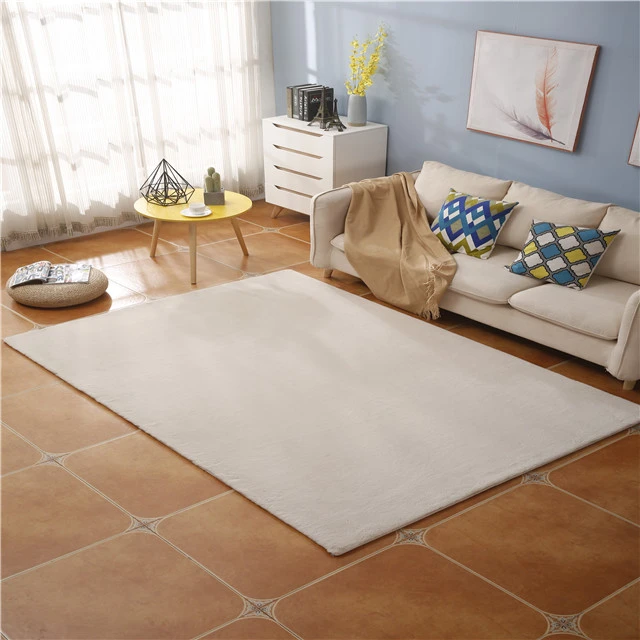
The performance of tipped luxe fur rugs is dictated by a complex interplay of material properties and structural design. Critical engineering considerations include load-bearing capacity, pile compression resilience, and resistance to wear and tear. Force analysis reveals that the backing material primarily withstands tensile and shear forces, while the fibers contribute to compressive strength and distribute load. Pile height and density directly influence the rug’s ability to withstand foot traffic and maintain its aesthetic appearance. Environmental resistance is paramount; exposure to prolonged sunlight can cause fiber degradation and color fading. Moisture absorption can lead to mildew growth and structural weakening of the backing. Consequently, UV stabilizers and water-repellent treatments are often applied. Compliance requirements vary by region but typically include flammability standards (e.g., California Proposition 65), formaldehyde emission limits (e.g., CARB Phase 2), and heavy metal restrictions (e.g., REACH). Functional implementation necessitates careful consideration of rug placement and underlayment selection. A quality rug pad can enhance cushioning, prevent slippage, and extend the rug’s lifespan. Abrasion resistance is typically assessed using the Wyzenbeek test, while pile compression resilience is evaluated through repeated impact testing. Static charge buildup, a common issue with synthetic fibers, can be mitigated by incorporating anti-static agents into the fiber formulation or backing coating.
Technical Specifications
| Parameter | Unit | Standard Grade | Premium Grade |
|---|---|---|---|
| Pile Height | mm | 38-50 | 50-65 |
| Fiber Denier | dtex | 75-100 | 100-150 |
| Backing Material | - | Polypropylene | Jute/Polypropylene Blend |
| Tensile Strength (Backing) | N/mm² | 15-20 | 20-25 |
| Colorfastness to Light | Grade | 4-5 | 5-6 |
| Abrasion Resistance (Wyzenbeek) | Cycles | 500-800 | 800-1200 |
Failure Mode & Maintenance
Tipped luxe fur rugs, while durable, are susceptible to several failure modes. Pile crushing, resulting from prolonged compression, is a common issue, particularly in high-traffic areas. Fiber shedding, exacerbated by abrasive cleaning methods, can lead to a loss of pile density and aesthetic appeal. Delamination, the separation of the pile from the backing, typically occurs due to adhesive failure or moisture damage. Oxidation of synthetic fibers, triggered by prolonged UV exposure, can cause color fading and brittleness. Fatigue cracking in the backing material can occur under repeated stress. Maintenance plays a crucial role in mitigating these failures. Regular vacuuming with a suction-only attachment is recommended to remove loose debris without damaging the fibers. Spot cleaning with a mild detergent and water is advised for spills. Professional cleaning, employing low-moisture methods, should be undertaken periodically to restore pile loft and remove embedded dirt. Avoid harsh chemicals, abrasive cleaners, and excessive moisture, as these can accelerate degradation. To prevent pile crushing, rotate the rug periodically and use rug pads to distribute weight evenly. Protecting the rug from direct sunlight can minimize UV-induced degradation. Promptly address any signs of delamination or backing damage to prevent further deterioration.
Industry FAQ
Q: What is the difference between polyester and acrylic fibers in tipped luxe fur rugs, and how does it affect performance?
A: Polyester generally offers superior abrasion resistance and strength, making it ideal for high-traffic areas. Acrylic, while softer to the touch, is less durable and more prone to matting. Polyester also holds dye more effectively, resulting in richer, more vibrant colors. Acrylic can exhibit better resistance to static buildup, but this difference is often mitigated by anti-static treatments applied to polyester fibers.
Q: How does the backing material impact the longevity and stability of the rug?
A: The backing provides structural support and prevents the rug from distorting. Polypropylene backings offer excellent water resistance and durability but are less environmentally friendly. Jute backings are biodegradable but susceptible to moisture damage and may require additional treatments for water repellency. A high-quality backing with adequate tensile strength is critical for preventing delamination and maintaining dimensional stability.
Q: What are the key considerations for selecting a rug pad?
A: The rug pad should be appropriately sized for the rug and provide adequate cushioning and support. Material is important; felt pads offer good cushioning but may compress over time. Rubber pads provide superior grip and prevent slippage. The pad’s density should match the pile height and density of the rug to distribute weight evenly and prevent crushing.
Q: How can I prevent color fading caused by sunlight exposure?
A: Minimizing direct sunlight exposure is the most effective preventative measure. Use curtains, blinds, or window film to filter UV radiation. Look for rugs treated with UV stabilizers, which help protect the fibers from degradation. Rotating the rug periodically can also help distribute sunlight exposure more evenly.
Q: What cleaning methods are safe for tipped luxe fur rugs, and what should be avoided?
A: Regular vacuuming with a suction-only attachment is essential. Spot clean spills immediately with a mild detergent and water. Avoid harsh chemicals, abrasive cleaners, and steam cleaning, as these can damage the fibers. Professional cleaning, using low-moisture methods, is recommended for deep cleaning. Do not attempt to dry the rug in direct sunlight or with excessive heat.
Conclusion
Tipped luxe fur rugs offer a compelling combination of comfort, aesthetic versatility, and relative affordability. Their performance characteristics are intrinsically linked to the properties of their constituent materials – the synthetic fibers providing the plush pile and the backing contributing to structural integrity. Understanding the nuances of fiber denier, backing material selection, and manufacturing processes is crucial for optimizing rug performance and longevity. Addressing the potential for failure modes like pile crushing, delamination, and UV-induced degradation through proper maintenance and preventative measures will ensure sustained aesthetic appeal and functional utility.
Future advancements in this sector will likely focus on sustainable material sourcing and production techniques. The integration of recycled polyester fibers and biodegradable backing materials will align with growing consumer demand for environmentally responsible products. Further research into fiber treatments that enhance durability, stain resistance, and UV protection will further improve the long-term performance of tipped luxe fur rugs, solidifying their position within the competitive floor covering market.