


washable white fur rug Performance Analysis
Introduction
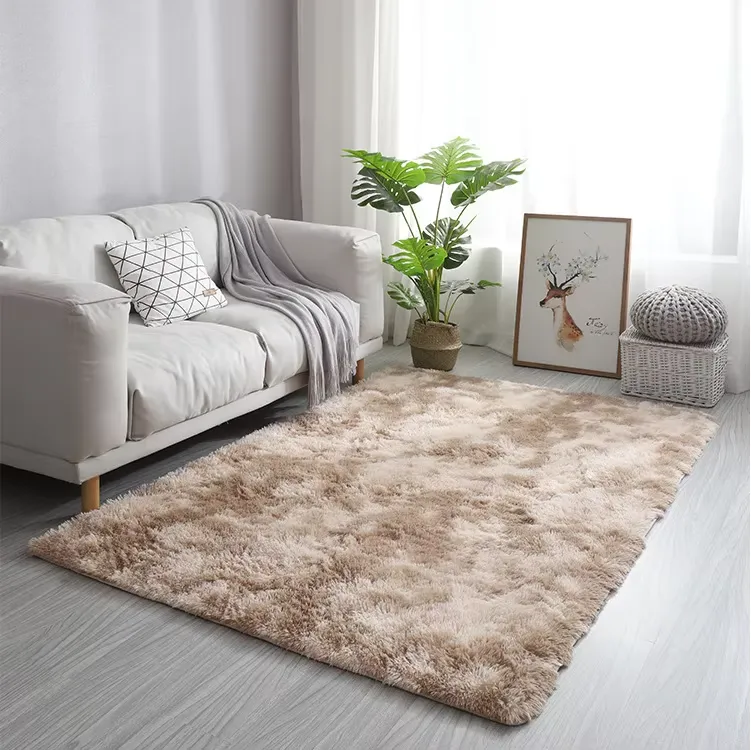
Washable white fur rugs represent a specific segment within the broader decorative textile market, positioned between luxury floor coverings and practical household cleaning solutions. Technically, they consist of a pile surface – simulating animal fur – affixed to a backing material, engineered for both aesthetic appeal and machine washability. This distinguishes them significantly from traditional, non-washable sheepskin or acrylic fur rugs, addressing a key consumer pain point: maintenance. Their construction typically involves synthetic fibers bonded to a durable, often latex or thermoplastic elastomer (TPE) backing. Core performance characteristics are assessed by pile height, fiber density, shrinkage post-wash, colorfastness, and backing integrity. The demand stems from a desire for comfort and aesthetics combined with the convenience of easy cleaning, particularly in households with children or pets. The industrial chain begins with polymer production (polypropylene, polyester, acrylic), fiber extrusion, non-woven fabric formation, dyeing and finishing, backing application, and culminates in retail distribution. This guide provides an in-depth technical overview of these rugs, covering material science, manufacturing processes, performance characteristics, failure modes, and relevant industry standards.
Material Science & Manufacturing
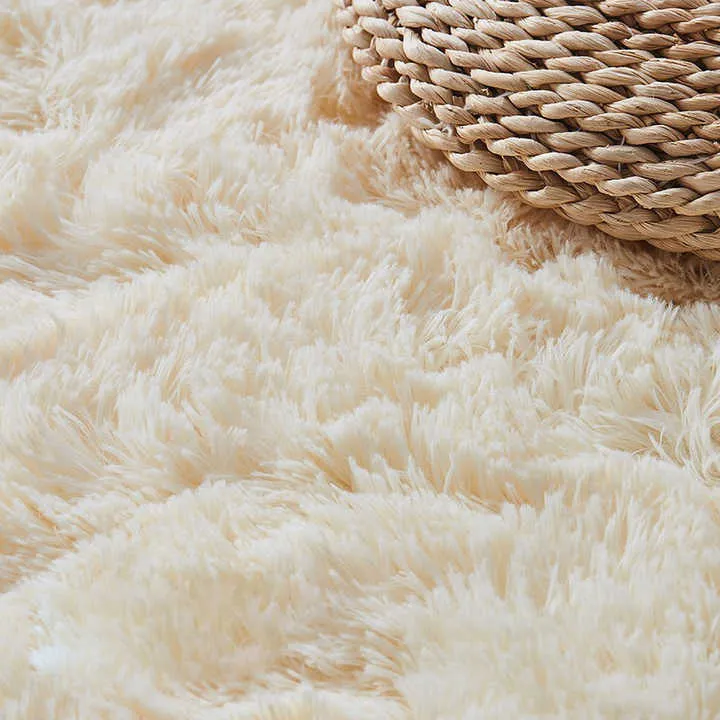
The primary material component of washable white fur rugs is typically polypropylene (PP) or polyester fiber, chosen for their cost-effectiveness, softness, and ability to mimic the texture of animal fur. Polypropylene, specifically, exhibits excellent stain resistance and moisture resistance, crucial for a washable product. The manufacturing process begins with polymer production, where propylene monomers are polymerized into long chains. These chains are then extruded into fibers using a melt spinning process, carefully controlling the diameter and length of the filaments. Fiber denier (weight in grams per 9000 meters) is a critical parameter, impacting softness and bulk. Following extrusion, the fibers undergo crimping – imparting a wave-like structure to enhance bulkiness and loft. The crimping process relies on mechanical deformation or chemical treatment. These fibers are then processed using a needle-punching or thermal bonding technique to create a non-woven fabric structure. Needle punching interlocks the fibers mechanically, while thermal bonding utilizes heat to fuse the fibers at intersecting points. The backing material is typically a latex or TPE compound, applied through a coating process. The quality of the backing dictates the rug’s dimensional stability and washability. Latex offers good adhesion and flexibility but can degrade over time. TPE provides superior durability and resistance to cracking. Dyeing is usually performed before fiber processing using solution dyeing, resulting in superior colorfastness. Post-dyeing, a finishing process involving brushing and shearing adjusts the pile height and density to achieve the desired aesthetic. Key parameter control involves maintaining consistent fiber denier, precise temperature control during thermal bonding, and uniform coating thickness for the backing material. Any deviation can lead to uneven pile, reduced washability, or premature backing failure.
Performance & Engineering
The performance of washable white fur rugs is dictated by several engineering principles. The primary load-bearing component is the fiber structure, which undergoes tensile stress during use. Fiber tensile strength, measured in MPa, determines the rug’s resistance to tearing and abrasion. The backing material provides support and prevents deformation. The rug’s resistance to shrinkage during washing is critical, governed by the thermal expansion coefficients of the fiber and backing materials. Differential shrinkage can lead to buckling or distortion. Colorfastness, assessed using the Gray Scale rating system (ISO 105), measures the rug’s resistance to fading upon exposure to light, washing, and rubbing. The pile height and density impact thermal insulation and sound absorption properties. Engineering considerations include the backing's adhesion strength, which must withstand repeated washing cycles. This adhesion is tested using peel strength measurements. Compliance requirements relate to flammability (typically meeting California Proposition 65 standards for lead content and VOC emissions) and absence of harmful chemicals (OEKO-TEX Standard 100 certification is common). The rug must maintain its structural integrity and aesthetic appearance after multiple wash cycles, adhering to manufacturer’s washing instructions. The force analysis involves understanding the distribution of weight and stress across the rug’s surface, particularly in high-traffic areas. Proper engineering design minimizes stress concentrations and maximizes durability. Dimensional stability is further enhanced by incorporating stabilizing agents within the backing formulation.
Technical Specifications
| Parameter | Unit | Typical Value (Low End) | Typical Value (High End) |
|---|---|---|---|
| Fiber Material | - | Polypropylene | Polyester |
| Pile Height | mm | 20 | 50 |
| Fiber Density | g/m² | 800 | 1500 |
| Backing Material | - | Latex | TPE |
| Shrinkage (Post-Wash) | % | 0 | 3 |
| Colorfastness (Light) | Grade | 4 | 6 |
| Colorfastness (Washing) | Grade | 4 | 5 |
| Tensile Strength (Fiber) | MPa | 40 | 70 |
Failure Mode & Maintenance
Washable white fur rugs are susceptible to several failure modes. Fiber shedding is common, particularly during initial use, due to loose fibers. This is exacerbated by high traffic and abrasion. Backing delamination, where the backing separates from the fiber structure, is a critical failure mode, often caused by repeated washing or exposure to high temperatures. Latex backing is particularly prone to this. Fiber matting and crushing occur in high-traffic areas, reducing the rug’s plushness and aesthetic appeal. Color fading, primarily due to UV exposure, leads to discoloration and a loss of vibrancy. Oxidation of polypropylene fibers can also cause yellowing over time. Maintenance is crucial to prolonging the rug’s lifespan. Regular vacuuming removes dirt and debris, preventing fiber matting. Machine washing, following the manufacturer’s instructions (typically cold water and gentle cycle), is essential for cleaning. However, excessive heat can damage the backing and cause shrinkage. Avoid using harsh detergents or bleach, as these can degrade the fibers. For localized stains, spot cleaning with a mild detergent is recommended. After washing, the rug should be air-dried completely to prevent mildew growth. To mitigate delamination, avoid excessive washing and consider using a rug pad to provide additional support. To prevent color fading, minimize direct sunlight exposure. Periodic brushing can help restore the pile’s loft and appearance. Failure analysis often reveals that a combination of factors contributes to premature failure, emphasizing the importance of proper material selection, manufacturing quality, and diligent maintenance.
Industry FAQ
Q: What is the primary difference between a polypropylene and polyester fur rug in terms of washability and durability?
A: Polypropylene generally exhibits superior stain resistance and is less absorbent than polyester, making it slightly more resistant to staining during washing. However, polyester tends to be more resilient and less prone to crushing, offering better long-term durability in terms of pile retention. Both are washable, but polypropylene's lower cost makes it a more common choice for high-volume production.
Q: How does the type of backing material affect the rug's longevity and performance after repeated washing?
A: The backing material is crucial. Latex offers good initial adhesion but degrades with repeated washing and heat exposure, leading to delamination. TPE (thermoplastic elastomer) provides significantly better durability and resistance to cracking and peeling, resulting in a longer lifespan, especially with frequent washing.
Q: What are the common causes of shrinkage in washable fur rugs, and how can it be minimized?
A: Shrinkage is primarily caused by differential thermal expansion between the fiber and backing materials during washing. Using a TPE backing with a lower thermal expansion coefficient, washing in cold water, and avoiding high-heat drying significantly minimize shrinkage. Proper fiber stabilization during manufacturing also helps.
Q: What colorfastness standards should I be looking for to ensure the rug doesn’t fade quickly?
A: A Gray Scale rating of 4 or higher for both light and washing colorfastness (according to ISO 105 standards) is generally acceptable. A rating of 5 or 6 indicates excellent colorfastness and superior resistance to fading. Solution-dyed fibers offer the best colorfastness performance.
Q: What certifications are relevant when sourcing washable fur rugs to ensure product safety and environmental compliance?
A: Key certifications include OEKO-TEX Standard 100 (ensuring the absence of harmful chemicals), and compliance with California Proposition 65 (regulating lead content and VOC emissions). Certifications related to responsible sourcing of materials and manufacturing processes (e.g., ISO 14001) are also increasingly important.
Conclusion
Washable white fur rugs represent a compelling intersection of comfort, aesthetics, and practicality. Their performance is fundamentally governed by material science – specifically, the properties of synthetic fibers like polypropylene and polyester, and the durability of the backing material. Engineered for washability, these rugs require careful consideration of shrinkage, colorfastness, and adhesion strength. Selecting appropriate materials and adhering to stringent manufacturing controls are paramount for ensuring longevity and maintaining aesthetic appeal.
The future of washable fur rug technology will likely involve advancements in fiber materials – exploring bio-based alternatives to reduce environmental impact – and improved backing formulations with enhanced durability and washability. Further research into sustainable dyeing processes and anti-microbial treatments will also be crucial. Ultimately, the long-term success of these products hinges on a continued commitment to quality, innovation, and responsible manufacturing practices.