


white faux fur runner Performance Analysis
Introduction
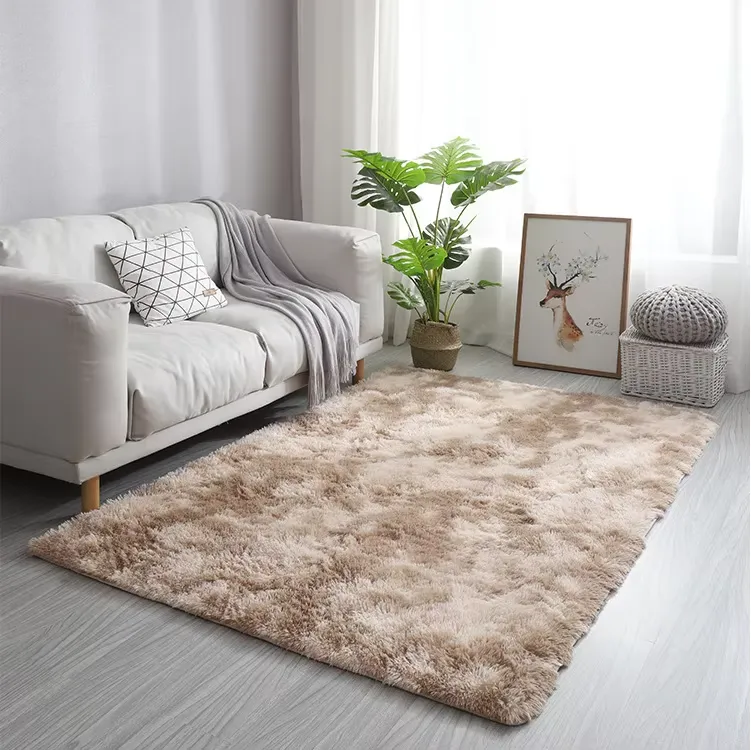
White faux fur runners are decorative textile floor coverings designed to emulate the appearance and tactile properties of animal fur, without utilizing animal products. Positioned within the broader home furnishings and textile industry, specifically the rug and carpet segment, these runners serve primarily aesthetic purposes, enhancing interior décor. Their construction relies on synthetic fibers bonded to a backing material, offering a cost-effective and ethically sourced alternative to genuine fur. Core performance characteristics include pile height, density, fiber composition, durability against abrasion and compression, colorfastness, and cleanability. The industry currently faces challenges surrounding sustainable material sourcing, consistent quality control, and minimizing microfiber shedding during use and laundering. The global market is driven by consumer demand for affordable luxury and increasing awareness of animal welfare concerns.
Material Science & Manufacturing
The primary raw material for white faux fur runners is typically polyester, though acrylic and polypropylene are also employed. Polyester offers a good balance of cost, durability, and dyeability. The fiber itself is produced via the polymerization of ethylene glycol and terephthalic acid. Manufacturing begins with the extrusion of these synthetic fibers, determining the denier (fiber thickness) which directly influences the softness and pile density. The fibers are then cut to a specific length, typically ranging from 25mm to 50mm for faux fur applications. The core manufacturing process involves tufting or weaving. Tufting involves inserting the cut fibers into a primary backing material – commonly polypropylene or jute – using needles. Weaving interlaces the fibers to create a more robust structure, though it is less common due to higher production costs. Following tufting or weaving, a layer of adhesive latex is applied to secure the fibers. A secondary backing, often felt or rubber, is then laminated to the primary backing to provide dimensional stability, cushioning, and slip resistance. Critical parameters during manufacturing include fiber density (fibers per square inch), pile height consistency, adhesive application uniformity, and backing material tensile strength. Color is achieved through dyeing the fibers before tufting/weaving or applying a surface dye after completion. Dyeing requires precise temperature and chemical control to ensure colorfastness and prevent fiber damage. Quality control focuses on pile uniformity, fiber shedding, and dimensional stability.
Performance & Engineering
The performance of a white faux fur runner is dictated by several engineering considerations. Abrasion resistance is paramount, as runners are subjected to foot traffic. This is quantified using the Taber Abrasion test (ASTM D4966), measuring weight loss after a specified number of abrasive cycles. Compression set, the permanent deformation after sustained loading, is critical for maintaining pile loft and aesthetic appeal. This is assessed via ASTM D3654. Environmental resistance is another crucial factor. Exposure to UV radiation can cause color fading and fiber degradation; testing is conducted per ISO 105-B02. Moisture absorption impacts both weight and potential for mildew growth, assessed by AATCC 183. Fire retardancy is a major safety concern. Faux fur runners must meet flammability standards, such as those specified in California Technical Bulletin 117. Force analysis determines the load-bearing capacity and resilience of the pile. The runner’s backing material contributes significantly to its slip resistance, measured using ASTM D2047. Furthermore, the overall structural integrity requires evaluation of tensile strength (ASTM D4157) and tear resistance (ASTM D624) of both the fiber and backing materials. Compliance with VOC emission standards (e.g., CARB Section 93120.2) ensures indoor air quality. The selection of adhesives and backing materials must be compatible with the chosen synthetic fibers to prevent delamination and ensure long-term performance.
Technical Specifications
| Parameter | Unit | Standard Specification | Typical Value (High-End Runner) |
|---|---|---|---|
| Pile Height | mm | 25-50 | 40 |
| Fiber Density | fibers/in² | 800-1500 | 1200 |
| Fiber Composition | - | 100% Polyester | 100% Polyester (Microfiber) |
| Backing Material | - | Polypropylene/Jute | Non-Woven Polyester with Rubber Anti-Slip |
| Abrasion Resistance (Taber Abrasion) | Weight Loss (g) | ≤ 0.5 after 500 cycles | ≤ 0.3 after 500 cycles |
| Colorfastness to Light | Grey Scale Rating | ≥ 4 | ≥ 5 |
Failure Mode & Maintenance
White faux fur runners are susceptible to several failure modes. Fiber Shedding is common, particularly with lower-quality runners, caused by incomplete fiber anchorage or low fiber tenacity. Matting and Crushing occurs under high traffic, compressing the pile and reducing its loft. Color Fading results from prolonged UV exposure, leading to a yellowing or dulling of the white color. Delamination – separation of the pile from the backing – stems from adhesive failure due to moisture ingress or poor bonding. Microplastic Release is an emerging concern; regular use and washing can release microfibers into the environment. Staining from spills is also prevalent. Maintenance recommendations include regular vacuuming with a brush attachment to remove loose debris and prevent matting. Spot cleaning with a mild detergent and water is advised for spills. Avoid harsh chemicals or abrasive cleaners, which can damage the fibers. Professional cleaning is recommended annually. To mitigate delamination, avoid excessive moisture exposure. Rotate the runner periodically to distribute wear evenly. Prevent prolonged direct sunlight exposure to minimize color fading. Consider using a rug pad to provide cushioning and further protect the backing. For microfiber release, using a washing machine bag designed to capture microplastics can help reduce environmental impact.
Industry FAQ
Q: What is the primary difference between a high-quality and a low-quality faux fur runner in terms of durability?
A: The primary difference lies in the fiber quality and backing construction. High-quality runners utilize higher-denier polyester fibers with improved tenacity and abrasion resistance. The backing material is typically a more robust combination of multiple layers, including a durable non-woven polyester and a high-grip rubber layer. Low-quality runners often employ lower-denier fibers prone to shedding and a simpler, less durable backing which leads to faster delamination and compression set.
Q: How does the manufacturing process impact the potential for microfiber shedding?
A: The manufacturing process significantly impacts shedding. Proper fiber cutting and secure tufting/weaving techniques minimize loose fibers. The quality of the adhesive used to bond the fibers to the backing is also critical. Insufficient adhesive application or use of a low-quality adhesive increases the likelihood of fiber release during use and laundering.
Q: What specific tests are most important for assessing the fire safety of a faux fur runner?
A: California Technical Bulletin 117 is a crucial test for assessing flammability. It evaluates the ignitability and burning characteristics of the runner. Additionally, testing for smoke development and toxicity is important for ensuring overall fire safety. Meeting these standards is often a regulatory requirement for sale in certain markets.
Q: What are the limitations of using polyester fibers in faux fur runners, and are there alternatives?
A: Polyester, while cost-effective, is susceptible to UV degradation and can contribute to microfiber pollution. Acrylic is an alternative offering improved UV resistance but lower durability. Polypropylene is another option, known for its stain resistance but can be less soft. Research is ongoing into bio-based synthetic fibers as more sustainable alternatives, though these are currently more expensive.
Q: How does the pile height affect the performance and aesthetic qualities of the runner?
A: Pile height directly impacts the perceived softness and luxuriousness. Higher pile heights (e.g., 50mm) provide a more plush feel but are more prone to matting and require more frequent maintenance. Lower pile heights (e.g., 25mm) are more durable and easier to clean but offer less visual depth. The optimal pile height depends on the intended use and desired aesthetic.
Conclusion
White faux fur runners represent a versatile and ethically conscious flooring solution, offering aesthetic appeal and comfort at a relatively low cost. Their performance, however, is fundamentally tied to the quality of materials and precision of the manufacturing process. Key considerations for ensuring longevity and minimizing environmental impact include selecting runners with high-tenacity fibers, robust backing constructions, and adhering to proper maintenance protocols.
Future development within this sector will likely focus on incorporating sustainable materials, reducing microfiber shedding through advanced fiber bonding technologies, and enhancing fire safety characteristics. Continued research into bio-based synthetic alternatives promises to further improve the environmental profile of these popular home furnishings. Understanding these technical nuances is crucial for procurement professionals and consumers alike.