

white faux sheepskin area rug Technical Analysis
Introduction
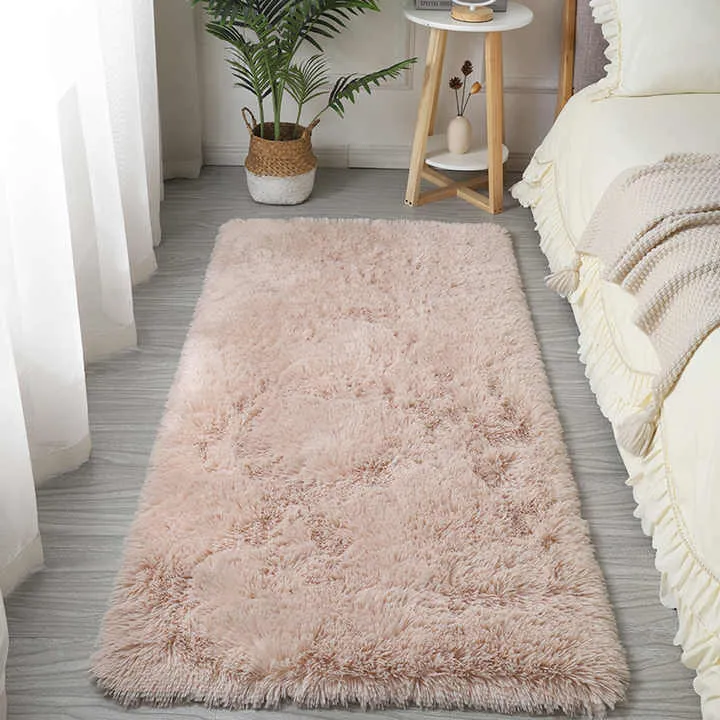
White faux sheepskin area rugs represent a significant development in the floor covering industry, positioned as a synthetic alternative to genuine sheepskin. These rugs offer aesthetic appeal, perceived comfort, and a degree of practicality absent in their natural counterpart. Technically, they fall within the category of pile textiles, specifically utilizing synthetic fiber constructions designed to mimic the appearance and tactile properties of natural wool. Core performance characteristics center around durability, stain resistance, and ease of maintenance, addressing key consumer pain points associated with traditional sheepskin, such as cleaning difficulty and animal welfare concerns. The manufacturing process leverages advancements in polymer chemistry and textile engineering to create a product that is both cost-effective and widely accessible. This guide provides an in-depth technical analysis of white faux sheepskin area rugs, covering material science, manufacturing processes, performance characteristics, potential failure modes, and relevant industry standards.
Material Science & Manufacturing
The primary material underpinning white faux sheepskin area rugs is typically a synthetic polymer, most commonly polypropylene (PP) or polyester (PET). Polypropylene is favored for its inherent stain resistance, low moisture absorption, and cost-effectiveness, making it suitable for high-traffic areas. Polyester, while offering superior softness and dyeability, typically exhibits lower resistance to abrasion and oil-based stains. The fibers themselves are produced through melt extrusion, where polymer pellets are heated and forced through spinnerets to create continuous filaments. These filaments are then crimped to provide bulk and texture. The pile height, density, and fiber type directly influence the rug’s comfort and aesthetic qualities. The backing material is usually comprised of jute, polypropylene, or a combination thereof, providing structural support and preventing slippage. Manufacturing involves several key steps: fiber production, tufting (where fibers are inserted into the backing material using needles), adhesive application (to secure the fibers), secondary backing application (often a latex or rubber layer for added stability), shearing (to achieve a uniform pile height), and finally, dyeing and finishing treatments. Parameter control during tufting – particularly gauge, loops per inch (LPI), and pile insertion depth – is critical for achieving the desired density and durability. Dyeing typically employs solution dyeing (adding pigment to the polymer before extrusion) for superior colorfastness, or piece dyeing (dyeing the finished rug), which can be less durable but allows for greater design flexibility.
Performance & Engineering
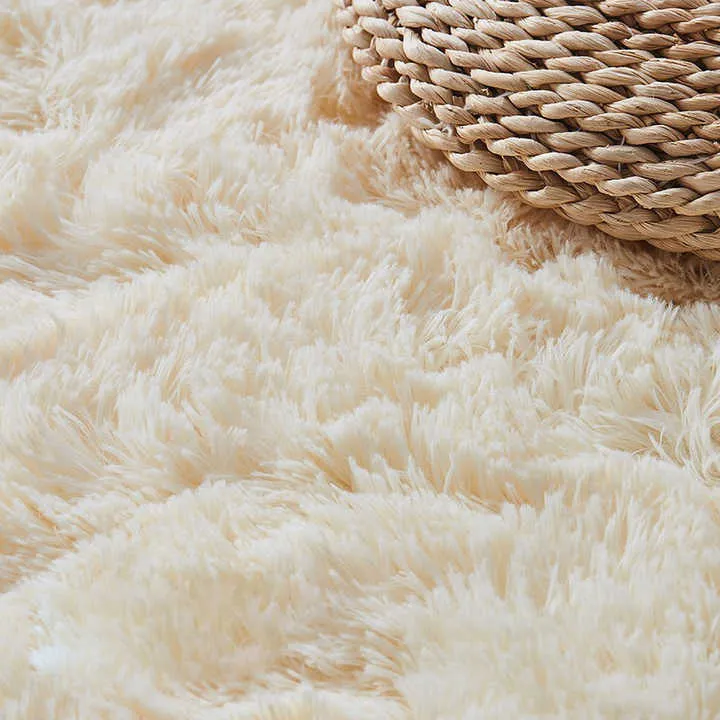
The performance of a white faux sheepskin area rug is dictated by several factors, including fiber tensile strength, pile density, and backing stability. Tensile strength, measured in MPa, determines the rug’s resistance to tearing and abrasion. Higher pile density (fibers per square inch) contributes to a more luxurious feel and increased durability. The backing material provides crucial structural support, resisting delamination and deformation under load. Force analysis reveals that the primary stress experienced by the rug is compressive force from foot traffic, and tensile force from potential snagging or pulling. Environmental resistance is a key consideration. Polypropylene offers good resistance to UV degradation and moisture, but prolonged exposure to direct sunlight can still lead to fading. Polyester is more susceptible to UV damage. Flammability is addressed through the application of flame retardant treatments, typically compliant with standards like California Proposition 65. Compliance requirements also include VOC emission testing (Volatile Organic Compounds) to ensure air quality. The overall functional implementation is centered around providing thermal insulation, acoustic dampening, and a soft, comfortable surface. The white color presents a unique challenge: it’s highly visible to staining and requires more frequent cleaning compared to darker shades. Static electricity buildup can also be a concern, particularly in dry climates, and is often mitigated by incorporating anti-static fibers into the pile construction.
Technical Specifications
| Parameter | Polypropylene (PP) | Polyester (PET) | Jute (Backing) |
|---|---|---|---|
| Fiber Denier (grams/9000 meters) | 300-600 | 75-300 | N/A |
| Pile Height (mm) | 20-60 | 20-60 | N/A |
| Pile Density (fibers/inch²) | 800-1500 | 1000-1800 | N/A |
| Tensile Strength (MPa) | 40-70 | 30-60 | 20-40 |
| Water Absorption (%) | 0.1-0.5 | 0.4-0.8 | 10-15 |
| UV Resistance (Rating 1-5, 5=Excellent) | 4 | 3 | 2 |
Failure Mode & Maintenance
Common failure modes in white faux sheepskin area rugs include fiber shedding, matting (loss of pile resilience), delamination (separation of the pile from the backing), staining, and UV degradation. Fiber shedding occurs primarily during initial use as loose fibers break away from the pile. Matting results from repeated compression and abrasion, causing the fibers to flatten and lose their springiness. Delamination is often caused by inadequate adhesive application or exposure to excessive moisture. Staining, particularly from oil-based substances, is a significant issue with polyester fibers. UV degradation manifests as fading and embrittlement of the fibers. Oxidation can occur over extended periods, particularly with polypropylene, leading to discoloration and reduced flexibility. Maintenance is critical for extending the rug’s lifespan. Regular vacuuming (using a suction-only nozzle) removes dirt and debris that can contribute to abrasion. Spot cleaning should be performed immediately with a mild detergent and water. Avoid harsh chemicals and excessive moisture. For deeper cleaning, professional rug cleaning is recommended. Preventative measures include rotating the rug to distribute wear evenly and using rug pads to provide cushioning and prevent slippage. Addressing spills promptly and employing stain-resistant treatments can significantly mitigate staining issues. Careful consideration of placement – avoiding direct sunlight – can minimize UV degradation.
Industry FAQ
Q: What is the difference between polypropylene and polyester faux sheepskin, and which is better for high-traffic areas?
A: Polypropylene generally outperforms polyester in high-traffic areas due to its superior stain resistance and abrasion resistance. While polyester offers a softer feel, it’s more prone to staining, particularly from oils, and may exhibit faster wear in heavily used spaces. Polypropylene’s inherent resilience and lower cost make it a more practical choice for areas with frequent foot traffic.
Q: How does the backing material affect the overall durability and performance of the rug?
A: The backing material provides crucial structural integrity. Jute is a natural fiber offering good stability but is susceptible to moisture damage. Polypropylene backings are more moisture-resistant and durable, while a combination of jute and polypropylene offers a balance of stability and cost-effectiveness. A robust backing prevents delamination and maintains the rug’s shape and form.
Q: What are the key considerations when selecting a faux sheepskin rug for a home with pets?
A: For homes with pets, polypropylene is the preferred fiber due to its superior stain resistance and resistance to pet hair clinging to the fibers. Look for rugs with a tightly woven pile to minimize snagging from claws. Regular vacuuming and prompt stain removal are essential. Consider a rug pad to provide additional cushioning and prevent the rug from shifting.
Q: How can I prevent matting and maintain the plushness of the rug over time?
A: Rotate the rug regularly to distribute wear evenly. Vacuum frequently with a suction-only nozzle to remove dirt and debris that contribute to abrasion. Avoid placing heavy furniture directly on the rug for extended periods. Using a rug pad can provide cushioning and help maintain pile resilience. Periodic professional cleaning can also restore plushness.
Q: What certifications or standards should I look for to ensure the rug meets safety and environmental requirements?
A: Look for certifications such as Oeko-Tex Standard 100, which ensures the rug is free from harmful substances. Compliance with California Proposition 65 regarding VOC emissions is also important for indoor air quality. Consider rugs manufactured under ISO 9001 quality management systems for consistent quality control.
Conclusion
White faux sheepskin area rugs represent a sophisticated synthesis of material science and textile engineering, providing a viable and aesthetically pleasing alternative to natural sheepskin. Their performance characteristics, notably durability, stain resistance, and ease of maintenance, address critical consumer pain points. Understanding the nuances of fiber selection (polypropylene vs. polyester), backing materials, and manufacturing processes is paramount for selecting a rug that meets specific application requirements.
Future developments in faux sheepskin rug technology are likely to focus on enhancing fiber performance, improving stain resistance, and incorporating sustainable materials. Continued research into bio-based polymers and advanced textile finishes will further refine the product’s environmental profile and enhance its overall value proposition. The long-term success of these rugs will depend on ongoing innovation and a commitment to quality control throughout the entire supply chain.