


white fluffy rug circle Performance Analysis
Introduction
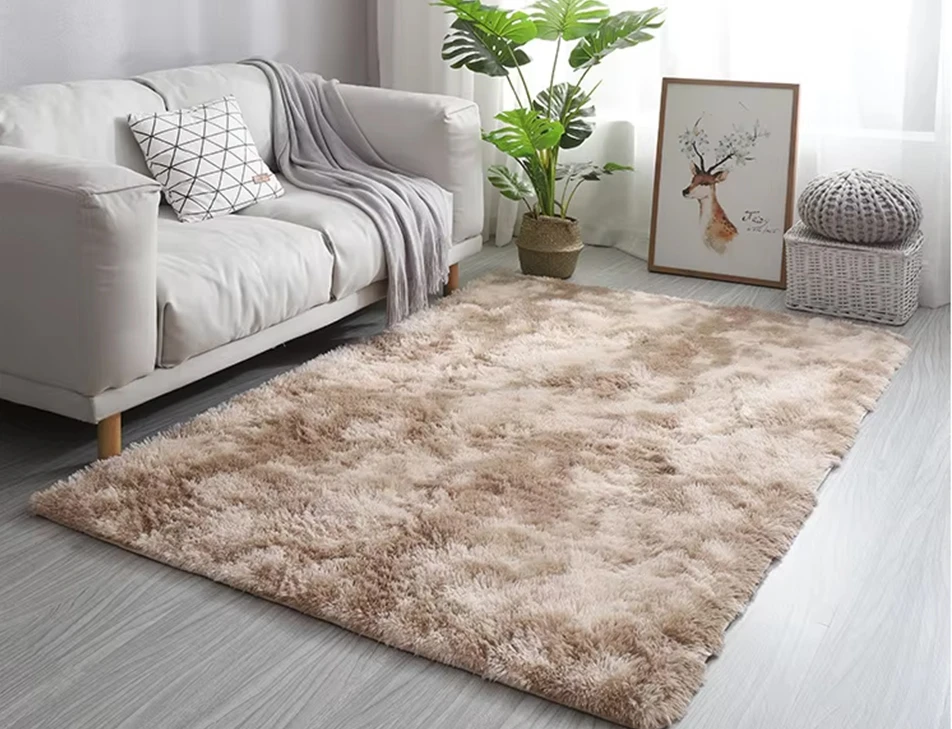
The white fluffy rug circle is a textile floor covering characterized by a circular form and a high pile height designed to provide a soft, comfortable surface. Positioned within the broader home furnishings industry, specifically the rug and carpet sector, it represents a significant component of interior design focusing on aesthetics and tactile comfort. Its core performance characteristics are defined by its pile density, fiber composition, backing material, and dimensional stability. These factors influence its durability, resilience, and overall perceived value. The rising demand for home comfort and aesthetic enhancements drives the market for this product, necessitating a thorough understanding of its material science, manufacturing processes, and performance parameters. A critical pain point in the industry revolves around ensuring consistent pile height and fiber shedding minimization, impacting both customer satisfaction and manufacturing efficiency. Concerns around material sourcing, particularly regarding synthetic fiber origins and sustainability, are also increasing. Finally, ensuring colorfastness and resistance to common household stains is paramount for long-term usability.
Material Science & Manufacturing
The predominant raw material for white fluffy rugs is typically polypropylene (PP) or polyester (PET) due to their cost-effectiveness, stain resistance, and ability to create a soft texture. Polypropylene offers inherent resilience and is hydrophobic, making it suitable for high-traffic areas. Polyester provides superior color retention and a slightly softer hand feel. The backing material commonly consists of felt polyester or jute, providing structural integrity and preventing slippage. Manufacturing begins with fiber extrusion, where polymer pellets are melted and forced through spinnerets to form continuous filaments. These filaments are then crimped to enhance bulk and texture. The crimped fibers undergo a cutting process to achieve the desired pile height, typically ranging from 20mm to 50mm. The cut fibers are then tufted into the primary backing material using specialized tufting machines. Tufting density, measured in stitches per inch (SPI), is a critical parameter controlling pile density and durability. Following tufting, a latex adhesive is applied to secure the fibers. A secondary backing is then laminated to the primary backing, providing additional stability and cushioning. Quality control measures throughout the process include monitoring fiber denier (thickness), tensile strength of the backing materials, and latex adhesive viscosity. Key parameter control includes maintaining consistent fiber cut length, accurate tufting needle alignment, and uniform latex application. Variations in these parameters can lead to pile inconsistencies, fiber shedding, and reduced structural integrity.
Performance & Engineering
The performance of a white fluffy rug circle is critically dependent on its ability to withstand compressive forces, maintain its shape, and resist wear and tear. Force analysis focuses on the pile’s resilience – its ability to recover after being compressed – and the backing’s tensile strength. The pile height directly correlates with the rug's perceived softness, but also influences its susceptibility to matting. Environmental resistance is crucial, specifically resistance to UV degradation, which can cause color fading, and moisture absorption, which can lead to mildew growth. Colorfastness is typically assessed using the Grey Scale rating system (ISO 105-B02). Compliance requirements vary by region. In the US, the flammability of the rug must meet standards set by the Consumer Product Safety Commission (CPSC). In Europe, EN 13501-1 defines fire classification for floor coverings. Functional implementation includes considering the rug’s intended use – whether it’s for a low-traffic bedroom or a high-traffic living room. This dictates the required pile density, backing material, and fiber type. Slip resistance is another important engineering consideration, particularly for rugs placed on hard surfaces. This is often achieved through the use of a non-slip backing or the application of a latex coating. The weight per unit area (grams per square meter, gsm) is a critical specification, influencing both the rug’s durability and its feel. Proper engineering design ensures the rug can withstand repeated foot traffic and maintain its aesthetic appeal over time.
Technical Specifications
| Parameter | Units | Typical Value (Low-End) | Typical Value (High-End) |
|---|---|---|---|
| Pile Height | mm | 20 | 50 |
| Pile Density | stitches/inch² | 150 | 400 |
| Fiber Type | - | Polypropylene (PP) | Polyester (PET) |
| Backing Material | - | Polyester Felt | Jute |
| Weight (gsm) | g/m² | 800 | 1500 |
| Colorfastness (Grey Scale) | - | 4 | 5 |
Failure Mode & Maintenance
Common failure modes for white fluffy rugs include fiber shedding, pile matting, color fading, and stain penetration. Fiber shedding occurs due to loose fibers not adequately secured during the tufting process or from mechanical abrasion during use. Pile matting results from the crushing of fibers under sustained pressure, reducing their resilience. Color fading is typically caused by prolonged exposure to UV radiation, particularly from sunlight. Stain penetration occurs when liquids are not promptly absorbed, allowing them to bind to the fibers. Fatigue cracking of the backing material can also occur under repeated stress. Oxidation of polypropylene fibers can lead to brittleness and discoloration over extended periods. Professional maintenance involves regular vacuuming with a suction-only vacuum cleaner to remove loose debris. Spot cleaning should be performed immediately with a mild detergent and water solution. Avoid using harsh chemicals or abrasive cleaners. For deep cleaning, professional rug cleaning services are recommended. Periodic rotation of the rug can help distribute wear evenly. To prevent UV degradation, minimize direct sunlight exposure. Addressing spills promptly is crucial to prevent staining. Repairing minor tears in the backing material can extend the rug’s lifespan. Replacing severely damaged rugs is often more cost-effective than attempting extensive repairs.
Industry FAQ
Q: What is the impact of fiber denier on the rug’s softness and durability?
A: Lower denier fibers (finer fibers) generally result in a softer hand feel, but they are also more susceptible to wear and tear. Higher denier fibers offer greater durability but may feel slightly coarser. Finding the optimal balance depends on the rug's intended use and price point. For high-traffic areas, a slightly higher denier is preferable, while for low-traffic areas, softness can be prioritized.
Q: How does the latex adhesive contribute to the rug’s longevity?
A: The latex adhesive is critical for securing the fibers to the backing, preventing shedding and maintaining pile integrity. The type and quality of latex used significantly impact its adhesive strength and resistance to degradation. Higher-quality latex adhesives are more resistant to aging and maintain their flexibility over time, ensuring long-term fiber retention.
Q: What are the environmental considerations regarding polypropylene versus polyester fibers?
A: Polypropylene is derived from petroleum, a non-renewable resource, and is not readily biodegradable. Polyester can be manufactured from recycled materials (rPET), offering a more sustainable option. However, both fibers contribute to microplastic pollution during washing. Choosing rugs made from recycled polyester and employing proper washing techniques (e.g., using laundry bags) can mitigate these impacts.
Q: What is the significance of the rug’s weight (gsm) in relation to its performance?
A: The gsm (grams per square meter) directly correlates with the rug’s density and durability. A higher gsm indicates a thicker, more substantial rug that can withstand more wear and tear. Lower gsm rugs are typically less expensive but also less durable and may require more frequent replacement.
Q: How can colorfastness be improved in white fluffy rugs, given their susceptibility to staining?
A: Utilizing solution-dyed fibers significantly enhances colorfastness, as the color is incorporated into the fiber itself rather than applied to the surface. Pre-treating the rug with a stain-resistant finish can also improve its ability to repel liquids and prevent staining. Selecting high-quality dyes and employing proper dyeing techniques are essential for achieving optimal colorfastness.
Conclusion
The white fluffy rug circle, while seemingly simple, is a product of complex material science and manufacturing processes. Its performance hinges on the careful selection of fibers, backing materials, and adhesives, coupled with rigorous quality control throughout production. The key performance parameters – pile height, density, weight, and colorfastness – directly impact its durability, comfort, and aesthetic appeal. Addressing industry pain points related to fiber shedding, UV degradation, and stain resistance requires continuous innovation in fiber technology and manufacturing techniques.
Future developments may focus on utilizing bio-based polymers to create more sustainable rugs, incorporating anti-microbial treatments to enhance hygiene, and developing advanced tufting technologies to minimize fiber shedding. The increasing demand for customized rug designs and sizes will drive the adoption of digital printing and on-demand manufacturing processes. Ultimately, the continued success of this product category will rely on a commitment to quality, sustainability, and responsiveness to evolving consumer preferences.